Trends in Natural Ingredients for Anti-Aging Products
Shifting Paradigms in Beauty and Skincare
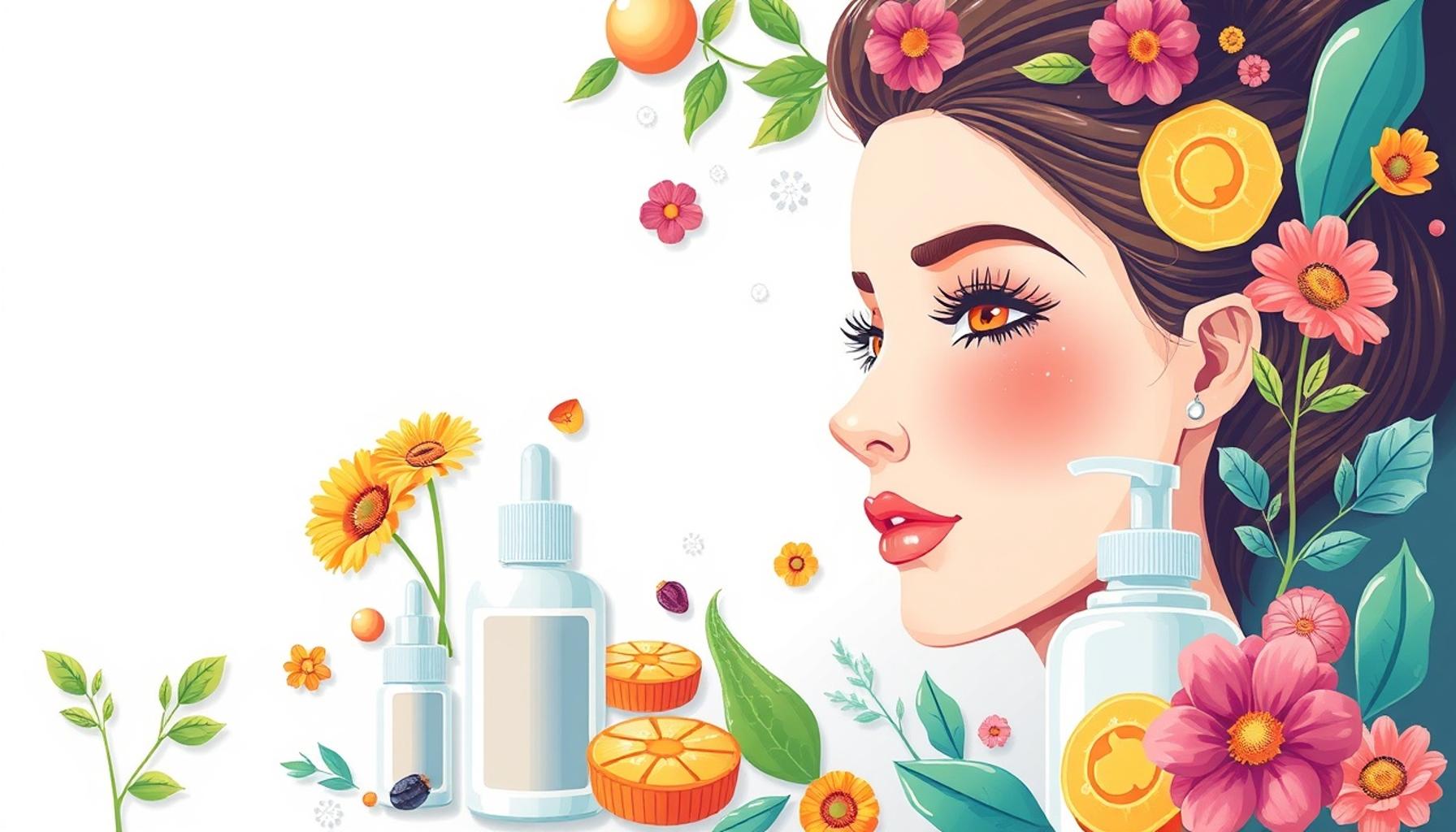
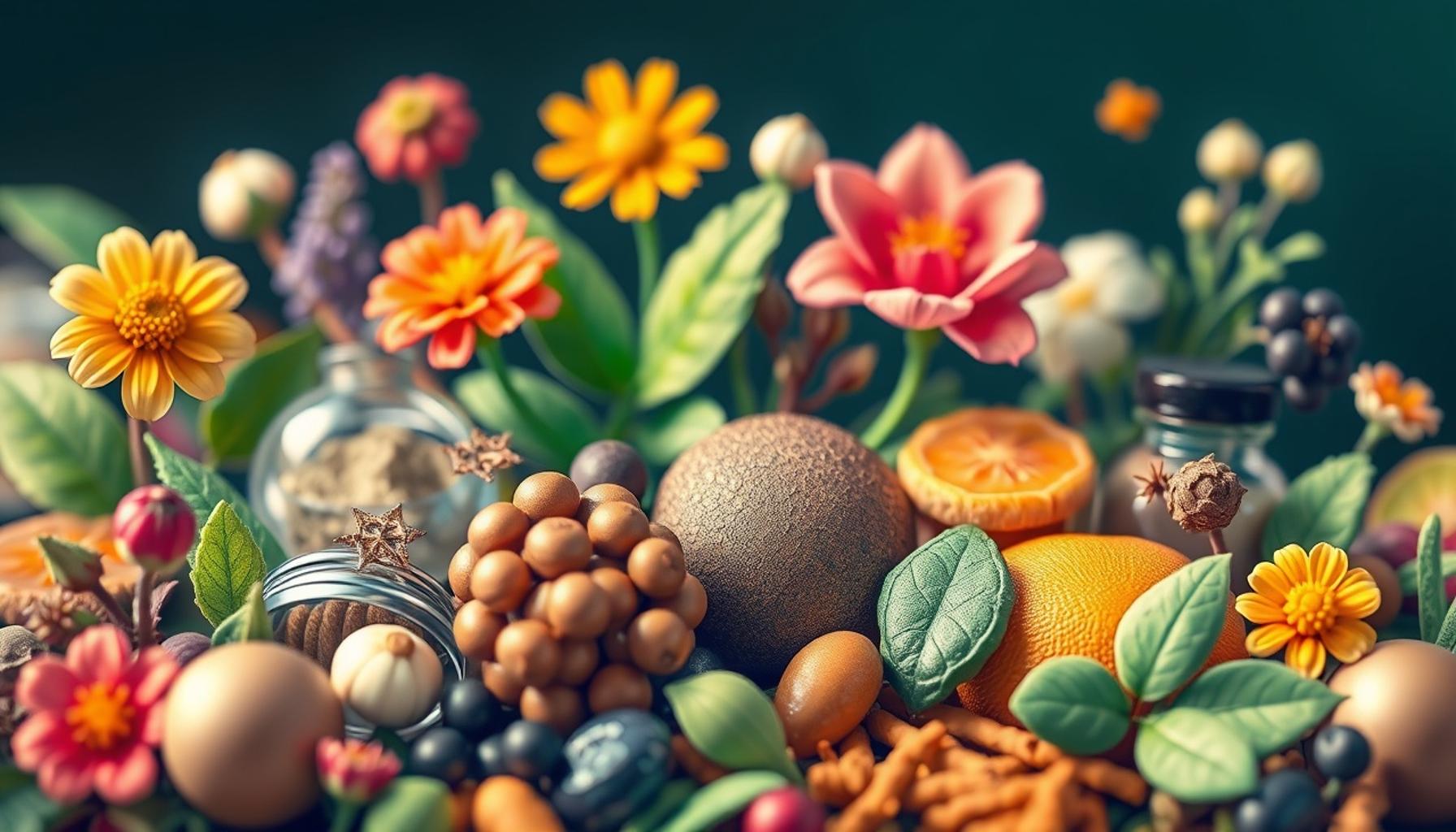
The beauty industry is experiencing a substantial metamorphosis, characterized by a marked inclination towards the incorporation of natural ingredients in anti-aging products. As consumers grow increasingly discerning about their skincare choices, brands are compelled to reevaluate their formulations. This not only reflects a response to consumer demand but also showcases a larger commitment to sustainability and holistic wellness in the pursuit of youthful skin.
Key Natural Ingredients Gaining Popularity
- Plant-based antioxidants: Ingredients such as green tea and vitamin C have stepped into the limelight for their formidable protective properties against environmental stressors. Green tea is rich in polyphenols, which act as powerful antioxidants, shielding the skin from damage caused by free radicals. Vitamin C, on the other hand, is celebrated not only for its ability to brighten the skin tone but also for its role in collagen synthesis and photoprotection.
- Botanical oils: Oils like argan oil and rosehip oil are revered for their exceptional moisturizing and nourishing benefits. Argan oil, often dubbed “liquid gold,” is packed with essential fatty acids that hydrate and repair the skin barrier, while rosehip oil is rich in vitamins A and C, facilitating skin regeneration and reducing the appearance of scars and hyperpigmentation.
- Peptides: Natural peptides derived from plants have garnered attention for their ability to stimulate collagen production naturally. These short chains of amino acids contribute significantly to skin elasticity and firmness, making them a vital ingredient in promising anti-aging formulations.
Beyond merely promising the reduction of fine lines and wrinkles, these ingredients focus on enhancing overall skin health. The increasing emphasis on clean beauty highlights a growing consumer desire for transparency in product formulations, steering away from harmful chemicals. It’s no longer about superficial aesthetics; it’s about fostering a sense of well-being and empowerment through informed choices in skincare.
Trends Influencing the Market
- Eco-friendly packaging: In a bid to minimize environmental impact, brands are exploring sustainable packaging solutions that reduce plastic use. This trend resonates particularly with younger consumers who prioritize ecological responsibility. Companies are turning to biodegradable materials and refillable containers to cultivate a more sustainable consumption cycle.
- Ethical sourcing: A growing movement emphasizes supporting local communities through the responsible sourcing of ingredients. Brands are partnering with farmers and cooperatives, ensuring that their practices not only benefit their bottom line but also support social and environmental causes.
- Personalization: The rise of customized products tailored to individual skin types and concerns is transforming the beauty landscape. This trend allows consumers to engage more deeply with their skincare regimens, leading to enhanced satisfaction and efficacy.
As the demand for natural anti-aging solutions escalates, consumers are invited to immerse themselves in this captivating realm of organic innovation. Understanding these trends not only aids individuals in making choices that resonate with their values but also equips them with the knowledge to pursue their beauty goals effectively. The evolving landscape of anti-aging is as much about inner wellness and community support as it is about achieving a youthful appearance, presenting an opportunity for consumers to make a positive impact while experiencing the benefits of nature’s bounty.
DISCOVER MORE: Click here to learn about sun protection and skin aging
Exploring the Intricacies of Natural Anti-Aging Ingredients
The transformation towards natural ingredients in anti-aging products signifies more than just a fleeting trend; it marks a comprehensive shift towards comprehensive skincare solutions. Today’s consumers are increasingly seeking products that not only promise youthful appearance but also incorporate wholesome, effective ingredients drawing from the earth. As a result, brands are compelled to refine their offerings, integrating proven natural formulations that effectively counteract visible signs of aging.

The Science Behind Natural Anti-Aging Ingredients
At the core of this trend lies a plethora of natural ingredients revamping the landscape of anti-aging skincare. Each ingredient is carefully selected for its distinct properties and its ability to promote a youthful glow without synthetic additives. Here are some of the most influential ingredients making waves in the industry:
- Aloe Vera: Known for its soothing properties, aloe vera is a powerhouse of hydration. This succulent not only eases inflammation but also aids in skin healing, making it an indispensable component in anti-aging products. Its high content of vitamins and minerals helps rejuvenate the skin, promoting elasticity and minimizing signs of aging.
- Hyaluronic Acid: Although it can be derived synthetically, natural sources of hyaluronic acid, such as certain plants, are gaining traction for their moisture-retaining properties. This ingredient acts as a moisture magnet, helping hydrate skin significantly and keeping fine lines at bay. Not only does it plump the complexion, but it also supports overall skin resilience.
- Botanical Extracts: Ingredients such as ginseng extract are rich in flavonoids and phenols, contributing to their antioxidant capabilities. Ginseng helps energize tired skin and enhances cellular regeneration, making it a popular choice for combating fatigue often associated with aging.
- Coenzyme Q10: Naturally present in the human body, CoQ10 plays a critical role in cellular energy production and acts as a robust antioxidant. Supplementing your skincare with this ingredient can help reduce wrinkles and enhance skin vitality, proving beneficial for those striving for a youthful appearance.
The allure of these natural ingredients lies not only in their efficacy but also in their minimal environmental impact, aligning with the broader cultural movement towards sustainability. As consumers become more aware of the health implications tied to synthetic additives, there is a pressing demand for clean formulations that promise both efficacy and safety.
Consumer Empowerment Through Transparency
Today’s skincare consumers are not just passive recipients of beauty products; they are informed and empowered individuals who demand transparency in formulations. The rise of clean beauty is reflective of this shift. Brands are now taking responsibility, ensuring clear communication regarding ingredient sourcing, formulation processes, and product benefits. This transparency leads to greater trust, enabling consumers to make informed choices that resonate with their health and ethical considerations.
As this trend continues to unfold, it invites a deeper understanding of how natural alternatives can redefine the beauty landscape. By integrating these powerful natural ingredients into their routines, consumers are not just addressing their cosmetic concerns but also embracing a holistic approach to beauty that ultimately aligns with their values and lifestyles.
| Category | Details |
|---|---|
| Botanical Extracts | Rich in antioxidants, these extracts combat free radicals and prevent oxidative stress, which is pivotal in aging. |
| Vitamins | Vitamin E and C are renowned for their roles in skin rejuvenation, offering hydration and encouraging collagen production. |
| Peptides | Promotes skin repair, peptides signal the skin to produce more collagen, effectively reducing wrinkles and improving texture. |
| Plant Oils | Essential fatty acids found in oils like argan and jojoba provide deep hydration and improve skin barrier function. |
As consumers increasingly seek products that harness the power of nature, the integration of these natural ingredients into anti-aging formulations is becoming essential. Utilizing these components not only ensures that products are effective but also enhances their appeal in a competitive market. Consequently, brands focusing on sustainable sourcing and efficacy are more likely to resonate with the eco-conscious consumer base. This trend is paving the way for innovation, encouraging companies to explore new botanical ingredients and formulation techniques that maximize the benefits of nature’s bounty. The future of anti-aging products lies in a blend of traditional wisdom and modern science, creating a harmonious balance that addresses the complex needs of aging skin. With further research and development, we can expect to see remarkable advancements in this field that cater to the growing demand for safe and effective skincare solutions.
DISCOVER MORE: Click here to learn about the impact of skin hydration on health and aging
Pioneering Ingredients Leading the Charge
The current shift toward natural anti-aging ingredients is also being driven by the emergence of innovative technologies that enhance the efficacy of these natural products. Research and development in biochemistry and horticulture have revealed powerful anti-aging potential in previously undervalued plants and plant-derived compounds, bringing them into the spotlight.
Emerging Stars in Natural Anti-Aging
Among the various botanicals gaining prominence, several key ingredients stand out for their remarkable benefits:
- Sea Buckthorn Oil: Renowned for its rich profile of vitamins and fatty acids, sea buckthorn oil is a standout in the anti-aging arena. Its high levels of omega-7 fatty acids promote skin regeneration and elasticity, while antioxidants like vitamins A, C, and E fend off oxidative stress, making it an essential ingredient for maintaining youthful skin.
- Turmeric: With its active compound curcumin, turmeric is gaining traction for its potent anti-inflammatory and antioxidant properties. Studies have shown that curcumin can help lighten pigmentation, improve skin texture, and reduce signs of aging. Its inclusion in skincare formulas presents an opportunity to harness its benefits without synthetic additives.
- Resveratrol: This compound, mostly found in the skins of grapes, is celebrated for its ability to combat aging at a cellular level. Resveratrol can activate certain proteins in the body that are involved in longevity, thus promoting a more vibrant and youthful appearance. It’s increasingly featured in serums and creams aimed at reducing fine lines and restoring skin suppleness.
- Blue Tansy Oil: Extracted from the Moroccan blue tansy flower, this essential oil is known for its calming and soothing properties. Rich in antioxidants and anti-inflammatory compounds, blue tansy oil can help mitigate redness and irritation often associated with aging skin, making it a gentle yet effective addition to anti-aging routines.
The increasing focus on holistic health continues to shape consumer preferences, giving rise to products that not only cater to aesthetic desires but also support overall skin wellness. As individuals strive for solutions that align with their lifestyle and values, sustainably sourced ingredients become essential. A notable example is the rise of brands that source ingredients from fair-trade practices, ensuring that both the environment and the communities cultivating these resources are supported.
Personalized Skincare Regimens
The incorporation of natural ingredients into anti-aging products is also leading to a burgeoning market for personalized skincare regimens. Brands are harnessing technology to create custom formulations based on individual skin types, concerns, and environmental factors. By utilizing natural ingredients, these tailored solutions not only address specific aging concerns but also ensure that consumers are applying products that resonate with their personal beliefs about health and sustainability.
As consumers continue to embrace the benefits of natural ingredients, the anti-aging product sector is poised for evolution. Ingredients previously deemed mundane are being re-evaluated and celebrated for their capabilities. Wonder ingredients like marula oil and fermented extracts are also gaining traction, promising enhanced bioavailability and enriched benefits for the skin. This trend marks a significant shift towards a future where natural formulations dominate the landscape of beauty and personal care.
Indeed, the movement toward natural anti-aging products fosters greater awareness and education around the significance of skincare choices, empowering consumers to reconstruct their beauty routines with intention and knowledge. In the expansive and often overwhelming world of skincare, the trend of leveraging natural ingredients provides a refreshing clarity that resonates with a growing audience committed to holistic health and sustainable beauty practices.
DISCOVER MORE: Click here to learn about the benefits and trends of plant-based ingredients in skincare
Conclusion: Embracing Nature in the Fight Against Aging
The trends in natural ingredients for anti-aging products signify a pivotal transformation in the beauty and personal care industry. As consumers become increasingly educated and mindful about their skincare choices, the demand for effective and sustainable solutions has grown. Ingredients like sea buckthorn oil, turmeric, resveratrol, and blue tansy oil are not only celebrated for their potent anti-aging properties but are also paving the way for a more conscientious approach to beauty.
This inclination towards natural components reflects a shift from merely addressing superficial signs of aging to prioritizing overall skin health and wellness. The incorporation of sustainably sourced and ethically cultivated ingredients empowers consumers to make choices that align with their values, fostering a sense of connection to the products they use.
Moreover, the rise of personalized skincare regimens, driven by technological advancements, indicates that the future of anti-aging products will be more tailored and effective than ever before. By utilizing natural ingredients, brands can create bespoke solutions that effectively target unique skin concerns while reinforcing a philosophy of sustainability and well-being.
As this trend continues to evolve, consumers are invited to explore the myriad benefits of natural ingredients and reconsider their approach to aging. The journey toward youthful, radiant skin is no longer defined solely by chemical formulations but embraced through the wholesome power of nature. The ongoing exploration of these ingredients promises not only a wealth of options but also a refined understanding of beauty that prioritizes health, sustainability, and efficacy.
Related posts:
The Impacts of Nutrition on Skin Health and Aging Prevention
The Relationship Between Quality Sleep and Skin Health: How Sleeping Well Can Help with Anti-Aging
Technological Innovations in Anti-Aging Treatments: The Future of Beauty
Microneedling Techniques: How to Stimulate Collagen Production and Combat Aging
How Stress Affects the Skin and Relaxation Strategies for Healthier Aging
The Role of Sun Protection in Preventing Premature Skin Aging

Linda Carter is a writer and beauty expert specializing in skincare routines, cosmetic ingredients, and holistic self-care practices. With extensive experience helping individuals achieve healthy, radiant skin and make informed beauty choices, Linda shares her knowledge on our platform. Her goal is to empower readers with practical advice and science-backed strategies for lasting beauty and skin health.