The Psychological Benefits of Clutter Reduction in a Minimalist Lifestyle

The Transformative Power of Minimalism on Mental Well-Being
In today’s fast-paced society, distractions abound, making it challenging to maintain a clear and focused mind. This plethora of visual and emotional noise can lead to what many refer to as mental clutter. Increasingly, individuals are seeking relief from this chaos through clutter reduction, which is not merely about tidying up a space but embracing a holistic minimalist lifestyle. This approach can catalyze significant improvements in one’s mental health and overall happiness.
Exploring the multifaceted benefits of a minimalist environment reveals why this trend is resonating with a growing number of people:
- Increased Focus: Research suggests that a clean and orderly environment enhances our ability to concentrate. For instance, a study published in the Journal of Environmental Psychology found that individuals working in aesthetically pleasing, uncluttered spaces exhibited greater productivity and creativity. This can be vital for professionals juggling multiple projects or students needing to study effectively.
- Reduced Anxiety: Chaos in one’s surroundings can mirror chaos in the mind. An organized, clutter-free space often instills a sense of control and calmness, significantly alleviating feelings of stress and anxiety. This can lead to healthier emotional responses to daily challenges, as individuals feel less overwhelmed by their environment.
- Enhanced Creativity: Contrary to popular belief, simplicity can spark creativity. When distractions are minimized, the mind is free to explore new ideas. Many artists and innovators, including Steve Jobs, were known for their minimalist philosophies, suggesting that a simplified environment fosters deeper thinking and original thought.
The journey towards a minimalist lifestyle is more than just physical decluttering; it’s about understanding the psychological advantages that come along with it. By simplifying our surroundings, we may create a nurturing environment for our psychological well-being. This is particularly valuable in a country like the United States, where consumerism often leads to excess and, consequently, dissatisfaction.
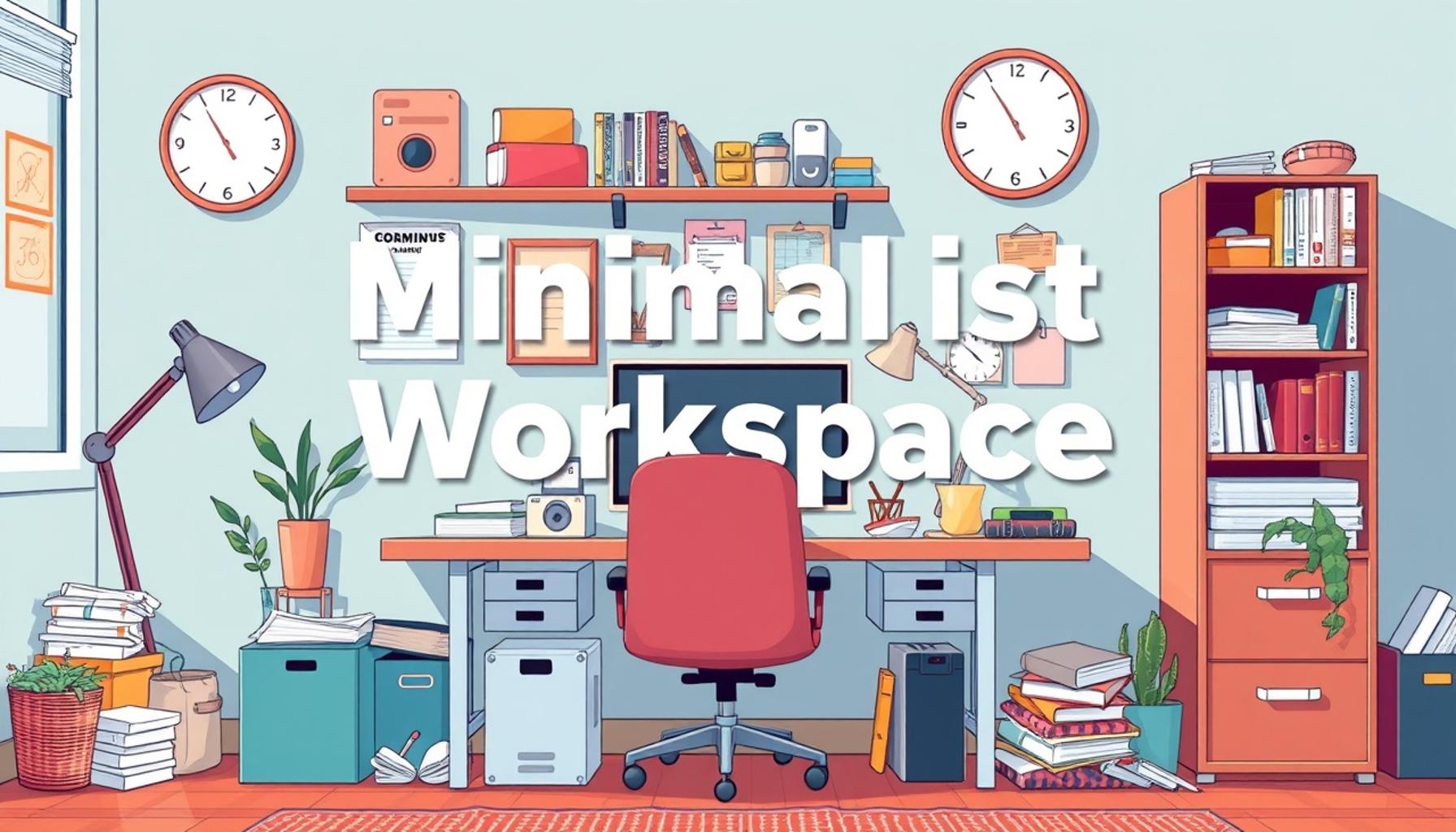
To further grasp the connections between clutter and mental wellness, one can view this journey as a roadmap toward tranquility. Implementing minimalist practices—such as decluttering your home, practicing mindful consumption, or setting boundaries on digital distractions—can yield powerful results. Even small steps, like creating a dedicated workspace free from unnecessary items, can help individuals achieve greater mental clarity and a sense of purpose.
As we continue exploring the relationship between simplicity and mental health, it’s essential to consider actionable strategies that can lead to personal transformation. For anyone feeling weighed down by their surroundings, embarking on the minimalist journey could open new pathways to tranquility and balance.
DISCOVER MORE: Click here for tips on digital simplicity
Understanding the Psychological Impact of Decluttering
As individuals dive deeper into the philosophy of minimalism, it becomes increasingly evident that clutter reduction is more than a simple act of tidying up; it’s a transformative process with profound psychological implications. According to a survey conducted by the National Association of Professional Organizers, approximately 54% of Americans feel overwhelmed by the clutter in their homes. Recognizing this sentiment is the first step towards understanding how clutter reduction can enhance mental well-being.
The psychological benefits of decluttering can be extensive and varied, impacting different aspects of one’s life. The following elements illustrate how adopting a minimalist lifestyle leads to not only a more organized space but also a more organized mind:
- Clarity and Focus: A clutter-free environment promotes mental clarity. Research has shown that individuals operating in simpler spaces are less distracted, allowing for heightened focus on essential tasks. This is particularly evident in workplaces, where employees report increased job satisfaction and improved efficiency when surrounded by minimal distractions.
- Emotional Freedom: Clutter can create feelings of guilt or regret about past spending or poor organization—emotions that contribute to overarching anxiety. Minimalism encourages letting go of physical items, which can symbolically represent releasing emotional baggage. In essence, by reducing clutter, individuals may also reduce their emotional load.
- Improved Decision-Making: The act of simplifying possessions can lead to better decision-making skills. When our surroundings are filled with myriad choices, it can lead to decision paralysis. By adopting a minimalist lifestyle, individuals simplify their choices, which may also enhance their confidence and overall decisiveness in other areas of life.
- Mindfulness and Presence: Engaging with a minimalist approach fosters a greater focus on the present moment. Mindfulness practices often emphasize clarity and simplicity, which align closely with the principles of minimalism. As individuals declutter their spaces, they are encouraged to also declutter their minds, leading to enhanced mental well-being.
By embracing these psychological benefits, many discover newfound resilience against the pressures of daily life. Reports indicate that minimalism offers a refreshing counterbalance to the consumerist culture prevalent in many parts of the United States, where the pursuit of material possessions often leaves individuals feeling unfulfilled. As people begin to declutter both their physical spaces and mental capacities, they find increased room for growth, creativity, and joy.
Adopting minimalist principles may seem daunting at first, but the journey towards a more expansive state of mind is well worth the effort. With every item removed, whether it’s physical clutter or mental baggage, the potential for a more meaningful and fulfilling existence expands. The unfolding benefits of clutter reduction resonate deeply, inviting individuals to explore practical strategies for embracing a minimalist lifestyle.
As individuals increasingly seek tranquility and mental clarity, clutter reduction within a minimalist lifestyle emerges as a powerful tool. This section delves into the profound psychological benefits that accompany a decluttered environment and how they significantly contribute to overall well-being.One major psychological advantage of clutter reduction is the enhancement of focus and productivity. When physical space is cleared, mental space also opens up, fostering a heightened sense of concentration. Numerous studies have indicated that individuals surrounded by fewer distractions tend to perform tasks more efficiently. A minimalist environment also alleviates decision fatigue; with fewer items to consider, individuals can make clearer, quicker decisions, leaving more mental energy for important tasks.Moreover, reducing clutter promotes emotional well-being. Many people experience a sense of achievement and relief as they clear out unnecessary belongings. This act can transform into a therapeutic process, allowing individuals to let go of the past and embrace the present. Many find that decluttering fosters self-discipline and control over their space, which can lead to improved self-esteem and confidence.A minimalist lifestyle also encourages mindfulness and appreciation of one’s surroundings. By simplifying their environment, individuals often find gratitude in the items they choose to keep, enhancing their emotional connection with those belongings. This intentionality can lead to a decrease in anxiety levels as people begin to feel more in control of their spaces and lives.Ultimately, the psychological benefits of clutter reduction go hand in hand with the physical act of decluttering. By adopting a minimalist approach, individuals not only cultivate a more organized space but also nurture a powerful sense of peace and clarity that transcends the physical realm. It becomes evident that a well-curated environment is integral to fostering positive mental health and overall happiness.
DISCOVER MORE: Click here for insights on mindfulness and minimalism
Exploring the Transformational Effects of a Minimalist Mindset
The journey towards minimalist living often unveils unexpected psychological advantages that extend beyond mere aesthetics. Embracing minimalism encourages individuals to cultivate connections—pertaining not only to their belongings but also to themselves and others. While much focus is placed on the physical aspects of decluttering, the psychological dimensions often prove equally significant. Below are several key psychological benefits that emerge when individuals fully commit to reducing clutter in their lives:
- Enhanced Creativity: As individuals eliminate excess and create a minimalist environment, they may find a boost in their creativity. The absence of distractions allows for innovative ideas to thrive. A study from the Journal of Environmental Psychology revealed that individuals working in organized, minimalist settings often produce more imaginative and higher-quality work. This effect is particularly relevant for artists, writers, and other creative professionals who rely on their environments to inspire their work.
- Stress Reduction: Physical clutter is often linked to increased levels of stress and anxiety. By reducing clutter, individuals can create a soothing environment, which inherently promotes relaxation. According to a survey conducted by Psychology Today, over 70% of respondents reported feeling less stressed in organized spaces. Simple practices, such as maintaining a clear workspace or minimizing non-essential items in living areas, can lead to significant decreases in day-to-day stress levels.
- Stronger Relationships: Minimalism fosters deeper connections with family and friends by advocating for experiences over things. Research indicates that relationships built on shared experiences can lead to greater satisfaction and happiness. By decluttering physical spaces, individuals not only create room for quality interactions but also cultivate a mindset that values emotional intimacy over material possession.
- Empowerment and Control: The process of decluttering can empower individuals, giving them a sense of agency over their lives. In a world often fraught with external chaos, taking the time to organize and simplify one’s living space instills a profound feeling of control. This empowered mindset extends beyond the home, influencing personal and professional decision-making positively.
- Reduction in Consumerism: Engaging with minimalism can also shift one’s perspective on consumer behavior. As individuals recognize the emotional and psychological burden that consumerism can impose, there is often a noticeable shift away from compulsive buying toward more intentional purchasing. This conscious approach to consumption fosters financial security and reduces feelings of guilt associated with overspending.
These insights collectively underscore how clutter reduction transcends the physical act of tidying up, catalyzing significant psychological shifts. The emotional rewards of minimalism are especially relevant in today’s fast-paced world—a stark contrast to the pressures and clutter stemming from increased consumer engagement. Within this context, minimalism emerges as a profound alternative, a philosophy and practice that appeals to those seeking not just organization, but a holistic enhancement of psychological well-being.
As individuals engage with these benefits, many report a life marked by clarity, fulfilment, and resilience. With practical tools and techniques readily available, the minimalist lifestyle presents a pathway not only to a more organized home but also to a clearer and more fulfilling mental landscape.
DISCOVER MORE: Click here to learn about the benefits of minimalism
Finding Clarity Through Minimalism
As we delve into the intricate relationship between clutter reduction and mental well-being, it becomes clear that embracing a minimalist lifestyle offers transformative psychological benefits. Beyond the aesthetic appeal of a tidy living space, minimalism cultivates a deeper sense of connection with ourselves and those around us. The enhanced creativity that flourishes in uncluttered environments, the stress relief reported by many, and the emphasis on meaningful relationships over material possessions demonstrate how simplification can lead to a more enriching life.
The sense of empowerment gained from managing one’s surroundings creates a ripple effect that extends into various aspects of daily living. As individuals regain control over their possessions and prioritize intentional living, they often experience shifts in their consumer behavior, moving away from compulsive purchasing toward mindful consumption. This conscious approach not only reduces anxiety but also fosters a lasting sense of financial security.
In conclusion, the psychological benefits of clutter reduction resonate profoundly in our fast-paced, consumer-driven society. By adopting a minimalist mindset, we unlock paths toward clarity, fulfillment, and enhanced resilience. For those feeling overwhelmed by the chaos of modern life, minimalism offers not just a method of organizing the physical space but also a revolutionary way to cultivate mental peace. As you consider the advantages outlined, you may be inspired to explore how decluttering can redefine your relationship with your environment and ultimately lead to a more mindful and satisfying existence.