The Power of Positive Reinforcement in Building Growth Mindset in Kids

Understanding the significance of positive reinforcement is crucial in developing a child’s ability to embrace challenges and learn from failures. By fostering a growth mindset, children begin to perceive obstacles as opportunities for growth, essential for their personal and academic success. This article delves into the vital role that encouragement plays in cultivating a resilient and adaptive mindset.
Recent studies have shown that children who experience systematic recognition of their efforts are more likely to develop traits such as perseverance and problem-solving skills. Implementing effective positive reinforcement techniques can dramatically shift how kids approach learning and challenges. In this context, we will explore the top strategies that parents and educators can adopt to reinforce these valuable traits.
As we progress, you will uncover the Top 5 techniques that effectively integrate positive reinforcement into daily routines. Each method will provide practical insights to help children not only succeed but also thrive in their academic and emotional journeys. Prepare to enhance your knowledge and discover transformative practices that can make a significant impact on the mindset development of young learners.
The Importance of Positive Reinforcement in Developing a Growth Mindset in Children
Understanding the significant impact of a growth mindset in children has become a focal point for educators, parents, and psychologists alike. This mindset, which encourages the belief that abilities and intelligence can be developed through dedication and hard work, stands in contrast to a fixed mindset, which sees these traits as static and unchangeable. One effective approach to nurturing this adaptive mindset is positive reinforcement. This practice not only shapes a child’s mental resiliency but also bolsters their inclination to embrace challenges and learn from failures. In this comprehensive exploration, we delve into the top five aspects of positive reinforcement that contribute to building a growth mindset in children, ranked from five to one, highlighting why each element is essential in their developmental journey.
5. Create a Positive Learning Environment
Establishing a supportive and positive learning environment is crucial for nurturing a growth mindset in children. This setting provides the backdrop against which children feel safe to explore new skills, make mistakes, and ultimately, learn. When educators and parents employ positive reinforcement, they create a space where children are encouraged to take risks without the fear of judgment, leading to enhanced creativity and problem-solving abilities. This environment acts like fertile soil in which the seeds of curiosity and perseverance are planted and nurtured.
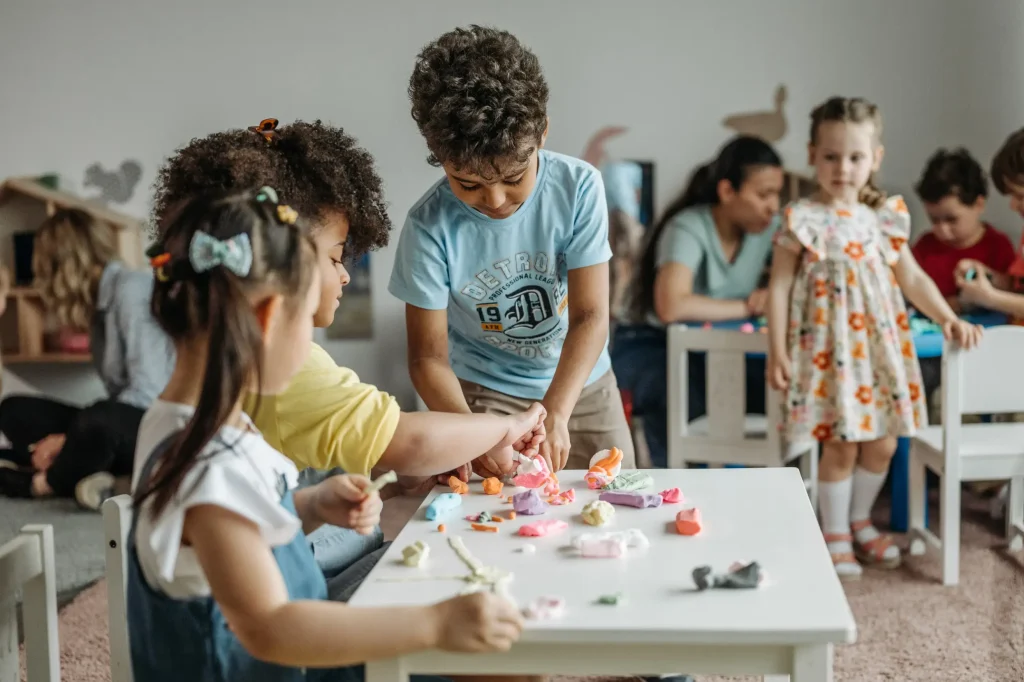
A positive learning environment can be achieved through several strategies:
- Encouragement: Regularly laud children for their efforts, not just the outcomes. This recognition creates a psychological grounding where children understand that their efforts matter more than the results, which encourages them to try, fail, and try again.
- Supportive Language: Use language that promotes growth, such as “You’re getting better at this!” Such language shifts the focus from current abilities to the potential for improvement, which is integral to the growth mindset.
- Inclusive Activities: Engage children in collaborative tasks that celebrate individual strengths. Creating opportunities for children to work together not only teaches cooperation but also allows them to recognize the diverse skills they and their peers bring to the table.
4. Develop Resilience through Feedback
Feedback is a powerful tool in shaping how children perceive their abilities and performances. Positive reinforcement helps children understand that feedback is not a reflection of their intelligence but rather a valuable insight for growth. By providing constructive and encouraging feedback, children are more likely to engage in self-reflection and understand that their efforts lead to improvement. Resilience is built when children view feedback as an ally on their journey of learning rather than a judgment of their worth.
Key components to effective feedback include:
- Specificity: Clearly articulate what was done well and where improvements can be made. This specificity helps children know exactly where to focus their energy for growth and improvement.
- Frequency: Offer feedback regularly to build an ongoing dialogue about learning. When children receive consistent feedback, they start seeing it as a normal part of the learning process and not sporadic scrutiny of their abilities.
- Actionable Insights: Guide children on explicit steps they can take to enhance their skills. Providing them with a roadmap for improvement makes abstract concepts concrete, thereby enhancing their capability to act on the feedback received.
3. Foster a Love for Learning
When students are praised for their curiosity and desire to learn rather than solely for their achievements, they cultivate a genuine love for learning. This shift in focus—away from performance and toward the process of learning itself—lays the foundation for a growth mindset. It transforms the narrative from “I failed” to “I learned something new.” Curiosity thrives when it is constantly met with encouragement, becoming a lifelong pursuit rather than an obligation.
To inspire a love of learning, consider these actions:
- Encourage Questions: Allow children to express their curiosity freely and reward them for seeking answers. Encourage them to ask “why?” and “how?” as much as possible to deepen their understanding and foster inquisitiveness.
- Celebrate Progress: Recognize incremental improvements, no matter how small. Celebrating these “micro-successes” reinforces the idea that every step forward is part of a larger journey.
- Model Lifelong Learning: Demonstrate your enthusiasm for learning new things as a role model. When children see adults in their lives constantly learning and valuing education, it sets a powerful example for them to emulate.
2. Strengthen Motivation and Engagement
Positive reinforcement ignites motivation and fosters engagement in various learning activities. By celebrating successes—no matter how trivial—children feel valued and are more inclined to participate actively in their own education. When they associate learning with positive experiences, it encourages persistence even in the face of challenges. This perpetual cycle of motivation and achievement lays a robust foundation for lifelong learning.
Strategies to enhance motivation include:
- Recognizing Effort: Emphasize effort rather than just the outcome in all tasks. This approach builds resilience, as children come to understand that sustained effort will ultimately lead to success.
- Variety in Learning: Introduce different learning activities to keep children engaged. A diverse curriculum keeps learners interested, which naturally elevates their desire to engage with the material.
- Setting Personal Goals: Help children set achievable personal goals and celebrate when they meet them. Realistic goals that are met through effort increase self-esteem and accountability, crucial components of personal growth.
1. Inspire a Growth-Oriented Perspective
At the pinnacle of building a growth mindset through positive reinforcement lies the ability to cultivate a growth-oriented perspective in children. This means teaching them that intelligence and abilities can be developed over time with dedication and hard work. When children are reinforced positively, they begin to view challenges as opportunities rather than obstacles, leading to increased resilience and perseverance. A growth-oriented perspective empowers children to tackle difficulties head-on and emerge more competent and confident.
To inspire a growth-oriented perspective, parents and educators can:
- Share Growth Stories: Introduce stories of famous personalities who overcame failures to succeed. By learning about such journeys, children see the practical application of perseverance and adaptability.
- Challenge the Fixed Mindset: Discuss and debunk myths around innate intelligence. Conversations around the malleability of the brain and the improve-ability of skills help dismantle the fear of failure and cultivate courage.
- Promote Self-Reflection: Encourage children to reflect on their learning experiences to understand their personal growth and the steps needed for future success. Self-reflection aids in internalizing learning and creating actionable roadmaps for progress.
In conclusion, positive reinforcement is a cornerstone in nurturing a growth mindset in children. It transforms learning into an exciting journey of discovery rather than a tedious task of ticking boxes. Children who grow up with the understanding that their abilities can be honed through effort and persistence are more likely to achieve their full potential. Through the strategic application of positive reinforcement, we equip the next generation with the fortitude to dream big, learn ceaselessly, and overcome the inevitable challenges they encounter.
| Category | Importance |
|---|---|
| Intrinsic Motivation | Children rewarded with positive reinforcement are more likely to develop intrinsic motivation, recognizing their abilities and valuing effort over outcome. |
| Resilience Building | Through consistent positive feedback, children learn to embrace challenges, fostering a resilience that encourages persistence in facing difficulties. |
| Social Skills Enhancement | Positive reinforcement not only aids in academic growth but also enhances social skills, promoting teamwork and cooperation among peers. |
| Creative Thinking | Encouraging children through positive reinforcement helps in developing creative thinking, enabling them to explore innovative solutions to problems without fear of failure. |
The role of positive reinforcement in cultivating a growth mindset among children cannot be overstated. This fundamental method is not merely about verbal praise or rewards; it encompasses an environment where children feel valued and supported as they traverse through the learning process. When children are met with positive reinforcement, they typically exhibit enhanced motivation. This intrinsic drive means they are less likely to seek validation from external sources, fostering a mindset grounded in self-worth and capability. Rather than associating their identity with success or failure, they come to understand that effort and persistence are vital for growth.The concept of resilience is also fundamentally linked with positive reinforcement. A child who is encouraged through supportive feedback learns to perceive challenges not as obstacles but as opportunities for growth. Such a mindset prepares them to face setbacks with confidence as they recognize that persistence and effort yield improvements, however small they may be.Alongside academic achievement, social skills play a pivotal role in a child’s development. Positive reinforcement encourages cooperation and a sense of community among peers. When children cheer each other on and celebrate collective efforts, they learn interpersonal skills that are crucial in both school environments and beyond. Lastly, when children feel secure and appreciated, they are more likely to engage in creative thinking. Feeling free to explore ideas without the fear of criticism allows for a dynamic approach to learning, wherein mistakes are seen as valuable steps in the educational journey. By nurturing an environment rich in positive reinforcement, we open the doors for children to become innovative thinkers who are willing to experiment and challenge norms. The implications are profound as these foundational traits can shape not just academic success, but lifelong character development. Understanding and implementing positive reinforcement in both educational and home settings can significantly enrich a child’s growth experience, preparing them for a future filled with possibilities.
Frequently Asked Questions About Positive Reinforcement in Developing a Growth Mindset in Children
What is positive reinforcement, and how does it help in building a growth mindset in children?
Positive reinforcement involves rewarding or acknowledging desirable behavior, which encourages the child to repeat it. This technique is crucial in fostering a growth mindset because it shifts the focus from avoiding failure to embracing learning opportunities. By emphasizing effort and improvement rather than innate ability, positive reinforcement helps children see challenges as chances to learn and grow.
How can parents effectively use positive reinforcement with their children?
Parents can incorporate positive reinforcement by offering specific praise, tangible rewards, or additional privileges when a child demonstrates perseverance or improvement. For maximum effect, it is important to be consistent and to provide feedback that is immediate and related directly to the behavior. Highlighting the effort, such as saying, “I admire how you kept trying even when it was tough,” can significantly boost their motivation and resilience.
What are some potential pitfalls of using positive reinforcement improperly?
While positive reinforcement can be powerful, its improper use may lead to dependency, where children might only perform tasks if rewarded. It’s vital to ensure that rewards do not overshadow the intrinsic motivation to learn. Striking a balance between external rewards and fostering an internal desire to improve is key. Overemphasis on rewards can also detract from the importance of self-improvement and personal satisfaction.
Is there research supporting the effectiveness of positive reinforcement in children’s development?
Yes, numerous studies underscore the effectiveness of positive reinforcement in promoting a growth mindset. Research published in educational psychology journals has shown that children who regularly receive constructive feedback and positive reinforcement are more likely to develop resilience and exhibit a willingness to tackle challenges. This growing body of evidence suggests that positive reinforcement is not only effective but also essential in nurturing adaptive learning behaviors.
Can positive reinforcement be combined with other strategies to support a child’s growth mindset?
Absolutely, positive reinforcement can complement other strategies such as setting achievable goals, encouraging self-reflection, and promoting a supportive learning environment. Combining these approaches can create a robust framework for developing a growth mindset. Collaborating with educators and caregivers to ensure consistency in messages about effort and learning further reinforces these principles in various settings.
Conclusion: The Vital Role of Positive Reinforcement in Fostering a Growth Mindset in Children
Throughout this article, we have explored the substantial impact of positive reinforcement on nurturing a growth mindset in children. By focusing on positive affirmation and encouragement, caregivers and educators can play a pivotal role in shaping young minds that are resilient, optimistic, and open to challenges.
One key takeaway is that positive reinforcement helps children associate effort with achievement, fostering a belief that skills and intelligence can be developed. This encourages a growth-oriented perspective, where setbacks are seen as opportunities for growth rather than failures. Furthermore, emphasizing process over result allows children to value learning itself, making them more adaptable and creative problem-solvers.
Key Observations
- Consistent positive feedback promotes a child’s confidence and willingness to face new challenges.
- Rewarding effort and perseverance strengthens resilience and persistence in learning.
- Creating a supportive and encouraging environment is crucial for a child’s intellectual and emotional development.
- Positive reinforcement helps children develop a sense of intrinsic motivation.
- Shaping a growth mindset early paves the way for lifelong learning and success.
The importance of positive reinforcement in cultivating a growth mindset cannot be overstated. It not only aids in academic pursuits but also significantly impacts emotional and social development. As we consider ways to enhance educational techniques and parenting strategies, positive reinforcement should remain at the forefront, prompting further research and innovation in the approach to child development.

Linda Carter is a writer and growth mindset specialist with expertise in cognitive development and resilience training. With extensive experience helping individuals transform limiting beliefs and unlock their potential, she shares practical mindset strategies on our platform. Her goal is to empower readers with science-backed techniques to cultivate adaptability, embrace challenges, and achieve continuous personal and professional growth.