
The Power of Plants: How Natural Extracts are Transforming the Beauty Industry

The Shift in the Beauty Landscape
The beauty industry is undergoing a transformative evolution, with a noticeable pivot towards sustainability and the incorporation of natural ingredients. As consumers grow more conscientious about the products they use, there is an increasing demand for items that not only enhance physical appearance but also conform to ethical and environmental standards. This shift has propelled natural extracts derived from plants into the spotlight, positioning them as invaluable assets in reshaping the industry.
Exploring the Advantages of Plant-Based Ingredients
Plant-based ingredients come with a plethora of benefits that cater to both the skin and the planet. These advantages include:
- Eco-Friendly: Sourced from renewable resources, these ingredients significantly reduce the carbon footprint associated with beauty products. For example, manufacturers can harvest shea butter from the shea tree sustainably, thereby allowing for continued production without endangering the tree species.
- Skin Benefits: Natural extracts are often packed with vitamins, antioxidants, and essential oils that nurture and rejuvenate the skin. Take argan oil, for instance; rich in Vitamin E and fatty acids, it moisturizes deeply and helps to restore elasticity, making it a favorite in many skin and hair care lines.
- Ethical Sourcing: There is an increasing emphasis on fair trade and sustainable farming practices. Many brands are committing to transparency in their sourcing processes, ensuring that workers are treated fairly and paid adequately. For example, companies using fair trade cocoa butter not only deliver quality ingredients but also support cocoa farmers in developing countries.
The Rise of Botanical-Based Products
From the renowned aloe vera known for its soothing properties to the antioxidant-rich green tea used in anti-aging formulations, these natural extracts are more than just a trend; they are effective solutions that resonate with the values of today’s eco-conscious consumers. The demand for herbal and botanical-based cosmetics is on the rise, shaping new product formulations that promise to deliver both efficacy and ethical integrity.
Consumer Trends and Industry Response
As beauty enthusiasts pursue healthier, radiant skin, the appetite for natural alternatives continues to soar. Key players in the industry are acutely aware of this shift and are innovating with products that harness the power of plants. This response includes the creation of skincare lines that function on the basis of botanical infusions and a focus on organic ingredients. The development of these products often involves collaborations with herbalists and sustainability experts, ensuring that formulations are not only effective but also environmentally friendly.
A Future Rooted in Nature
As we delve deeper, it becomes clear that these botanical wonders are redefining beauty standards. They challenge the previous notions of beauty by emphasizing well-being and sustainability, paving the way for a future where consumers can enjoy products that align with their ethical beliefs. In this transformative period, consumers are not just passive recipients; they are active participants seeking knowledge and options that resonate with their values, prompting the beauty industry to evolve rapidly and thoughtfully.
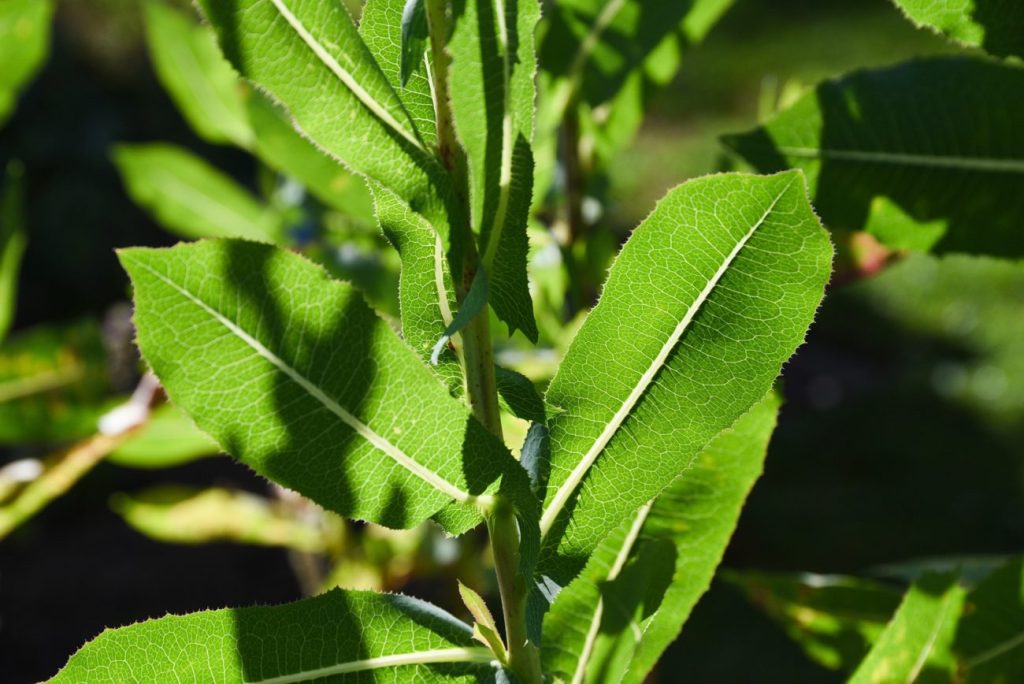
Join us in exploring how this natural renaissance is transforming beauty norms and fostering a more sustainable future, where plants are at the forefront of our skincare experiences.
DISCOVER MORE: Click here to learn about how pollution affects sunscreen
Unveiling the Science Behind Natural Extracts
The fascination with natural extracts in the beauty industry isn’t merely driven by aesthetic appeal; it’s backed by science. Researchers have delved deep into the properties of various plant-based ingredients, revealing their potency and effectiveness in addressing skin concerns. From moisturizing and healing to anti-aging and skin brightening, these botanical wonders offer multifunctional benefits that synthetic ingredients often struggle to replicate.
The Role of Phytochemicals
At the heart of many plant-based formulations are phytochemicals, bioactive compounds found in plants that contribute to their color, flavor, and natural disease resistance. These compounds possess impressive biological activity, making them valuable for skin health. Some notable phytochemicals include:
- Flavonoids: Found in fruits and vegetables, these powerful antioxidants help protect the skin from oxidative stress, a key factor in the visible signs of aging. For instance, flavonoids present in blueberries and apples work to neutralize free radicals, thereby preventing wrinkles and maintaining skin elasticity.
- Saponins: Present in plants like soapwort and horse chestnut, these compounds are known for their cleansing properties. They help to remove impurities while providing moisture, making them ideal for foaming cleansers. Saponins also have anti-inflammatory properties, assisting in the reduction of skin irritation.
- Terpenoids: With their aromatic properties, terpenoids sourced from citrus fruits such as oranges and lemons not only uplift moods but also exhibit anti-inflammatory benefits. These compounds are particularly effective in soothing acne-prone skin due to their ability to reduce redness and swelling.
Popular Natural Extracts Making Waves
The current trend showcases a myriad of plant-based ingredients gaining popularity stage by stage. For instance, witch hazel, known for its astringent properties, has become a staple in toners, providing soothing effects for irritated skin and visibly reducing pores. Meanwhile, the potent antioxidant powerhouse, pomegranate extract, is lauded for its ability to combat free radicals and promote youthful skin; studies have shown that it can even boost collagen production, contributing to overall skin firmness.
In addition to these, extracts from cucumber and rosehip are consistently found in formulations aimed at replenishing hydration and enhancing skin radiance. Cucumber extract is often favored for its cooling effects, making it popular in products designed for sunburned or irritated skin. Rosehip oil, rich in essential fatty acids and vitamins, serves as a regenerative agent, helping to fade scars and improve skin texture.
Creating a Synergy with Synthetic Ingredients
It is essential to note that the resurgence of plant-based ingredients does not signify the complete abandonment of synthetic compounds. Many brands are striving for a harmonious balance, combining the strengths of both worlds to create effective formulations. For example, certain synthetic ingredients can enhance the stability and delivery of natural extracts, allowing them to penetrate the skin more effectively. This synergy ensures consumers reap the full benefits of the power of plants while maintaining product integrity and longevity.
As consumers become better informed about what they put on their skin, brands are being challenged to prioritize quality and transparency in their formulations. This quest for knowledge and authenticity is leading to a beauty landscape that embraces nature’s bounty, inviting an exciting era where plants reign supreme as key players in the industry.
Additionally, understanding the origins of these extracts enhances their appeal, as consumers increasingly favor brands that source their ingredients sustainably and ethically. For instance, the use of fair trade principles in sourcing extracts not only supports local communities but also aligns with the values of environmentally conscious consumers.
The Role of Natural Extracts in Skincare Innovations
The beauty industry is undergoing a significant transformation as consumers become increasingly aware of the benefits of natural ingredients. Harnessing the power of plants not only aligns with consumer preferences but also promotes a more sustainable approach to skincare.
| Category | Advantages of Natural Extracts |
|---|---|
| Antioxidant Properties | Natural extracts, such as green tea and pomegranate, are rich in antioxidants that help combat free radicals, reducing signs of aging. |
| Soothe Skin Irritations | Plant-based ingredients like aloe vera and chamomile are known for their anti-inflammatory properties, making them ideal for sensitive skin types. |
| Hydration Boost | Natural oils, such as jojoba and argan oil, provide deep moisture without clogging pores, enhancing skin elasticity. |
These key benefits not only contribute to healthier skin but also reflect the broader trend of eco-consciousness among consumers. As brands embrace formulations featuring botanical ingredients, they not only cater to market demand but also promote biodiversity and sustainable sourcing practices.
The incorporation of natural extracts in cosmetics is further backed by scientific research, revealing how these ingredients can outperform synthetic alternatives in certain formulations. This transition signifies a pivotal moment in the beauty industry, emphasizing the fusion of traditional remedies with modern science, ultimately leading to more effective skincare solutions.
DISCOVER MORE: Click here for insights on how diet impacts your skin
Revolutionizing Formulations: Innovations in the Beauty Sphere
The integration of natural extracts into beauty products is not solely about marketing; it reflects a deeper shift towards holistic skincare. As the industry evolves, innovative formulations that blend the power of plants with advanced technology are reshaping consumer experiences. More brands are harnessing the potential of sophisticated extraction methods, enabling them to capture the full spectrum of beneficial compounds in plants.
Modern Extraction Techniques
Historically, the extraction of plant essences was labor-intensive and often inefficient. However, contemporary methods are allowing brands to maximize the efficacy of plant-based ingredients. Techniques such as supercritical CO2 extraction and ultrasonic extraction have emerged as pioneering options that yield higher quality extracts without harmful solvents. These methods preserve the integrity of delicate compounds, ensuring that the rich benefits of chlorophylls, polyphenols, and essential fatty acids remain intact.
One notable example is the use of supercritical CO2 extraction in obtaining high-quality hemp seed oil, which is becoming a staple in moisturizers and serums. This oil is celebrated for its rich fatty acid profile that hydrates while acting as an anti-inflammatory, thus soothing skin issues like eczema and psoriasis.
The Allure of Regional Botanicals
As consumers gravitate towards unique and effective solutions, brands are looking to indigenous plants to define their offerings. The resurgence of interest in regional botanicals reflects the diversity of nature’s pharmacy. For instance, aloe vera from the Southwestern United States is not only revered for its healing properties but also for its cultural significance. This versatile succulent is known for its hydrating and anti-inflammatory qualities, making it a sought-after ingredient in many post-sun care products.
Furthermore, plants like amla, a fruit native to India, have gained traction for their rich vitamin C content and remarkable ability to enhance skin luminosity. Its extract is now commonly featured in serums that promise to brighten the complexion and improve overall skin texture.
Merit of Clean Beauty Standards
The current movement towards clean beauty is driving demand for transparency and sustainability. With a growing awareness of the potential harm caused by certain synthetic ingredients, many brands are now adopting clear guidelines, focusing on efficacy without compromising ethical standards. This has led to the emergence of certified organic ingredients, with consumers keen to ensure that their chosen products adhere to the highest quality benchmarks.
- Eco-Friendly Packaging: In conjunction with green formulations, brands are also prioritizing sustainable packaging options made from recycled or biodegradable materials, aligning with environmentally conscious consumer values.
- Consumer Education: Increasingly, brands are investing in educational campaigns that explain the benefits of their plant-based ingredients. This empowers consumers to make informed choices that align with their lifestyle and values.
This shift is transforming traditional product lines; for example, well-known companies are rebranding existing products by infusing them with high-demand extracts like matcha or sea buckthorn, each known for anti-aging properties. As companies respond to consumer preferences, the talk around “clean” ingredients is becoming an integral part of the brand narrative.
The commitment to incorporating natural extracts into modern beauty formulations marks a significant legacy for the industry. Together, the blend of innovation, ethics, and effectiveness ensures that the power of plants continues to resonate deeply within the evolving landscape of skincare and cosmetics.
LEARN MORE: Click here to enhance your sun protection knowledge
Conclusion: Embracing Nature’s Essence in Beauty
The beauty industry is undergoing a profound transformation as it increasingly embraces natural extracts and the power of plants. This shift signifies a movement beyond mere trendiness, as brands diligently prioritize holistic wellness and sustainability in their formulations. By leveraging cutting-edge extraction techniques, companies are able to unveil the full potential of plant-based ingredients, preserving their efficacy while avoiding harmful additives.
Additionally, the allure of regional botanicals showcases the diversity of nature and validates the cultural significance of indigenous plants. Consumers are becoming more discerning, seeking products that resonate with their values—transparency, sustainability, and ethical sourcing—making the clean beauty movement a powerful force in shaping market trends. Brands that are making transparent efforts to educate consumers about the benefits and origins of their ingredients are not only fostering trust but also empowering individuals to make informed choices.
As the industry continues to blend innovation with the wisdom of nature, we can expect an exciting array of products that enhance beauty while prioritizing the well-being of both the user and the planet. The fusion of science and nature is not only creating skincare solutions that are effective but is also paving the way for a more responsible and sustainable beauty landscape. Ultimately, the power of plants is carving a new path in the beauty world, reminding us of the profound connection between our beauty rituals and the natural environment that sustains us.
Related posts:
The Relationship between Mental Health and Beauty: How Stress Affects Skin Aging
The Influence of Lifestyle on Skin Health: Exercises and Their Anti-Aging Benefits
The Importance of Hydration in Preventing Skin Aging: Methods and Products
The Revolution of Botanical Ingredients: New Trends in Natural Cosmetics and Their Impact on Modern ...
The Use of Rejuvenation Technologies: Laser, Radiofrequency and Their Effects on the Skin
The Role of Antioxidants in Preventing Skin Aging

Linda Carter is a writer and beauty expert specializing in skincare routines, cosmetic ingredients, and holistic self-care practices. With extensive experience helping individuals achieve healthy, radiant skin and make informed beauty choices, Linda shares her knowledge on our platform. Her goal is to empower readers with practical advice and science-backed strategies for lasting beauty and skin health.