The Impact of Stress on Acne: How Mental Health Affects Skin Conditions
Understanding the Connection Between Stress and Acne
Acne is often viewed as a teenage affliction, yet it affects millions of adults as well. What many might not realize is the profound connection between mental health and skin conditions like acne. Stress does not simply manifest in emotional turmoil; it can significantly influence physical health, especially your skin.
When experiencing stress, the body produces more cortisol, a hormone that can lead to increased oil production in the skin. This surge in oil can clog pores, making them more susceptible to bacteria. As a result, the following issues often occur:
- Inflammation and redness
- Worsened breakouts
- Delayed healing of existing acne
Numerous studies indicate a strong correlation between high-stress levels and increased acne flare-ups. For instance, a survey published in the Journal of Dermatology found that over 50% of surveyed adults indicated that stress had a direct impact on their skin condition. This correlation highlights the importance of understanding how mental well-being impacts outer appearance and can offer pathways to effective treatment.
Common Stress Management Techniques
Exploring this topic reveals critical insights about skin care and stress management. For example, adopting effective stress management techniques can potentially alleviate acne severity. Common practices include:
- Mindfulness and meditation: Engaging in mindfulness practices, such as yoga or guided meditation, can lower cortisol levels and foster a sense of calm. Research has shown that just 10 minutes of daily mindfulness can significantly improve emotional resilience and enhance skin health.
- Regular physical activity: Exercise is a powerful stress reliever. Activities like running, swimming, or even brisk walking release endorphins, which elevate mood and can help regulate hormones. A 2018 study found that individuals who exercised regularly reported fewer acne flare-ups compared to their sedentary counterparts.
- Balanced nutrition: A diet rich in antioxidants, omega-3 fatty acids, and vitamins can also combat the effects of stress on the skin. Incorporating foods such as berries, nuts, and leafy greens can provide the body with essential nutrients that promote skin health.
As we delve deeper into the relationship between stress and acne, it becomes evident that mental health is an integral aspect of assessing and treating skin conditions. The skin often acts as a mirror reflecting internal health and emotional state. Thus, understanding this interplay can pave the way for healthier skin and improved overall wellness. By addressing both the psychological and physical aspects of acne, individuals may find holistic solutions to this widespread condition.
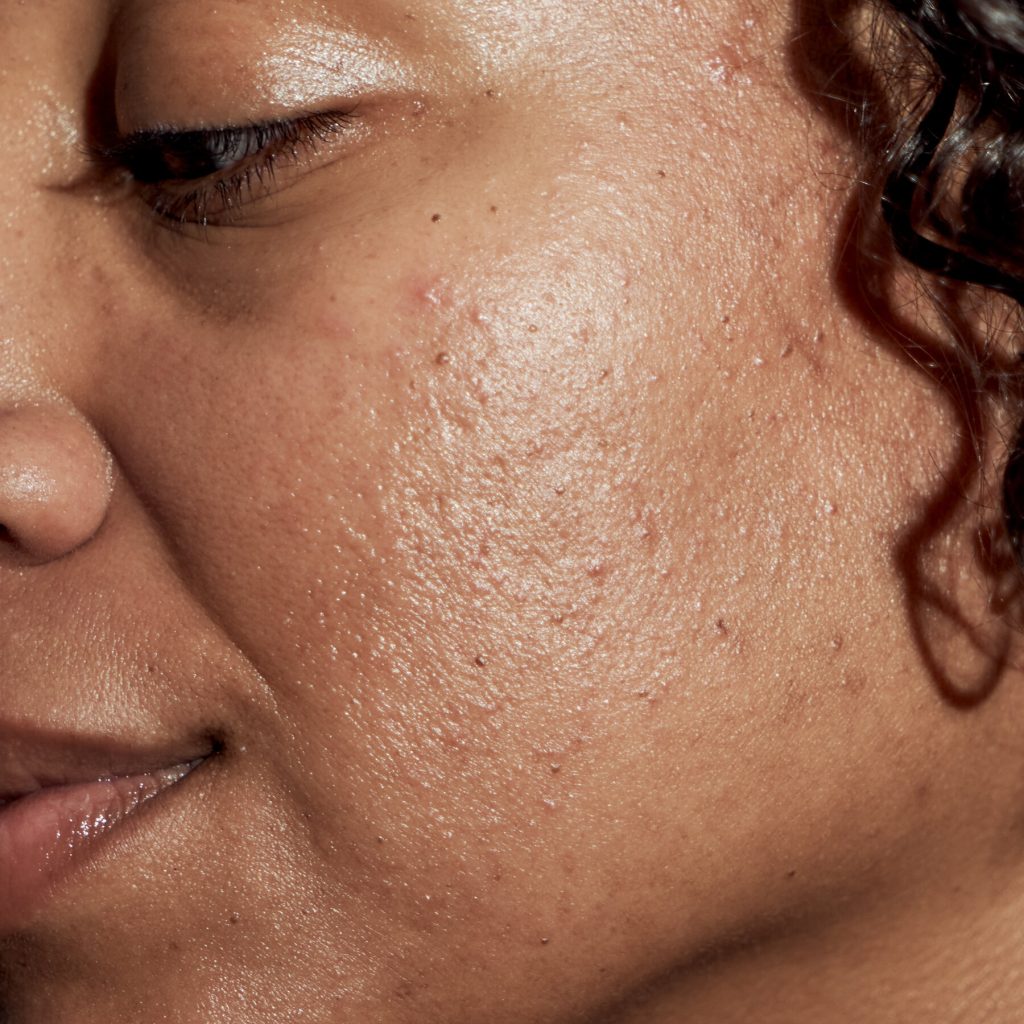
Furthermore, it is crucial to consult with healthcare professionals when dealing with severe or persistent acne. Dermatologists can provide tailored advice that incorporates both topical treatments and lifestyle modifications to best support individual needs. Emphasizing this dual approach encourages a more comprehensive understanding of personal health, ultimately leading to enhanced self-esteem and well-being.
DON’T MISS: Click here for essential tips on sunscreen reapplication
The Biological Mechanism Behind Stress and Acne
Understanding how stress triggers or exacerbates acne requires a closer look at the biological mechanisms at play. The body’s response to stress is complex and involves various systems, primarily the endocrine system, which produces hormones that play a significant role in skin health.
When a person experiences stress, the hypothalamus in the brain signals the adrenal glands to ramp up the production of cortisol, often referred to as the “stress hormone.” Elevated cortisol levels can lead to an increase in the production of sebum, the oily substance that lubricates the skin. This excess sebum can clog pores, creating an ideal environment for acne-causing bacteria, such as Propionibacterium acnes, to thrive. Consequently, this process can lead to:
- Enhancement of inflammation: Stress-sourced chemicals can trigger an inflammatory response in the body, leading to the redness and swelling often associated with acne.
- Increased keratinocyte activity: Stress can prompt these skin cells to multiply, contributing to comedones or clogged pores.
- Impaired wound healing: The body’s heightened stress response can slow down the healing process of existing acne, prolonging breakouts and increasing the chances of scars.
Moreover, chronic stress can impact the skin barrier function. This function is critical, as it protects the skin from environmental irritants and pathogens. A compromised skin barrier can lead to increased sensitivity and a susceptibility to various conditions aside from acne, such as eczema and rosacea. Research in the Journal of Clinical Psychiatry highlights that individuals suffering from chronic anxiety and depression often experience more significant skin issues, including resistance to typical acne treatments.
The Psychological Components of Acne
The psychological aspects of dealing with acne cannot be overstated. Those struggling with acne may experience a range of emotional challenges, from low self-esteem to anxiety and depression. A survey published in the Journal of Dermatological Treatment indicated that nearly 30% of individuals with acne reported suffering from significant anxiety related to their condition. The emotional turmoil caused by persistent acne can further aggravate stress levels, creating a vicious cycle that affects both mental and skin health.
Given these complexities, it becomes clear that tackling acne from a purely physical perspective is insufficient. Addressing mental health alongside dermatological treatments can provide a more comprehensive and effective approach to managing skin conditions. Therefore, understanding and addressing both mindset and skin health can help patients break free from this cycle of stress and acne, leading to clearer skin and improved emotional well-being.
The relationship between stress and skin conditions like acne is complex, involving a cascade of physiological responses that can exacerbate existing skin issues. When an individual experiences stress, the body releases hormones such as cortisol and adrenaline. These hormones play a critical role in the “fight or flight” response, but they also have an immediate and lasting impact on the skin. Elevated cortisol levels can lead to increased oil production in the skin, which can contribute to clogged pores and, ultimately, to acne breakouts.Moreover, psychological stress can affect our behavioral habits, further intensifying skin problems. Individuals under stress may engage in unhealthy habits such as smoking or excessive alcohol consumption, both of which can diminish skin health. Additionally, stress can lead to poor sleeping patterns, which research suggests is closely linked to the deterioration of skin conditions. Lack of sleep impacts the skin’s ability to repair itself, potentially leading to increased inflammation and more frequent breakouts.Research indicates that an individual’s mental well-being can significantly influence the severity of acne flare-ups. Conditions like anxiety and depression can exacerbate stress levels, forming a vicious cycle that affects skin appearance. Moreover, many people may turn to skincare products in hopes of mitigating their acne, yet excessive use or reliance on creams can sometimes further irritate the skin and lead to more problems.One notable aspect is the link between stress and inflammation. Chronic stress is associated with an inflammatory response in the body, which could lead to an increased prevalence of acne. This underscores the importance of addressing mental health as part of an effective acne treatment plan. Mindfulness practices, such as meditation and yoga, have shown promise in alleviating stress and consequently improving skin health.Taking a holistic approach that incorporates both skin care and mental health strategies is essential for individuals experiencing acne linked to stress. By recognizing the impact of stress on overall skin conditions, individuals can seek out comprehensive treatment options that address the root causes of their acne, rather than merely treating the symptoms. Understanding this connection not only empowers individuals but also encourages them to prioritize their mental well-being in pursuit of healthier skin.
DISCOVER MORE: Click here to learn about the effects of pollution on your skin
Links Between Stress, Acne, and Lifestyle Choices
Beyond the biological mechanisms, the relationship between stress and acne extends into lifestyle choices that can inadvertently exacerbate skin conditions. High-stress levels often lead individuals to develop poor habits that further compromise skin health. For instance, many people tend to resort to unhealthy eating when under stress, opting for comfort foods high in sugars and fats. According to a study published in the Journal of the American Academy of Dermatology, diets rich in processed foods and sugars can contribute to the worsening of acne due to fluctuations in blood sugar levels, which can, in turn, increase sebum production and inflammation.
Moreover, stress is often linked to insufficient sleep. The American Academy of Sleep Medicine has reported that lack of quality sleep can elevate stress hormones, creating a continuous cycle of skin stress. Those who experience sleep disturbances may find that their acne breaks out or worsens, as sleep is crucial for the body’s regeneration and healing processes. The skin, when deprived of proper rest, does not recover effectively from previous breakouts, and the results can be a visible exacerbation of acne.
The Role of Stress Management Techniques
Considering the profound impact of stress on acne, incorporating effective stress management techniques becomes a vital aspect of a holistic approach to skin health. Practices such as mindfulness, yoga, and regular physical exercise have been shown to reduce stress levels significantly. A randomized controlled trial in the Journal of Behavioral Medicine found that participants who practiced mindfulness meditation reported a notable decrease in perceived stress and improved emotional well-being, which correlated with a reduction in acne outbreaks.
Additionally, therapy or counseling can provide individuals with the tools to cope with anxiety and stress, ultimately benefiting both their mental and skin health. Cognitive Behavioral Therapy (CBT), in particular, has been highlighted as an effective intervention for reducing the psychological burden that comes with acne. According to a publication in the Archives of Dermatological Research, patients who engaged in therapy showed a marked decrease in emotional distress related to their skin condition, reflecting in fewer physical symptoms.
Furthermore, the importance of social support should not be underestimated. Sharing experiences with others who understand the challenges of acne can offer emotional relief and reduce feelings of isolation. Support groups, either in-person or online, can create a community where individuals exchange coping strategies and encouragement, resulting in lowered stress levels and, potentially, improved skin conditions.
- Budgeting time for self-care: Simple practices like skincare routines, relaxation techniques, and hobbies can improve overall mental health, which may have a positive influence on acne management.
- Healthy dietary choices: Incorporating nutrient-dense foods and staying hydrated can not only manage stress but also support skin health.
- Adequate sleep hygiene: Establishing a regular sleep schedule and creating a peaceful bedtime environment can reduce the physiological effects of stress on the skin.
Understanding the intricate connections between stress, acne, and lifestyle choices provides an opportunity to rethink typical approaches to skin treatments. Rather than solely focusing on topical applications or medications, addressing the root causes of stress and its psychological implications can lead to more sustainable and effective solutions for acne management.
DISCOVER MORE: Click here to learn the truth about sun protection
Conclusion
The relationship between stress and acne presents a compelling insight into how our mental health directly influences our skin conditions. Through various biological and lifestyle channels, high-stress levels can trigger or exacerbate acne outbreaks, underscoring the importance of viewing skin health through a holistic lens. As highlighted throughout this discussion, stress can lead to poor dietary choices, insufficient sleep, and unhealthy coping mechanisms, all of which can contribute to the worsening of acne. Thus, managing stress not only benefits mental well-being but can also provide significant improvements in skin conditions.
Embracing effective stress management techniques such as mindfulness, regular exercise, and adequate sleep is crucial for those struggling with acne. These practices can cultivate a healthier mental state, which has been shown to correlate with a noticeable reduction in skin breakouts. Furthermore, participating in social support networks and engaging in therapy can equip individuals with the necessary tools to cope with stress-related skin challenges.
In conclusion, understanding that acne is not solely a dermatological issue but rather a multifaceted problem involving both mental health and lifestyle choices encourages individuals to rethink conventional treatment methods. By prioritizing mental well-being in acne management, one may discover a path to healthier skin that transcends mere topical solutions. As we continue to explore the profound links between stress and skin health, the quest for holistic approaches could unlock new doors for millions seeking relief from acne. The journey towards improved skin doesn’t have to be a solitary one, and acknowledging the role of mental health is an essential step in reclaiming one’s confidence.
Related posts:
The Role of Diet in Acne Management: Exploring the Connection Between Food Choices and Skin Health
Exploring the Connection Between Gut Health and Acne: The Impact of Probiotics on Skin Clarity
Exploring the Role of Professional Treatments: How Dermatological Procedures Can Enhance Acne Manage...
Exploring the Latest Advances in Acne Treatments: From Topicals to Laser Therapy
The Role of Diet in Acne Management: Foods to Embrace and Avoid
Natural Remedies for Acne: Do They Really Work?

Linda Carter is a writer and beauty expert specializing in skincare routines, cosmetic ingredients, and holistic self-care practices. With extensive experience helping individuals achieve healthy, radiant skin and make informed beauty choices, Linda shares her knowledge on our platform. Her goal is to empower readers with practical advice and science-backed strategies for lasting beauty and skin health.