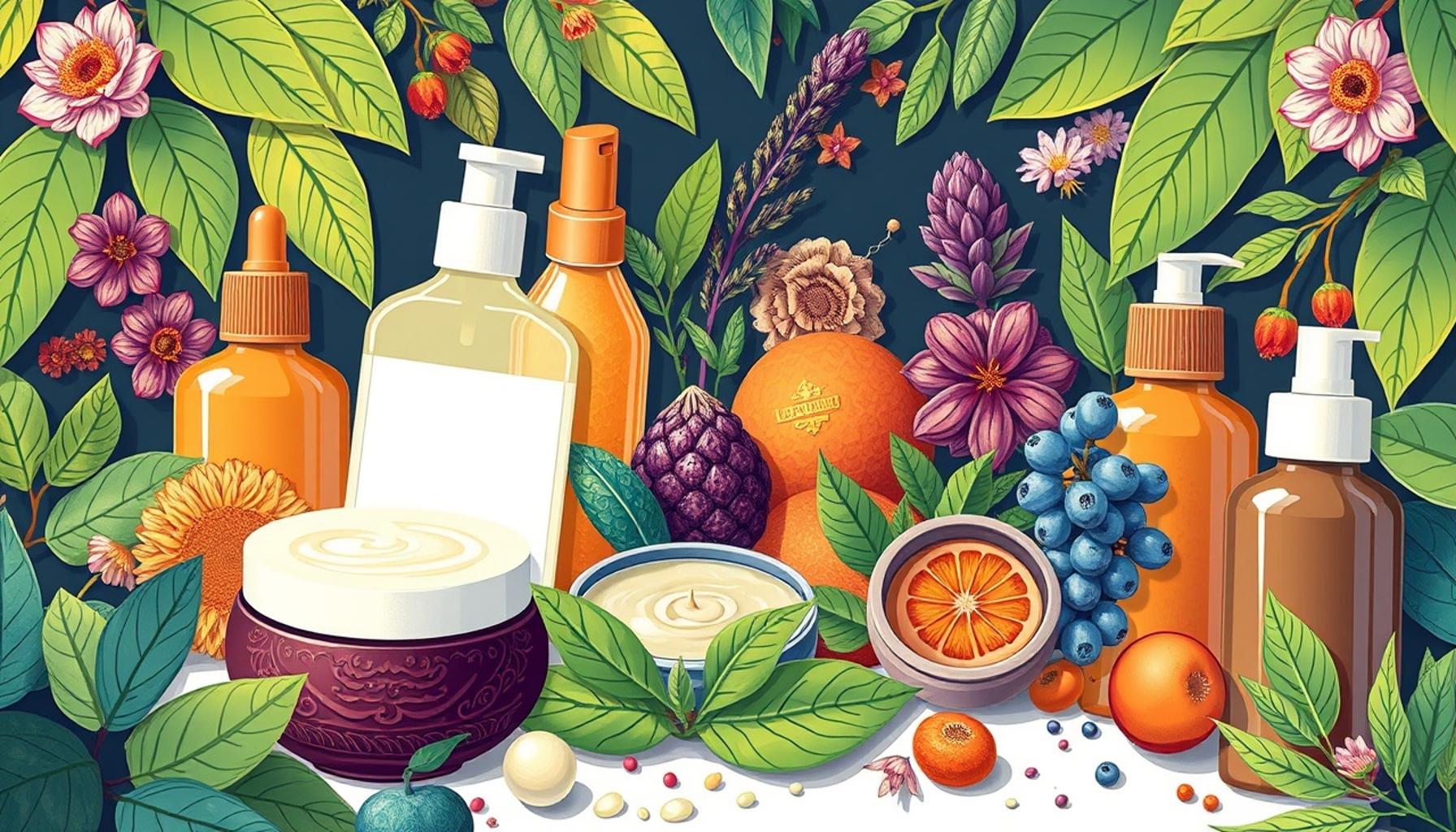
The Evolution of Skincare Routines: From Traditional to Minimalist

The Transformation of Skincare Practices
In recent years, the evolution of skincare routines has showcased a fascinating transformation, responding to the fast-paced nature of modern life. With the rise of social media platforms like Instagram and TikTok, the beauty industry has adapted, gravitating towards more streamlined and efficient methods. This shift is not merely a trend; it reflects broader cultural changes and a growing awareness of what constitutes effective skincare.
Today’s consumers are faced with a daunting array of choices. On one hand, some still swear by traditional regimens that consist of multiple steps, sometimes including ten or more products. These elaborate routines often feature cleansers, toners, serums, masks, and moisturizers, each promising to address specific skin concerns. For instance, someone with dry skin might follow a multi-step routine that includes a hydrating serum and rich creams to lock in moisture.
On the contrary, there is a noticeable shift towards natural remedies, appealing to those who prefer the simplicity of using kitchen staples in their skincare routines. Ingredients like honey, adored for its antibacterial properties, and aloe vera, known for its soothing effects, have gained significant traction. Tea tree oil, revered for its acne-fighting capabilities, is becoming a household name in the U.S., as people embrace a more organic approach to skincare.
The advent of the minimalist approach can also be attributed to the need for efficiency. Many individuals, overwhelmed by product choices, have shifted towards using a handful of effective products tailored to their skin needs. This trend emphasizes the mantra of “less is more,” where a cleanser, moisturizer, and sunscreen may suffice for optimal skin health.
Adapting to Modern Needs
As skincare trends morph, consumers increasingly prioritize fewer steps. This desire for a simplified routine doesn’t mean sacrificing effectiveness. Many branded products highlight key, proven ingredients such as hyaluronic acid for hydration or retinol for anti-aging. These choices empower consumers to make savvy decisions without being bogged down by unnecessary steps.
Another significant aspect of today’s skincare landscape is personalization. Understanding one’s unique skin type and concerns has never been easier thanks to dermatological insights available through online resources and beauty influencers. Customizable skincare brands now allow individuals to blend products that cater directly to their skin needs, such as reactive prone skin or uneven texture.
This article not only illuminates the historical roots of skincare practices but also provides insights into how modern trends are shaping our daily beauty rituals. As consumers navigate this ever-evolving landscape, being informed about ingredient efficacy and routine simplicity is crucial for achieving healthy, radiant skin.
With the continued blending of traditional wisdom and modern science, the skincare of tomorrow promises to be as diverse as it is effective. From embracing natural remedies to championing personalized solutions, the journey of skincare has only just begun.
DIVE DEEPER: Click here to learn more
The Rise of Traditional Routines
Historically, the world of skincare was rooted in tradition, often dictated by cultural practices and generational wisdom. In many cultures, skincare rituals were considered sacred, with families passing down recipes and techniques through generations. For instance, in Asian countries, practices like double cleansing and layering essences can be traced back centuries, showing how rituals have long been ingrained in daily life. These traditional routines often include a myriad of steps aimed at achieving flawless skin, catering to various concerns ranging from dryness to aging.
One of the hallmark features of traditional skincare routines is their emphasis on using high-quality, branded products. Many consumers invest significantly in premium skincare lines that claim to offer significant benefits. The allure of a ten-step routine, popularized by K-beauty influencers, often features:
- Cleansing oils or balms
- Foaming cleansers
- Exfoliating toners
- Essences for hydration
- Serums targeting specific concerns
- Sheet masks for a pampering effect
- Moisturizers to lock in hydration
- Eye creams to combat dark circles
- Sunscreens as a protective layer
- Night creams for overnight repair
This extensive effort aligns with the belief that a comprehensive routine yields superior results, where each layer of product serves a unique purpose. However, the time-consuming nature of such rituals can be overwhelming, prompting a new dialogue about the necessity of each step.
The Shift Towards Minimalism
In contrast, the minimalist skincare shift advocates for a departure from this elaborate approach, promoting routines that are easier to follow, save time, and cut costs. The minimalism movement isn’t just about personal preference; it also resonates with a growing societal consciousness around reducing waste and a desire for better environmental practices. As consumers align with more sustainable strategies, they seek products that are multi-functional, allowing them to do more with less.
What sets the minimalist approach apart is its guiding principle of efficiency without sacrificing efficacy. The growing popularity of multi-functional products demonstrates how savvy consumers are reshaping their routines. For example, a moisturizer that doubles as a sunscreen not only simplifies the application process but also encourages adherence to daily sun protection, which is essential in preventing skin aging and damage.
Additionally, the minimalist trend is fueled by a growing body of evidence supporting the effectiveness of streamlined routines. According to a survey by the American Academy of Dermatology, dermatologists emphasize that excessive product layering may lead to skin irritation and disrupted skin barriers. This revelation has empowered consumers to reconsider their choices and opt for simpler, more effective solutions.
As we move forward, understanding the evolution of skincare routines becomes critical. With traditional practices steeped in history juxtaposed against the trendy rush towards simplification, the quest for glowing skin continues to evolve. Those navigating these options will find a wealth of knowledge to empower their decisions, allowing for a personalized approach tailored to individual needs.
The Evolution of Skincare Routines: From Traditional to Minimalist
As we delve deeper into the transformation of skincare routines, it’s evident that the shift from traditional to minimalist approaches is more than just a trend. More people are embracing the idea that less can indeed be more when it comes to maintaining healthy skin. This shift encompasses various aspects, from the products we choose to the philosophy behind our skincare regimens.
One major factor contributing to this evolution is the growing awareness of ingredient transparency and the potential harm of overloading the skin with products. Traditional skincare often involves multiple steps and a plethora of products, which can lead to skin irritation and confusion about what truly benefits the skin. Minimalist skincare, on the other hand, advocates for a streamlined approach, focusing on a select few products that cater to the skin’s specific needs while maximizing the effectiveness of each ingredient.
| Category | Advantages |
|---|---|
| Fewer Products | Reduced risk of irritation and breakouts, allowing the skin to maintain its natural balance. |
| Ingredient Focus | Emphasis on essential ingredients that suit diverse skin types, enhancing overall skin health. |
This evolution is not only about simplifying routines but also about enhancing our relationship with skincare. It encourages mindfulness in choosing products that align with personal values and skin health. Consumers are now more inclined to invest in quality over quantity, seeking formulations that are both effective and ethical. This approach has led to a surge in brands that prioritize sustainability and holistic health, meeting the demands of a conscious consumer base.
As we continue to explore this transition, it’s crucial to consider the cultural and technological influences shaping our understanding of skincare today. The rise of social media and beauty influencers has played a pivotal role in disseminating knowledge about skincare, making it accessible and engaging for a wider audience. The question remains—how will this ongoing evolution further influence our skincare practices in the years to come?
DISCOVER MORE: Click here to learn about the impact of hydration on aging
The Influence of Technology on Skincare
The skincare industry has seen transformative changes with the integration of technology, further fueling the minimalist approach. The rise of skincare apps, AI-driven diagnostics, and personalized product recommendations has revolutionized how consumers approach their skincare routines. Instead of relying solely on traditional advice, individuals can now access tailored solutions based on specific skin types and concerns. These technological advancements allow for greater customization and efficiency, perfectly aligning with the minimalist ethos of doing more with less.
For example, apps like Yuka and Think Dirty empower users by providing insights into product ingredients, helping them make informed choices without the need for trial and error. This technology not only simplifies the shopping process but also encourages consumers to focus on effective ingredients rather than an extensive array of products. As a result, users can streamline their routines while confidently selecting fewer, but more effective, formulations.
The Role of Ingredient Transparency
Another factor influencing the evolution of skincare routines is the increasing demand for ingredient transparency. Modern consumers are now more educated regarding skincare formulations, often gravitating toward brands that promote clean, non-toxic ingredients. This hyper-focus on ingredient lists empowers individuals to be discerning in their choices, opting for products that confidently fulfill their needs without unnecessary additions.
Brands like Drunk Elephant and The Ordinary epitomize this movement, offering straightforward products that emphasize quality over quantity. The emphasis on fewer and cleaner ingredients resonates with minimalism, allowing users to focus on what truly benefits their skin. Furthermore, this shift supports a broader trend where consumers actively seek to avoid irritants and allergens, fostering enhanced skin health.
Social Media’s Impact on Skincare Trends
The role of social media, particularly platforms like Instagram and TikTok, cannot be understated in the evolution of skincare routines. Influencers and dermatologists have access to millions of followers, championing simplified routines that challenge traditional practices. The “less is more” mantra is often echoed through viral trends such as:
- Skinimalism: A movement focused on embracing natural skin texture while minimizing the use of makeup and heavy products.
- Five-step routines: Encouraging consumers to limit their skincare regimens to just five essential products.
- Hydration-first philosophy: Prioritizing hydration and barrier support over extensive treatments.
These trends highlight a collective cultural shift towards authenticity and self-acceptance, allowing consumers to engage with skincare on a more personal level. Social media’s influence is not only reshaping routines but also facilitating discussions centered around inclusivity and diversity in skincare, further mitigating the pressure to adhere to rigid beauty standards.
The Future of Skincare Routines
As we peel back the layers of this evolution, it becomes clear that the trajectory of skincare routines is far from static. The dynamic interplay between traditional methods and minimalist practices continues to shape how consumers approach their beauty regimens. With compelling evidence supporting simpler, streamlined routines and a newfound appreciation for technology and transparency, the future of skincare remains promising. It will be fascinating to observe how these evolving principles will impact wellness and self-care in the years to come, as new innovations and consumer needs continue to emerge.
DISCOVER MORE: Click here for personalized sunscreen tips
Conclusion
The journey of skincare routines, from traditional practices steeped in cultural history to the modern minimalist approach, reflects a broader evolution in consumer preferences and values. As we examine this transition, several key themes emerge, including the powerful influence of technology, the demand for ingredient transparency, and the role of social media in shaping public perception and trends. Today’s consumers are equipped with tools to access personalized solutions tailored to their unique skin needs, moving away from a one-size-fits-all mentality.
This shift towards minimalism doesn’t only promote efficiency but also emphasizes quality over quantity, encouraging individuals to invest in fewer, high-performing products rather than overwhelming themselves with a plethora of options. The rise of trends like skinimalism and hydration-first philosophies demonstrates a collective yearning for authenticity and a return to self-acceptance, moving towards a definition of beauty that prioritizes health and well-being over rigid beauty standards.
Looking to the future, the interplay between traditional and minimalist methods will likely continue to evolve, influenced by emerging technologies and consumer awareness. As skincare enthusiasts prioritize thoughtful choices and seek sustainable practices, the industry must adapt to these demands, shaping a future where effective skincare is accessible, inclusive, and deeply personal. Exploring these trends may not only reshape our approach to beauty but also have lasting implications for self-care in a rapidly changing world.
Related posts:
Homemade Recipes: How to Create Your Own Skin Care Products with Natural Ingredients
The Importance of Hydration in Preventing Skin Aging: Methods and Products
The Power of Plants: How Natural Extracts are Transforming the Beauty Industry
The Revolution of Botanical Ingredients: New Trends in Natural Cosmetics and Their Impact on Modern ...
The Influence of Lifestyle on Skin Health: Exercises and Their Anti-Aging Benefits
The Use of Rejuvenation Technologies: Laser, Radiofrequency and Their Effects on the Skin

Linda Carter is a writer and beauty expert specializing in skincare routines, cosmetic ingredients, and holistic self-care practices. With extensive experience helping individuals achieve healthy, radiant skin and make informed beauty choices, Linda shares her knowledge on our platform. Her goal is to empower readers with practical advice and science-backed strategies for lasting beauty and skin health.