
The Different Types of Sunscreens: Chemical vs. Physical and How They Affect the Skin

The Importance of Understanding Sunscreen Choices
As summer approaches, the excitement of beach vacations and outdoor activities is palpable. However, amidst the fun and sun, the importance of sun protection cannot be overstated. Sunscreens serve a dual purpose: not only do they help prevent painful sunburns, but they are also vital in safeguarding skin health against the long-term effects of UV exposure, which can lead to premature aging and an increased risk of skin cancer.
Chemical Sunscreens Explained
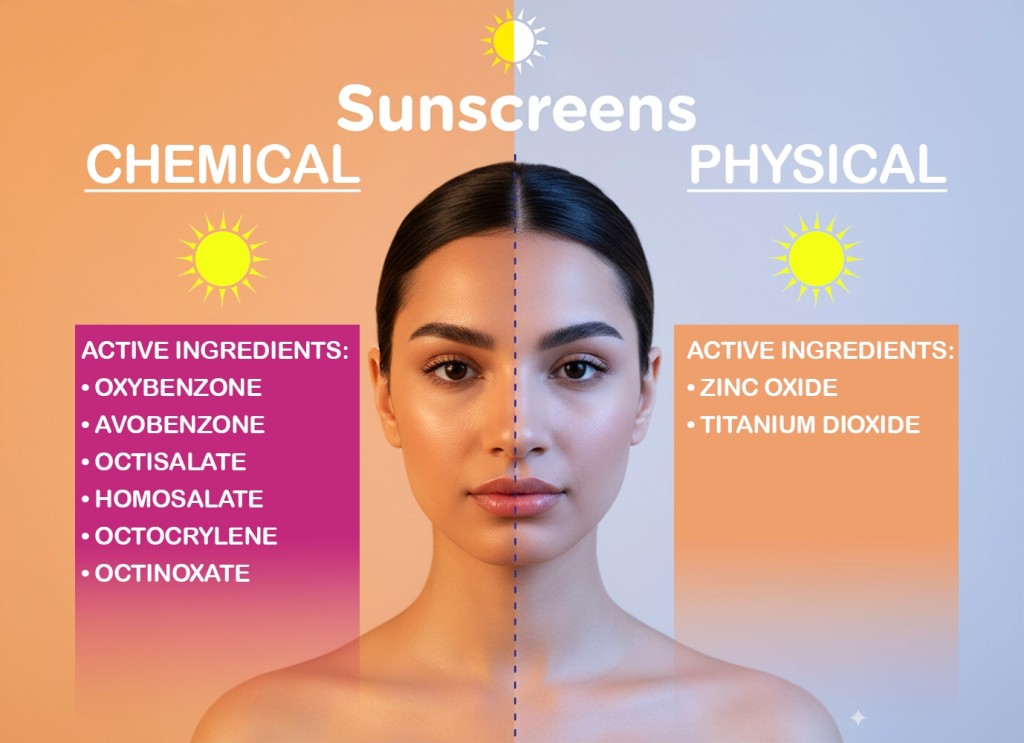
Chemical sunscreens contain organic compounds that absorb UV radiation, transforming it into heat, which is then expelled from the skin. Common ingredients found in these formulations include avobenzone, octisalate, and octocrylene. These products typically have a lightweight texture, making them popular for daily wear, especially for those who prefer a non-greasy finish. Many chemical sunscreens are also water-resistant, which is ideal for swimming or sports activities.
The Benefits of Physical Sunscreens
In contrast, physical sunscreens, often referred to as mineral sunscreens, utilize active mineral ingredients like zinc oxide and titanium dioxide. These minerals work by sitting on top of the skin and reflecting UV rays away, providing immediate protection the moment they are applied. Such formulations are particularly appealing for individuals with sensitive skin or those prone to allergic reactions, as they are less likely to cause irritation compared to their chemical counterparts.
Weighing the Pros and Cons
- Chemical sunscreens tend to blend seamlessly into the skin and are less visible after application, which some users appreciate. However, they can sometimes cause irritation for sensitive skin types, due to their complex formulation that offers chemical absorption.
- Physical sunscreens might leave a white cast, especially on darker skin tones, but they are generally recognized for their gentleness and immediate efficacy, making them a solid choice for children or individuals with highly reactive skin.
As you contemplate your options, consider factors such as skin type, lifestyle, and specific activities planned for the summer. For instance, those engaging in water sports may benefit more from chemical options due to their enhanced water resistance, while beachgoers with sensitive skin might prefer the mildness and immediate safety of physical products.
The Science Behind Sunscreen
Delving deeper into the science behind these formulations can shed light on vital factors such as skin absorption and potential irritants. Some consumers may worry about the safety of chemical ingredients, as certain compounds have come under scrutiny. Conversely, the minerals in physical sunscreens are often viewed as safer since they don’t penetrate the skin as deeply, providing a more protective barrier. Understanding these differences is crucial in making informed choices that protect not just from immediate damage but also promote long-term skin health.
With an influx of information available, keeping abreast of sunscreen developments is essential. As summer beckons, take the time to explore and understand the nuances of both chemical and physical sunscreens to ensure optimal skin protection while enjoying all your summer adventures.
DISCOVER MORE: Click here to uncover effective natural solutions
Understanding Sunscreen Formulations and Their Impact on the Skin
As sun protection becomes a cornerstone of skincare, understanding the distinctions between chemical and physical sunscreens is essential for maximizing their benefits. Each formulation works uniquely to combat the damaging effects of UV rays, yet their mechanisms can deeply influence how they affect various skin types.
Chemical Sunscreens: A Closer Look
The appeal of chemical sunscreens primarily lies in their innovative approach to sun protection. When applied, these formulations absorb ultraviolet radiation through a blend of organic compounds, converting it into heat and then releasing that heat from the skin. Ingredients like oxybenzone and homosalate exemplify this method, making these products highly effective for daily use. Their lightweight textures make them particularly alluring for those who desire a non-greasy finish. Furthermore, many chemical sunscreens are formulated to be water-resistant, making them ideal companions for swimming or outdoor sports.
Physical Sunscreens: The Gentle Shield
For those with more sensitive skin or concerns over irritation, physical sunscreens offer an alternative with their mineral-based formulations. Using active ingredients like titanium dioxide and zinc oxide, these products create a physical barrier on the skin that reflects UV rays rather than absorbing them. This immediate protection can be especially beneficial for individuals prone to rosacea or other skin conditions that may flare up with chemical additives. Additionally, these formulas are often recommended for children and those who prefer products with fewer synthetic chemicals.
Key Differences Between Chemical and Physical Sunscreens
- Absorption vs. Reflection: Chemical sunscreens absorb UV radiation, while physical sunscreens reflect it, offering different methods of protection.
- Texture and Finish: Chemical sunscreens typically go on smoothly and are less likely to leave a white residue, whereas physical sunscreens may leave a noticeable film on the skin.
- Duration of Protection: Some chemical formulations require reapplication every two hours, while physical sunscreens often provide longer-lasting protection due to their stable ingredients.
- Skin Compatibility: Chemical options may irritate sensitive skin, while physical choices are generally considered less irritating and suitable for a broader audience.
As you navigate the variety of available sunscreens, it’s vital to consider skin type, lifestyle, and individual needs. For those engaging in intensive physical activities or encountering water regularly, chemical sunscreens might prove more effective. Conversely, for individuals with easily irritated skin seeking a gentle yet effective solution, physical sunscreens can be a game changer. Understanding these variables enables consumers to make informed choices that enhance skin protection and overall health.
Safety and Research Considerations
The safety of sunscreen ingredients is under constant examination, especially in the context of environmental impact and potential health risks. While some users express concerns regarding the absorption of certain chemical ingredients into the skin, others advocate for the efficacy and convenience of these formulations. Physical sunscreens, while generally regarded as safer and less irritating, raise questions about possible ecological effects due to coral bleaching from zinc oxide. As research and formulations evolve, staying informed about the latest findings is paramount for responsible sun care.
The Science Behind Chemical and Physical Sunscreens
When choosing a sunscreen, understanding the differences between chemical and physical formulas is crucial for informed skincare.
Chemical Sunscreens
Chemical sunscreens work by absorbing ultraviolet (UV) rays through their chemical compounds and transforming them into heat, which is then released from the skin. Common ingredients found in chemical sunscreens include avobenzone, octisalate, and octocrylene. One significant advantage of these sunscreens is their lightweight feel and cosmetic elegance, making them appealing to daily users who prefer a non-greasy finish. Furthermore, they tend to be more easily absorbed into the skin, which can minimize the risk of white cast – a common drawback of physical types.However, it’s important to note that chemical sunscreens may cause irritation for those with sensitive skin. Additionally, recent studies have raised questions regarding some of these ingredients’ environmental impact, particularly on coral reefs.
Physical Sunscreens
On the other hand, physical sunscreens, also known as mineral sunscreens, contain active mineral ingredients such as zinc oxide or titanium dioxide. These components sit on the skin’s surface to physically deflect and scatter UV radiation. One of the most notable benefits of physical sunscreens is their broad-spectrum protection right after application, as they do not require time to absorb, unlike chemical varieties. They are especially recommended for people with sensitive skin or conditions like rosacea, as they tend to be less irritating.However, physical sunscreens can sometimes leave a noticeable white residue, which may be unappealing to some users, particularly those with darker skin tones. Moreover, some users may find the texture to be heavier compared to chemical options.Understanding these differences can help consumers select a product that aligns with their skin needs and lifestyle choices. Ultimately, the decision may depend on various factors such as skin type, environmental impact considerations, and personal preferences.
Choosing the Right Sunscreen
When selecting between chemical and physical sunscreens, it is essential to consider broad-spectrum protection that shields against both UVA and UVB rays, regardless of the type of sunscreen. Evaluating labels for additional beneficial ingredients like antioxidants or hydration properties can further enhance protection and skin health. Staying informed about both chemical and physical sunscreens allows for tailored skincare choices that meet unique protection needs and preferences, enhancing your defense against harmful UV rays while maintaining healthy skin.
LEARN MORE: Click here to discover the power of peptides
Choosing the Right Sunscreen for Your Skin Type
The decision between chemical and physical sunscreens isn’t solely based on personal preference; it also hinges on factors such as skin type, lifestyle, and specific skin concerns. With a myriad of options available, consumers can find the perfect solar shield tailored to their unique needs.
Skin Type and Individual Needs
Understanding how skin type affects the choice of sunscreen is crucial. For instance, individuals with oily or acne-prone skin may appreciate the lighter formulation of chemical sunscreens that don’t typically clog pores. However, those with dry skin may benefit from the moisturizing properties that some physical sunscreens provide, as they often contain additional nourishing ingredients. Sensitive skin types, particularly, tend to tolerate zinc oxide or titanium dioxide more effectively than their chemical counterparts due to their gentler nature.
Activity Level and Lifestyle Considerations
Your lifestyle plays a significant role in determining the best type of sunscreen for you. For avid swimmers or outdoor enthusiasts, water-resistant chemical sunscreens may offer the protection needed during prolonged sun exposure. These formulations are often designed to withstand sweat and water, allowing users to stay active without constantly reapplying. In contrast, those engaged in minimal outdoor activity or working indoors may prefer the immediate protection offered by physical sunscreens, which can be easier to apply and remove.
Aging and Skin Conditions
Another critical factor to consider is how sunscreen interacts with aging skin and existing skin conditions. Aging skin often requires extra hydration and protection from free radicals. Some physical sunscreens are formulated with antioxidants, helping to combat the signs of aging while offering UV protection. Conversely, certain chemical sunscreens contain ingredients that may cause sensitivity or irritation, particularly for individuals with conditions like eczema or psoriasis. Opting for a physical sunscreen may alleviate discomfort while still providing necessary sun protection.
The Importance of Broad-Spectrum Protection
Regardless of whether you choose a chemical or physical sunscreen, always opt for a product labeled as “broad-spectrum”. This labeling indicates that the sunscreen protects against both UVA and UVB rays, which is essential for preventing skin damage and reducing the risk of skin cancer. UVA rays can prematurely age the skin, while UVB rays are primarily responsible for sunburn. Therefore, comprehensive protection is key to maintaining both skin health and aesthetics.
Environmental and Health Conscious Choices
As consumers become more environmentally conscious, many are seeking sunscreen options that are less harmful to marine ecosystems. Recent studies have raised concerns about certain chemical ingredients, such as oxybenzone, contributing to coral bleaching, prompting many brands to reformulate their products. Physical sunscreens, characterized by their naturally-derived ingredients, are often perceived as a more eco-friendly choice. Shoppers can look for formulations that specifically label themselves as safe for coral reefs, aligning with eco-conscious values while protecting their skin.
Ultimately, understanding the various types of sunscreens can empower consumers to make informed choices that cater to their specific skin needs, activity levels, and environmental concerns. With the endless advancements in sunscreen formulations, keeping abreast of new research and evolving products will ensure that one remains protected from the sun’s harmful effects while maintaining skin health.
LEARN MORE: Click here to dive deeper
Conclusion: Making Informed Choices for Sun Protection
The world of sunscreens can seem overwhelming, especially with the ongoing debate between chemical and physical formulations. However, understanding the distinct characteristics and benefits of each type is essential for making informed decisions that align with your skin type, lifestyle, and personal values. With physical sunscreens providing immediate protection and being more suitable for sensitive skin, alongside chemical varieties offering lightweight and water-resistant options for active lifestyles, consumers have a range of choices to suit their unique needs.
Moreover, prioritizing products labeled as “broad-spectrum” ensures a comprehensive shield against both UVA and UVB rays, safeguarding skin health against sun damage and aging. As awareness of the potential environmental impacts of certain chemical ingredients grows, opting for eco-friendly formulations can not only benefit your skin but also support broader ecological wellness.
Ultimately, selecting the right sunscreen isn’t merely about picking a favorite brand; it’s about empowering yourself to protect your skin effectively while considering the health of the planet. As advancements in formulation continue to emerge, staying informed and adaptable can help you navigate this essential aspect of personal care. By dedicating time to understand your options, you set the foundation for healthier skin and a more sustainable approach to sun safety.
Related posts:
The Importance of Sunscreen in Daily Beauty Routine
Sunscreen for Different Skin Types: Personalizing Your Skincare Routine
The Importance of Sunscreen in the Prevention of Early Skin Aging
Sunscreen and Makeup: How to Integrate UV Protection into Your Beauty Routine
Sunscreens and Sustainability: Eco-Friendly Options and Their Benefits for Skin and the Planet
The Importance of Reapplying Sunscreen: Practical Tips to Maintain Protection Throughout the Day

Linda Carter is a writer and beauty expert specializing in skincare routines, cosmetic ingredients, and holistic self-care practices. With extensive experience helping individuals achieve healthy, radiant skin and make informed beauty choices, Linda shares her knowledge on our platform. Her goal is to empower readers with practical advice and science-backed strategies for lasting beauty and skin health.