The Art of Detachment: How Space Optimization Transforms Minimalist Environments
The Healing Power of Minimalism
In an age where consumerism often reigns supreme, the concept of minimalism emerges as a refreshing antidote. Embracing simplicity turns into more than just a design choice; it evolves into a lifestyle. As individuals seek tranquility, an effective transition from chaos to calm involves the art of detachment through space optimization.
What does space optimization entail? Here are some key aspects:
- Decluttering: This refers to the intentional process of removing unnecessary items from your living or working space to create an open environment. For instance, consider a living room filled with unused furniture and knick-knacks. By donating or discarding items that don’t serve a purpose or bring joy, you can create a more inviting and peaceful atmosphere. Studies have shown that clutter can negatively impact mood and productivity, underscoring the importance of an organized space.
- Functional furniture: Choosing pieces that serve multiple purposes is another cornerstone of minimalism. Think of a stylish coffee table that doubles as a storage unit or a sofa bed that offers both seating and sleeping solutions. Not only do these choices save space, but they also enhance the room’s aesthetics, making it feel more cohesive and thoughtfully arranged.
- Strategic layout: Arranging spaces to enhance flow and accessibility is essential in creating a harmonious environment. For example, consider the common layout of a home office. Positioning the desk near natural light sources can improve focus, while ensuring frequent paths are open can facilitate movement and reduce distractions.
By implementing these principles, minimalist environments can encourage a sense of peace and clarity. It is fascinating to note that simplified living spaces often contribute to improved mental well-being, as research indicates that environments free from clutter allow for greater concentration and creativity, leading to enhanced productivity.
Yet, the path to achieving this serene atmosphere often requires careful thought about what truly matters. Minimalism invites a challenge to hold close only the essentials, allowing for heightened focus on personal growth and experiences rather than on material possessions. This shift in perspective not only redefines our surroundings but also encourages a mindset that prioritizes meaningful connections and experiences over accumulation.
As we delve deeper into the intersection of space optimization and minimalism, it becomes clear how transformative these changes can be. The outcome not only redefines aesthetics but also fosters a nurturing environment for the spirit. Join us in uncovering the profound impact of detachment in cultivating your own minimalist haven. Embrace the potential of less to create a more fulfilling life, where every item and space serves a purpose, ultimately leading to a more satisfying and centered existence.
DISCOVER MORE: Click here to delve deeper
Understanding the Essence of Detachment
To embark on the journey of minimalism, it is crucial to grasp the essence of detachment. This concept goes beyond mere physical space; it delves into the mental, emotional, and psychological aspects that define our relationship with our possessions and environments. In essence, detachment is the process of reevaluating our attachments—what we own and how we allow these items to influence our lives. It encourages a reexamination of personal values and priorities.
One key aspect of detachment is recognizing the emotional weight that items can carry. Many people unknowingly fill their homes with possessions tied to memories or societal expectations. For instance, a family heirloom may elicit nostalgia, but if it occupies valuable space without being appreciated daily, it could be time to let it go. Understanding space optimization means identifying items that genuinely enhance your living experience versus those that create mental clutter.
As individuals learn to let go, they discover that this process is liberating. Rather than feeling a loss, many report a newfound sense of clarity and freedom, allowing for more significant emotional investments in experiences rather than physical objects. This is where the intrinsic value of space optimization shines. Engaging in this process involves several actionable steps:
- Establishing a Vision: Begin by envisioning your ideal space and lifestyle. What feelings do you want your environment to evoke? Having a clear picture in mind will help guide your decisions about what to keep or discard.
- Setting Boundaries: Limit the number of items you allow in your space based on your established vision. This could mean implementing a “one-in-one-out” policy, where for every new item acquired, an old item is released.
- Mindful Purchasing: Emphasize intentionality when acquiring new possessions. Before making a purchase, ask yourself whether it aligns with your minimalist goals and if it serves a genuine function in your life.
- Practicing Gratitude: Cultivate a gratitude attitude towards your current possessions. Acknowledging the purpose they serve can make it easier to detach from items that no longer resonate with you.
Moreover, psychology plays a role in understanding detachment. Research indicates that individuals who practice detachment report lower levels of anxiety and higher life satisfaction. By creating an environment that is free of unnecessary distractions, people can focus on what truly matters. In a society often driven by materialism, this conscious effort towards minimalism highlights the importance of self-awareness in promoting a satisfying and harmonious living space.
Ultimately, the art of detachment allows individuals to curate their environments with intention, transforming not only their physical surroundings but also their mental and emotional states. By embracing space optimization, one can cultivate a transformative minimalist lifestyle that fosters clarity, peace, and a profound appreciation for the essentials in life.
The Art of Detachment: How Space Optimization Transforms Minimalist Environments
Space optimization brings a transformative power to minimalist environments, allowing individuals to create a harmonious balance between form and function. This art hinges on the principle of detachment—removing unnecessary elements to enhance the essence of a space. In minimalist design, every item is intentional, serving a purpose while contributing to the overall aesthetic.
One effective strategy in space optimization is the use of multifunctional furniture. For instance, a sofa that can convert into a bed or a coffee table that doubles as extra storage not only frees valuable square footage but also reduces clutter. This practical approach addresses the challenge of maximizing usability without overpowering the visual integrity of a room.
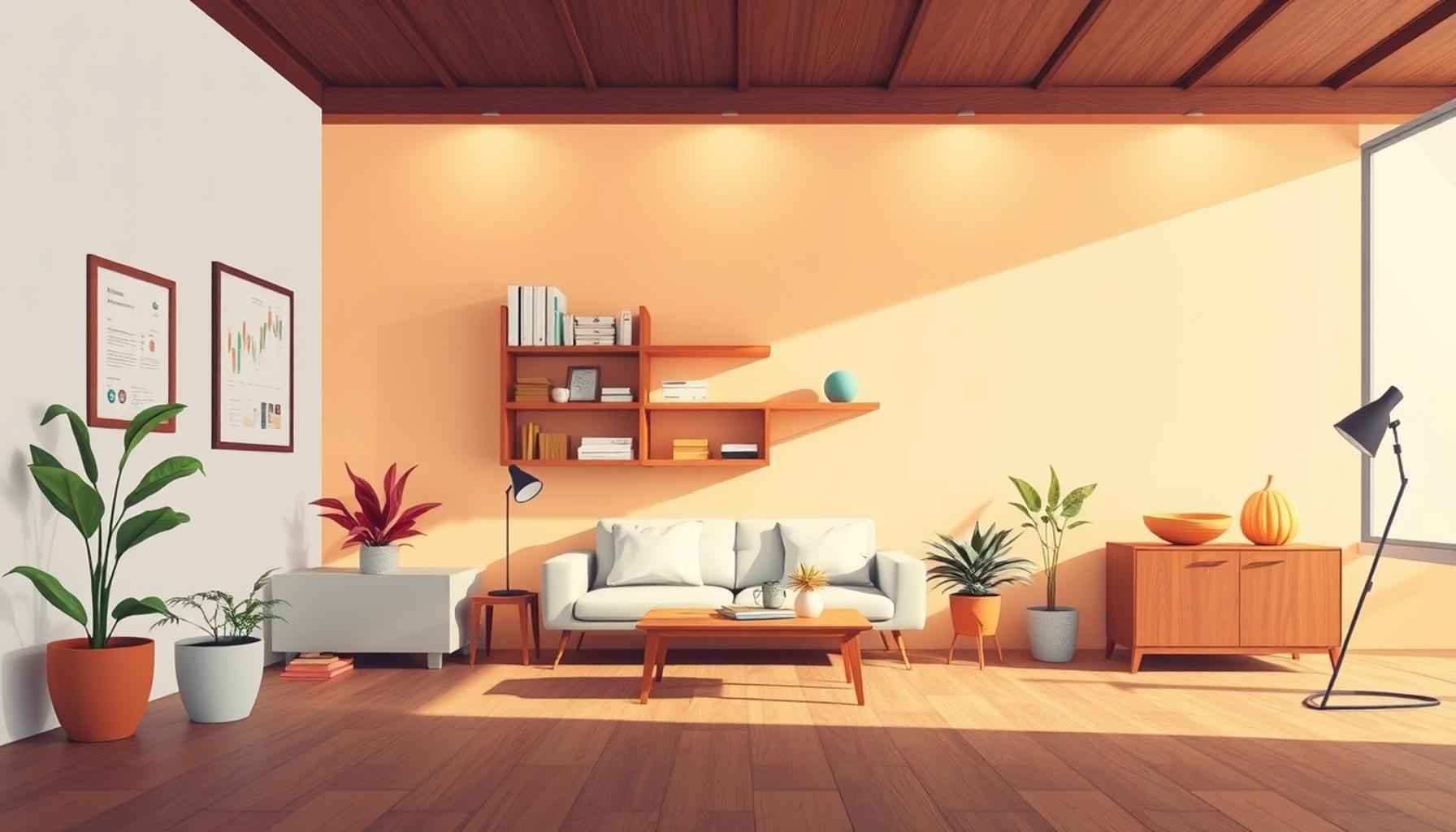
Another essential aspect of space optimization is the concept of vertical space utilization. By employing floating shelves or wall-mounted storage, homeowners can maintain an open floor plan while showcasing decorative items or keeping essentials within reach. This method not only beautifies the environment but also promotes ease of organization.
Furthermore, the color palette plays a crucial role in creating an expansive feel in minimalist spaces. Light, neutral tones can reflect more natural light, making areas appear larger and more inviting. Incorporating plants can also add vitality and warmth, enhancing the connection between nature and living spaces.
Ultimately, the art of detachment in space optimization fosters a serene lifestyle, one that prioritizes well-being by nurturing tranquility and simplicity. Embracing this principle can greatly improve one’s mental clarity and overall satisfaction in daily living environments. So, are you ready to explore the endless possibilities of transforming your space?
| Category | Advantages |
|---|---|
| Multifunctional Furniture | Maximizes space usage while minimizing clutter. |
| Vertical Space Utilization | Enhances openness and organization in compact areas. |
By embracing these strategies within the framework of minimalism, individuals can enjoy a significantly enriched lifestyle. Dive deeper into the art of detachment and discover how to create a space that reflects both style and serenity.
DIVE DEEPER: Click here to discover how minimalism can enhance your mindfulness
The Practicalities of Space Optimization
While the emotional journey of detachment is fundamental, the tangible benefits of space optimization cannot be overlooked. At its core, space optimization allows individuals to maximize their living areas, making them more functional and aesthetically pleasing. A well-optimized environment not only serves everyday purposes but also enhances the overall quality of life.
One of the most effective strategies for space optimization involves the implementation of multi-functional furniture. As urban living spaces continue to shrink, especially in cities like New York and San Francisco, the demand for versatile furnishings is greater than ever. For example, a sleeper sofa can transform your living room into a guest bedroom with minimal effort, while an ottoman that doubles as storage can help keep clutter at bay. This shift towards dual-purpose items allows individuals to create a more efficient layout without compromising comfort or style.
Another crucial aspect is the organization of belongings through strategic storage solutions. Utilizing vertical space, such as wall-mounted shelves or pegboards, allows individuals to reclaim precious floor space that might otherwise be consumed by bulky furniture. This is particularly relevant in smaller homes, where every inch counts. Furthermore, organizing tools like baskets, bins, and drawer dividers not only keep spaces tidy but also enhance accessibility, making it simpler to find what you need without sifting through piles of clutter.
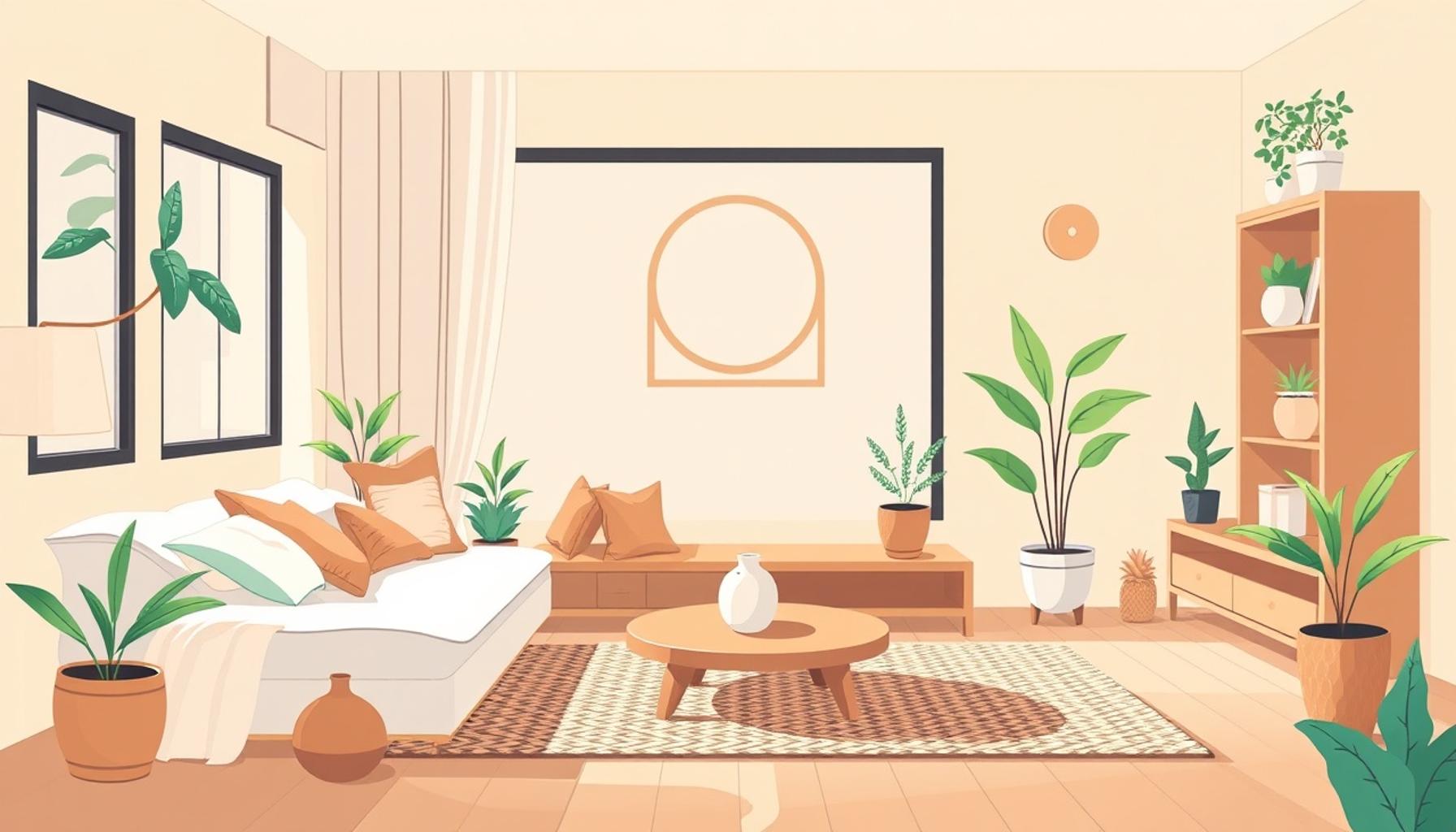
Moreover, natural light plays a significant role in the overall ambiance of a minimalist environment. Maximizing light can create an illusion of more space, as well as a sense of openness and tranquility. Utilizing sheer curtains, strategically placing mirrors, or opting for lighter color palettes can help reflect light and brighten up a room. Incorporating plants into a minimalist design also enhances both air quality and aesthetic appeal. The presence of greenery adds a vital connection to nature, invoking feelings of peace and calmness. This fusion of nature with minimalist décor can evoke profound positivity in residents while illustrating the impact of mindful choices in shaping their living spaces.
The psychological benefits of a well-optimized space extend beyond mere aesthetics. Studies reveal that a tidy and organized environment correlates with reduced stress levels and improved focus. This could be particularly impactful for remote workers who face challenges in maintaining productivity at home. Creating a designated workspace, devoid of distractions and clutter, lends itself to heightened concentration and efficiency. For example, a simple desk setup with minimal accessories promotes a clear mind, allowing for enhanced creativity and performance.
The art of detachment and space optimization also significantly influences our consumer behaviors. Emphasizing the idea of purchasing less and choosing quality over quantity encourages individuals to invest in sustainable products that align with their minimalist lifestyle. As the demand for eco-friendly furnishings grows, companies are increasingly focusing on craftsmanship and sustainability, thus contributing to a culture of mindful consumption that resonates with the principles of minimalism.
In conclusion, the integration of space optimization techniques is vital within the framework of minimalist living. By utilizing innovative storage solutions, multi-functional furniture, and embracing natural elements, individuals can create harmonious environments that reflect their values and priorities. It is through this conscientious approach that the experience of detachment can flourish, leading to a more fulfilling and balanced existence.
DISCOVER MORE: Click here to simplify your routine
Finding Balance in Minimalist Living
In an age where the hustle and bustle of everyday life often leads to overwhelming clutter, the practice of detachment complemented by space optimization emerges as a powerful antidote. Embracing a minimalist lifestyle entails more than just paring down belongings; it nurtures a deeper appreciation for the space we inhabit and the quality of life we aspire to achieve. By prioritizing multi-functional furniture and strategic storage solutions, individuals can cultivate environments that are both functional and aesthetically pleasing.
The integration of natural light and greenery further enriches these spaces, blending beauty with psychological benefits that enhance everyday living. Studies affirm that a harmonious and organized environment significantly reduces stress levels, motivating individuals, particularly remote workers, to focus and foster creativity. With each mindful choice, from décor to furnishings, we not only optimize our living spaces but also reflect a commitment to sustainability—encouraging thoughtful consumption rather than consumerism.
As more individuals explore this journey of detachment, they unlock the potential for a more meaningful existence, where their surroundings become a true reflection of their values. The art of space optimization is not merely about creating a visually appealing environment; it is about paving the way for greater peace, clarity, and purpose. In embracing these principles, we can transform our homes and, ultimately, our lives, fostering a lasting impact that resonates well beyond the walls of our living spaces.