
Minimalist Living Spaces: Transforming Environments through Reduction and Focus
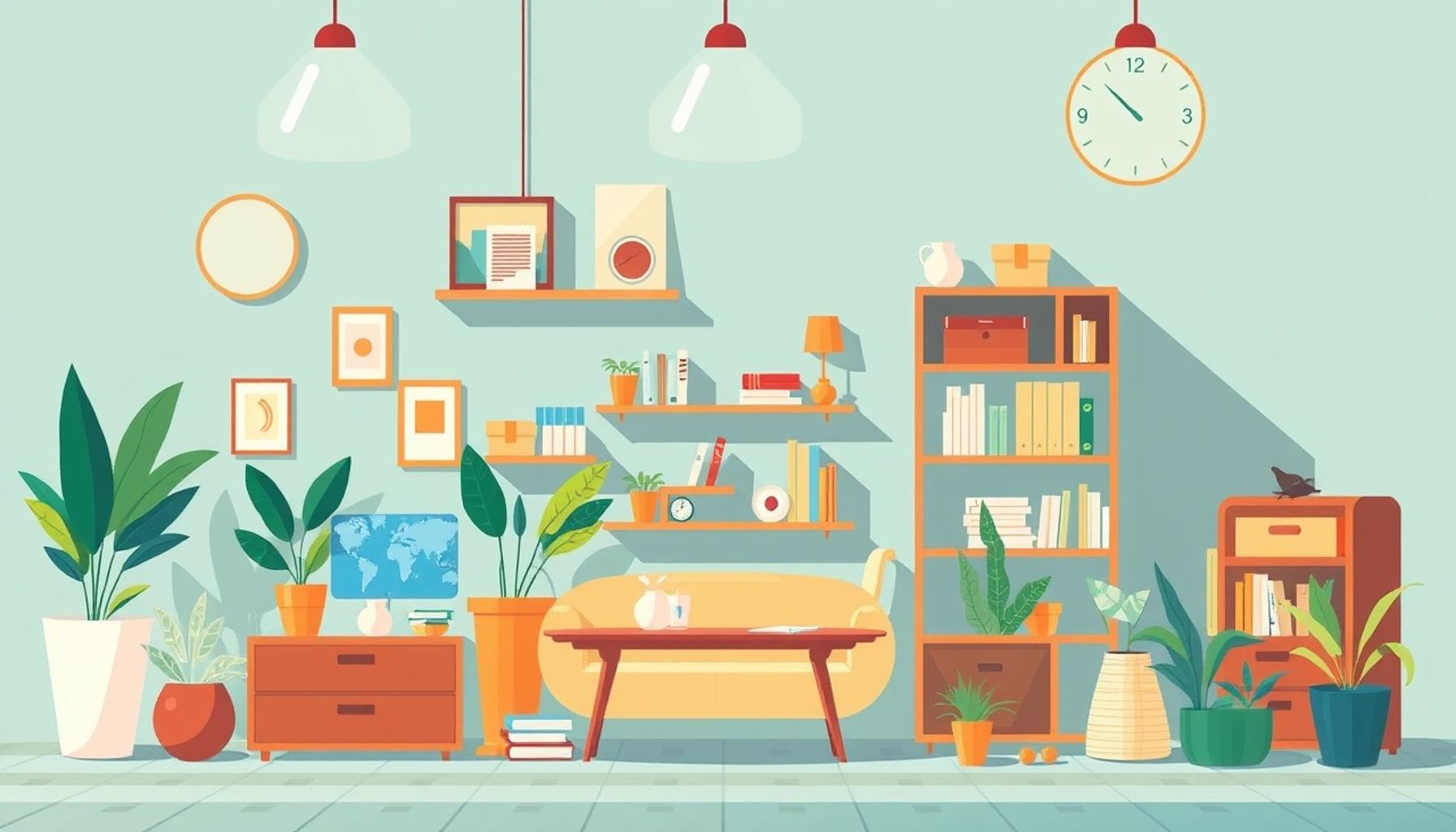
Understanding Minimalist Living Spaces
In an era littered with incessant notifications and noise, minimalist living spaces present a sanctuary of serenity and order. The aesthetic and functional principles of minimalism provide not merely a physical escape but also a pathway to improved mental well-being. For many, the pursuit of minimalism leads to a more intentional lifestyle where the selection of each item is derived from genuine need rather than arbitrary desire.
Key Features of Minimalist Environments
At the heart of minimalist living lie several defining characteristics:
- Decluttered areas that prioritize functionality: These spaces eliminate anything non-essential, thereby fostering an atmosphere where each item serves a purpose and adds value to daily life. By decluttering surfaces, individuals often find themselves more at ease in their environments.
- Neutral color palettes creating calming atmospheres: Light whites, soft grays, and earthy tones contribute to a sense of calm. For instance, a living room painted in shades of beige paired with natural wood accents can evoke tranquility, inviting relaxation and peace after a hectic day.
- Natural light that enhances the sense of openness: Optimizing the use of windows and open spaces helps to bring nature indoors, reducing the feeling of confinement common in cluttered environments. Sunlight plays a crucial role in elevating mood and boosting overall well-being.
- Multi-functional furniture that maximizes space: For urban dwellers often facing limited space, items like a sofa bed or a coffee table with storage compartments fulfill multiple functions, making a home both practical and stylish.
The Benefits of Embracing Minimalism
Research has indicated that adopting a minimalist lifestyle can yield numerous advantages. By cultivating an uncluttered environment, individuals often experience:
- Increased productivity due to a more organized space: A clean desk free from unnecessary items can significantly enhance focus while working or studying. This leads to the completion of tasks more efficiently and with less mental distraction.
- Reduced stress levels from a calmer environment: Clutter can often lead to feelings of anxiety. Simple spaces promote relaxation, making it easier to unwind and recharge.
- Enhanced creativity as focus sharpens: A minimalist setting encourages clarity of thought. Artists and writers, for example, may find that a simplified environment inspires deeper creativity, allowing ideas to flow unimpeded by physical chaos.
A Journey of Self-Discovery
The journey toward establishing a minimalist home often leads individuals to profound realizations about their personal priorities and values. As they begin to assess which items genuinely contribute to their happiness, many discover that a smaller footprint can lead to richer, more meaningful lives. Whether by downsizing or reimagining existing spaces, those who explore minimalism may uncover a newfound appreciation for both simplicity and their environments.
This exploration not only involves physical space but also prompts reflection on personal consumption habits and overall lifestyle choices. Through embracing minimalism, many have embarked on a transformative path toward mindful living, inviting greater awareness into their daily routines and choices.
DISCOVER MORE: Click here to delve deeper
Creating Spaces for Clarity and Balance
The essence of minimalist living spaces is not merely about reducing clutter; it’s a philosophy that embraces clarity and balance, both in the physical environment and the mind. By consciously selecting what to keep and what to eliminate, individuals can create surroundings that foster a sense of calm and purpose. This balance is crucial in today’s fast-paced society, where distractions abound and mental clarity often feels just out of reach.
The Psychological Impacts of Minimalism
Research shows that our environments have a substantial effect on our state of mind. When individuals curate their living spaces thoughtfully, they not only enhance the aesthetic appeal but also significantly impact emotional well-being. Here are a few psychological benefits associated with adopting a minimalist lifestyle:
- Enhanced focus: Studies indicate that clutter can contribute to cognitive overload. By minimizing distractions in their surroundings, people often experience improved concentration, allowing them to engage more fully in tasks at hand, whether that be working from home or enjoying leisure activities.
- Improved emotional health: A clean and simple environment can evoke feelings of safety and peace. Minimalism tends to reduce anxiety by eliminating visual chaos, which can otherwise trigger stress in individuals.
- Fostering intentional living: The process of decluttering encourages people to connect with their belongings on a deeper level. When each item in a space holds significance, individuals may experience a heightened sense of gratitude and mindfulness in their daily lives.
Embracing Functional Design
Furthermore, the principles of minimalist design encourage the use of functional furnishings that serve multiple purposes. This approach not only maximizes space but also promotes a seamless flow within homes. For example, a dining table can double as a workspace, or ottomans may provide both seating and storage. Such choices reflect a growing trend where functionality takes precedence over mere aesthetics, aligning with the core tenets of minimalist living.
Moreover, the integration of sustainable materials into minimalist spaces is becoming increasingly popular. Natural elements such as wood, stone, and cotton not only contribute to a calming effect but also connect inhabitants back to nature, which is often absent in modern urban settings. The incorporation of plants can further enhance this connection, providing both air purification and a burst of organic beauty.
Transforming Spaces, Transforming Lives
The transition to a minimalist living space is more than just an aesthetic choice; it heralds a lifestyle transformation that can lead to greater clarity and fulfillment. As individuals embark on this journey, they often find themselves reevaluating priorities, shedding unneeded burdens, and embracing a more simplified approach to life. Such transformations invite numerous possibilities, making room for personal growth, deeper connections, and enhanced creativity.
In an age where materialism often reigns, adopting minimalist principles may feel countercultural yet profoundly liberating. By consciously engaging in this practice, individuals can rediscover the power of simplicity, allowing their living environments to mirror their desires for peace, productivity, and purpose.
Exploring Minimalist Living Spaces
In today’s fast-paced world, the appeal of minimalist living spaces has surged. This design philosophy emphasizes decluttering and simplicity, allowing individuals to focus on what truly matters in their lives. By embracing reduction, minimalist design not only encourages a clearer physical space but also cultivates mental clarity.
| Advantage | Description |
|---|---|
| Increased Focus | By removing distractions, minimalism enhances concentration, aiding productivity and mental clarity. |
| Reduced Stress | A decluttered space promotes a peaceful environment, significantly lowering stress levels. |
Additionally, minimalist living promotes sustainable choices. By carefully selecting quality items over quantity, inhabitants contribute to a more eco-friendly lifestyle. This conscious consumerism leads to a reduction in waste and fosters a deeper appreciation for the environment.
Design Elements of Minimalist Spaces
Key elements of minimalist design include open floor plans, neutral color palettes, and multifunctional furniture. These components not only maximize space but also enhance the aesthetic while remaining functional. Emphasizing natural light and simplicity can maximize the tranquility within these environments.
As you delve deeper into minimalism, you will discover numerous resources and inspiration that can help transform your living space, allowing you to enjoy the profound benefits of a simplified lifestyle.
DISCOVER MORE: Click here to delve deeper
Redefining Personal Space through Minimalism
Embracing a minimalist lifestyle extends beyond mere organization; it’s about redefining personal space in a manner that enhances daily routines and reflects individual values. As more people opt for smaller living arrangements—such as tiny homes or studio apartments—the principles of minimalism have become essential in crafting environments that are both functional and aesthetically pleasing.
The Rise of Tiny Living
The tiny house movement is a noteworthy embodiment of minimalist ideals, representing a growing shift toward downsizing and simplified living. According to a study by the National Association of Realtors, nearly 63% of Americans report that they would consider living in a tiny home, indicating a fascinating transformation in housing preferences. These diminutive dwellings are often designed with efficiency in mind, incorporating innovative storage solutions and multipurpose furniture to maximize utility within a limited footprint. For example, built-in shelves and foldable tables are common features that help create open, airy spaces despite their small square footage.
Intentionality in Decor
Minimalism also champions intentionality in decor. Each piece selected for the home should serve a purpose and enhance the living experience. This doesn’t imply a stark or sterile feel; rather, it encourages incorporating only those items that ignite joy or fulfillment. The trending practice of ‘KonMari’—popularized by Marie Kondo—promotes this thoughtful selection process, urging individuals to ask themselves if an item brings them joy before committing it to their space.
Color palettes in minimalist spaces typically lean toward soft, muted tones that promote tranquility. Shades of white, beige, and soft pastels create a harmonious backdrop, alongside occasional bolder accents that add depth without overwhelming the senses. This use of color complements the overarching goal of reducing visual clutter, enabling a smoother cognitive flow that aligns with the principles of minimalism.
Community and Connection in Minimalist Living
As individuals adopt minimalist lifestyles, another crucial aspect is the sense of community that often emerges. Minimalism emphasizes sharing resources—be it through co-living spaces or community-driven initiatives focused on sustainability. These arrangements not only reduce individual consumption but also foster meaningful connections among individuals who share similar values. Living in such an environment cultivates a sense of belonging, creating opportunities for collaboration and mutual support.
- Co-Living Spaces: Increasingly popular, these shared living arrangements allow residents to enjoy communal living while keeping personal spaces minimal and manageable. Often designed with communal kitchens, workspaces, and shared recreational areas, co-living enhances social engagement.
- Resource Sharing: Initiatives such as tool libraries and community gardens promote the sharing of goods and experiences, thereby reducing waste and encouraging collaboration among neighbors. This sense of shared responsibility reflects a core value of minimalism: the focus on community over ownership.
This blend of simplicity and community living reflects the evolving definition of home—not as a collection of possessions but as a curated space that nurtures meaningful relationships and personal growth. In essence, minimalist living spaces act as catalysts for transformative experiences, allowing individuals to focus on what truly matters in their lives.
DISCOVER MORE: Click here to learn how simplicity boosts creativity and productivity
Conclusion: The Lasting Impact of Minimalist Living Spaces
In a world increasingly defined by excess and consumerism, the choice to embrace minimalist living spaces offers a powerful counter-narrative. By advocating for reduction and focus, minimalism serves as a pathway to cultivate environments that enhance our quality of life while fostering deeper connections with ourselves and others. As seen in the rise of tiny living, individuals are motivated to reevaluate what constitutes a home and how they can create spaces that reflect their true values.
The intentionality behind decor choices not only brings joy but also eliminates clutter, creating an atmosphere conducive to mindfulness. Moreover, the communal aspects of minimalism underscore the importance of collective responsibility and environmental sustainability, showing that less can indeed lead to more—more happiness, more community, and more fulfillment.
As the minimalist movement gains traction across the United States and beyond, it becomes clear that this lifestyle is more than a fleeting trend; it is a crucial response to the complexities of modern living. Whether it’s through co-living arrangements, resource-sharing initiatives, or simply the art of decluttering, the principles of minimalism encourage us to focus on what truly matters. Ultimately, the essence of minimalist living spaces lies not just in the physical environment but in the transformative power they hold to redefine our lives, allowing us to pursue meaningful, thoughtful living in an ever-evolving world.