Integrating a Growth Mindset in Education: Strategies to Build Resilience in Students
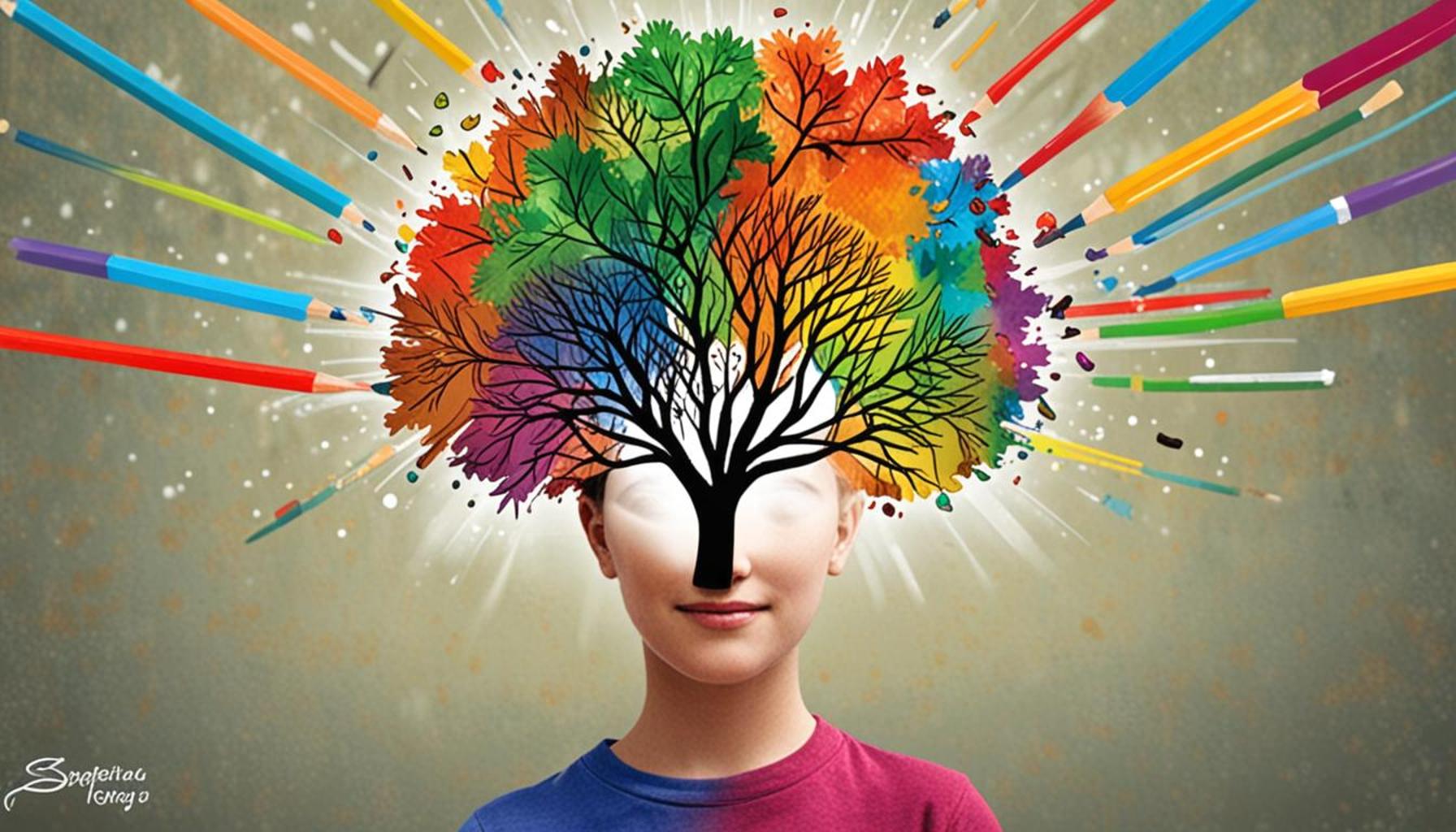
The Importance of a Growth Mindset in Modern Education
The landscape of education is evolving rapidly, pushing teachers to rethink their approaches and methodologies in preparing students for the myriad of challenges ahead. Central to this evolution is the concept of a growth mindset, which posits that abilities and intelligence are not fixed traits but can be developed through dedication and hard work. This philosophy plays a pivotal role in shaping resilient individuals capable of navigating the complexities of modern life.
Extensive research underlines the advantages of cultivating a growth mindset among students, indicating that those who embrace this idea are more likely to:
- Embrace challenges, viewing them as opportunities rather than obstacles, which can lead to significant personal and academic growth.
- Persist through difficulties, actively seeking and learning from feedback, rather than succumbing to frustration or giving up when faced with setbacks.
- Explore new strategies when confronted with hurdles, enhancing their problem-solving skills and adaptability.
To effectively incorporate a growth mindset into classroom environments, educators can adopt several proven strategies. These include:
- Encouraging open dialogue about both failures and successes can demystify the learning process. When students feel safe discussing setbacks, they are more likely to learn valuable lessons from them.
- Modeling resilience involves sharing personal experiences where educators themselves faced challenges and overcame them. This not only humanizes educators but also serves as a powerful lesson in perseverance for students.
- Providing constructive feedback that focuses on areas for growth rather than just highlighting mistakes can dramatically alter how students perceive their efforts and capabilities.
Implementing these strategies is more than just an academic exercise; it is about fostering emotional and psychological strength in young learners. As schools across the United States increasingly aim to develop the whole child, understanding how to effectively instill a growth mindset remains critical.
Moreover, the integration of a growth mindset aligns closely with the demands of the 21st century, where adaptability, innovation, and resilience are highly prized traits in a rapidly changing job market. By addressing these educational needs, we contribute to shaping a generation of resilient, adaptable leaders who are not just equipped for academic success but prepared for the diverse challenges of the future.

DIVE DEEPER: Click here to enhance your personal growth
Practical Strategies for Fostering a Growth Mindset in the Classroom
Creating an environment conducive to a growth mindset does not happen overnight; it requires deliberate and consistent efforts from educators. Here are several effective strategies that can be seamlessly woven into daily classroom activities to help students cultivate resilience and embrace the principles of a growth mindset.
1. Cultivating a Safe Learning Environment
One of the first steps in integrating a growth mindset is to foster a classroom atmosphere where students feel safe to express their thoughts and ideas freely. Teachers can encourage students to share their experiences with failure and success through guided discussions. This can be done through regular class reflections or even anonymous sharing platforms where students can discuss their challenges. Emphasizing that mistakes are a natural part of the learning process not only normalizes struggle but also encourages students to approach their academic journeys with curiosity rather than fear.
2. Implementing Goal-Setting Initiatives
Goal-setting is a powerful way to channel a growth mindset. Educators can guide students in setting both short-term and long-term goals that are specific, measurable, achievable, relevant, and time-bound (SMART). By breaking down larger objectives into manageable steps, students can experience incremental achievements that bolster their confidence. Educators can facilitate this process through:
- Individual reflection sessions to help students identify their personal learning objectives.
- Peer accountability groups that allow students to share their goals with classmates and track progress together.
- Regularly revisiting and revising goals based on feedback and self-assessment, thereby teaching students the importance of adaptability.
3. Emphasizing Effort Over Outcome
To shift students’ focus from the results of their work to the effort they put in, educators can incorporate phrases such as, “I appreciate the hard work you put into this project” instead of merely praising the final result. This subtle shift in language can dramatically influence how students perceive their own abilities. It fosters a culture where effort is valued, and students are more likely to tackle challenges with resilience. By publicly celebrating instances of growth and improvement, teachers can further reinforce this principle.
4. Creating a Collaborative Learning Space
Collaboration among students is crucial in promoting resilience. Group projects and peer-to-peer learning opportunities encourage students to learn from one another and share diverse perspectives on problem-solving. Through collaboration, students can witness firsthand how collective effort leads to greater understanding and achievements. They learn that the path to success can be a shared journey, where challenges can be tackled together. This communal aspect builds a sense of community that often strengthens individual resolve.
By adopting these strategies, educators can play a significant role in molding resilient students who view challenges as opportunities for growth. As the next generation faces an unpredictable future, instilling a growth mindset is not just important; it is essential for nurturing adaptable learners ready to embrace the complexities ahead.
| Strategy | Benefits |
|---|---|
| Encouraging Risk-Taking | Students learn that failure is a part of growth, allowing them to embrace challenges rather than avoid them. |
| Modeling Resilience | Teachers sharing their own struggles instills a sense of normalcy regarding setbacks, fostering a supportive learning environment. |
| Promoting Positive Self-Talk | Encouraging students to use affirmations boosts self-esteem, enabling them to face academic challenges confidently. |
| Setting Incremental Goals | Breaking down tasks into smaller goals creates a sense of achievement and accountability, motivating students to progress effectively. |
Integrating these strategies within educational frameworks is essential for cultivating a growth mindset. Understanding the benefits associated with each approach provides valuable insight into developing resilience in students. As students learn to embrace challenges, model resilience, practice positive reinforcement, and set achievable goals, they develop essential life skills that extend beyond the classroom. These skills are crucial as they prepare young learners for a rapidly changing world, where adaptability and persistence are paramount. By fostering an environment that champions these qualities, educators can inspire future generations to achieve their full potential.
EXPLORE MORE: Click here to discover the power of continuous learning
Leveraging Technology and Resources to Support a Growth Mindset
In today’s digital age, the integration of technology in education offers unique opportunities to reinforce a growth mindset. With the right tools, educators can create interactive and personalized learning experiences that motivate students to develop resilience and adaptability in facing challenges. Here are several ways to leverage technology and additional resources effectively.
1. Utilizing Educational Software and Apps
A plethora of educational software and mobile applications is available to assist students in honing their skills while embracing a growth mindset. Programs like Edmodo or Kahoot! enable teachers to conduct engaging quizzes that not only test knowledge but also promote collaborative learning. Furthermore, platforms like Duolingo allow students to practice languages at their own pace, encouraging the understanding that progress is often gradual and that persistence is key to mastery.
2. Incorporating Gamification in Learning
Gamification is an innovative method of integrating game mechanics into educational tasks, which can boost student motivation significantly. By setting up challenge-based learning activities where students earn points for completing tasks or overcoming specific challenges, teachers can instill a sense of achievement that stems from effort and persistence. Research has shown that gamification can lead to increased student engagement and improved learning outcomes. This can involve using physics simulation games or math-related puzzles where students must apply concepts learned in class to achieve their goals, emphasizing that best results follow continuous improvement, not overnight success.
3. Offering Access to Online Learning Communities
The web is rife with online communities that support learners in a collaborative and inclusive environment. Forums such as Edutopia or the Teachers Pay Teachers marketplace offer resources and opportunities for teachers to share best practices and engage with one another about growth mindset strategies. By connecting students with other learners from around the world through platforms like Skype in the Classroom, schools can encourage peer learning and cultivate an appreciation for different perspectives in problem-solving.
4. Encouraging Self-Directed Learning through Online Resources
Websites like Khan Academy and Coursera provide a wealth of knowledge and courses that empower students to take charge of their own learning journeys. With access to diverse subjects and levels of difficulty, students can explore personal interests, challenge themselves with new material, and learn at their own pace. This autonomy fosters a mindset centered around growth and resilience, encouraging students to pursue excellence without the fear of failure.
5. Utilizing Data Analytics for Personalized Feedback
Incorporating data analytics into education allows for personalized feedback tailored to student needs. By using platforms that track student progress and provide real-time insights, teachers can identify areas where students may struggle and offer targeted support. For instance, adaptive learning technologies can adjust the difficulty of tasks according to the student’s mastery level. This immediate feedback loop cultivates resilience, as students are continually encouraged to recognize their growth on a more granular level and understand that learning is an ongoing process.
By effectively leveraging technology and available resources, educators can nurture an environment that champions a growth mindset. These methods empower students not only to overcome obstacles but also to appreciate the transformative power of persistence in their academic pursuits. As educational practitioners adopt these innovative approaches, they significantly contribute to shaping a resilient and adaptable generation of learners in a rapidly changing world.
DIVE DEEPER: Click here to learn about the power of a growth mindset
Conclusion: Fostering a Growth Mindset for Lifelong Success
Integrating a growth mindset in education is not merely a trend but a vital component of developing resilient students who can thrive in an ever-evolving world. The strategies discussed within this article—from leveraging technology to fostering self-directed learning—cultivate an atmosphere where students understand that effort and perseverance are key to overcoming challenges. By utilizing tools like educational software, gamification, and online communities, educators can transform traditional learning environments into interactive spaces that celebrate the journey of growth, rather than the mere attainment of grades.
It is also essential to recognize the role of data analytics in providing tailored feedback, allowing students to see their progress and areas for improvement. When students can measure their advancements through real-time assessments, they are more likely to embrace challenges and view failures as stepping stones to success. This continuous feedback loop not only enhances resilience but also instills a lifelong love for learning.
Ultimately, the commitment to instilling a growth mindset must be a collaborative effort involving educators, students, and parents alike. By fostering an appreciation for the learning process, we empower the next generation to approach their academic and personal challenges with determination and an open heart. As we navigate the complexities of modern education, let us champion resilience and adaptability in our students, equipping them with the skills necessary to flourish in the future.
Related posts:
The Connection between Resilience and Adaptability: Growth Mindset Techniques for Navigating Changes...
Transforming Challenges into Success: The Intersection of Resilience and Growth Mindset in Professio...
Developing Resilience in the Workplace: Growth Mindset Practices for Professionals in High-Pressure ...
Cultivating Resilience in Communities: The Role of Growth Mindset in Overcoming Collective Adversiti...
Building Resilience Growth Mindset Strategies to Overcome Adversity
Growth Mindset Techniques to Boost Emotional Resilience in Kids

Linda Carter is a writer and growth mindset specialist with expertise in cognitive development and resilience training. With extensive experience helping individuals transform limiting beliefs and unlock their potential, she shares practical mindset strategies on our platform. Her goal is to empower readers with science-backed techniques to cultivate adaptability, embrace challenges, and achieve continuous personal and professional growth.