
How to Choose the Ideal Sunscreen for Your Skin Type

Exploring the Importance of Sunscreen in Skincare
In today’s world, the relevance of sunscreen cannot be overstated, particularly as awareness of skin health increases. Harmful UV rays emitted by the sun can lead to a range of issues including premature aging, sunburn, and increased risk of skin cancers. As such, understanding how to protect your skin with the appropriate sunscreen is an investment in your long-term skin health.
With countless options flooding the market—from lotions and sprays to gels and sticks—the selection process may seem daunting. Yet, simplifying your choices becomes possible when you focus on essential factors that directly correlate with your skin type and needs.
- Skin Type: Each individual’s skin reacts differently to sun exposure. For example, those with oily skin may benefit from a lightweight, oil-free sunscreen that has a matte finish to prevent breakouts. Conversely, individuals with dry skin might opt for a moisturizing formulation with additional hydrating ingredients like hyaluronic acid or glycerin.
- SPF Level: A common misconception is that higher SPF is always better. However, the FDA recommends using a sunscreen with at least SPF 30, which blocks approximately 97% of UVB rays. It’s crucial to remember that no sunscreen can block 100% of these rays, hence regular reapplication is vital.
- Broad Spectrum Protection: A broad-spectrum sunscreen offers defense against both UVA rays, which are primarily responsible for skin aging, and UVB rays, the main cause of sunburn. Products labeled as “broad spectrum” ensure comprehensive protection.
- Ingredients: Sunscreens come in two forms: chemical and physical (or mineral). Chemical sunscreens utilize organic compounds like avobenzone or octinoxate to absorb UV radiation. In contrast, physical sunscreens contain active mineral ingredients like zinc oxide or titanium dioxide that reflect UV rays. Individuals with sensitive skin may prefer physical sunscreens as they are less likely to cause irritation.
Investing time to understand these components not only aids in choosing the right sunscreen but also demystifies how they function. For instance, knowing that physical sunscreens start protecting immediately upon application compared to chemical ones, which often require 15 to 30 minutes to become effective, can significantly impact your sun safety routine.
Regional weather can influence sunscreen use as well. States like California and Florida experience strong sunshine year-round, making regular sunscreen application essential even in winter. Planning leisurely beach days or outdoor activities during peak sun hours further necessitates adequate protection. By evaluating your skin type, lifestyle, and sunscreen preferences, you can make informed decisions that promote healthy, glowing skin throughout the year.
LEARN MORE: Click here to discover essential facts about sunscreen and skin cancer prevention</
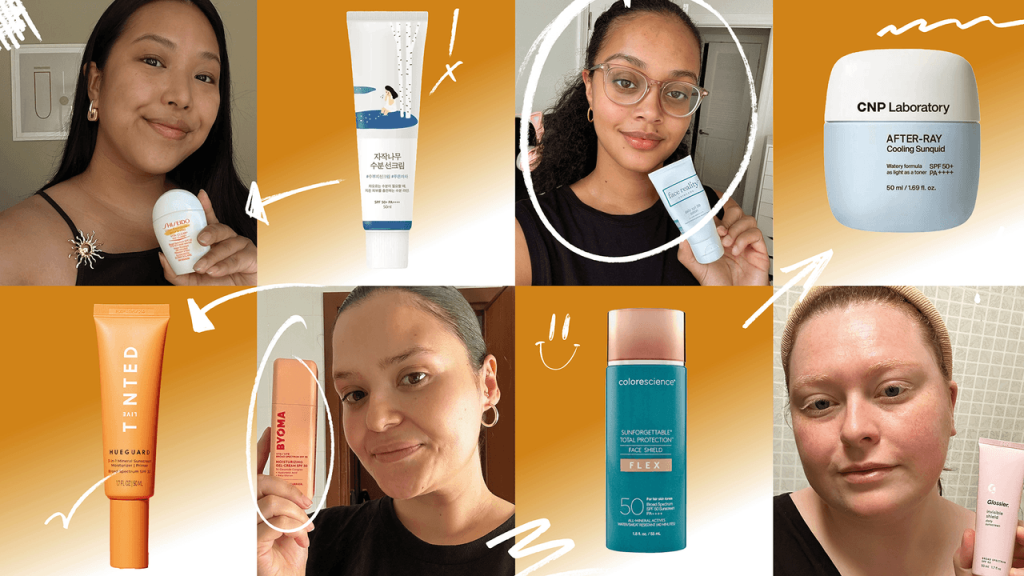
Understanding Your Skin Type and Its Needs
Choosing the right sunscreen starts with a solid understanding of your skin type. Everyone’s skin has unique characteristics and needs, which can guide your decision-making when faced with an overwhelming variety of products. Here’s a breakdown of common skin types and what to look for in your sunscreen:
- Oily Skin: If you struggle with shine and breakouts, look for oil-free formulations that provide a matte finish. Gel-based or liquid sunscreens are often best suited for oily skin since they are lightweight and absorb quickly without leaving a greasy residue. Ingredients like salicylic acid can help prevent acne.
- Dry Skin: For those with dry skin, the goal is to hydrate while protecting. Creams with added moisturizing ingredients such as glycerin or hyaluronic acid can help maintain your skin’s moisture barrier. Choose a sunscreen that is thick and provides a dewy finish, as these usually offer additional hydration.
- Sensitive Skin: Individuals with sensitive skin may experience irritation from harsh chemicals found in many sunscreens. Opt for physical (mineral) sunscreens containing zinc oxide or titanium dioxide, which are less likely to cause adverse reactions. Always look for products labeled as fragrance-free and hypoallergenic.
- Combination Skin: This skin type requires a versatile sunscreen. Look for a product that balances hydration without being too greasy. Lightweight creams or sprays that cater to both dry and oily areas can be your best bet.
Your lifestyle also plays a critical role in choosing the ideal sunscreen. Are you someone who spends long hours outside, or do you primarily work indoors? If you’re outdoors for extended periods, consider a waterproof formula that can withstand sweat and water. Alternatively, if you’re mainly in an office environment, a lighter cream with a lighter SPF factor may suffice, maintaining protection without feeling heavy on your skin throughout the day.
Additionally, understanding the ingredients in sunscreens can help you make informed choices. Some sunscreens contain potentially harmful ingredients like oxybenzone, which has raised concerns regarding its effects on coral reefs and potential hormonal impacts. Checking for reef-safe options can not only safeguard your skin but also be better for the environment.
By assessing your individual skin type and understanding your daily activities, you can narrow down the options to find a sunscreen that not only protects but also cares for your skin’s unique needs. The right sunscreen acts as a shield against harmful UV rays while complementing your skincare routine, allowing you to enjoy the sun responsibly.
Understanding Your Skin Type
Choosing the right sunscreen goes beyond simply picking a bottle off the shelf. It requires a deep understanding of your skin type to maximize protection against harmful UV rays. Your skin type can be categorized into several groups including oily, dry, sensitive, and combination, each requiring specific attributes in a sunscreen for optimal efficacy.
Oily Skin
If you have oily skin, look for sunscreens labeled as oil-free or non-comedogenic. These formulations typically contain lighter textures such as gels or lotions, ensuring your skin remains matte while protecting it from UV radiation. Ingredients like salicylic acid can also help control excess oil production.
Dry Skin
For those with dry skin, opt for sunscreens enriched with hyaluronic acid or glycerin. A thicker, creamy sunscreen can provide much-needed moisture while delivering adequate sun protection. Look for terms like hydrating or moisturizing on the label to ensure your skin stays nourished.
Sensitive Skin
If sensitivity is a concern, choose a mineral sunscreen containing zinc oxide or titanium dioxide. These ingredients sit on the skin’s surface and reflect UV rays without causing irritation, making them ideal for delicate skin types. Additionally, fragrance-free and hypoallergenic formulations can further reduce the risk of skin reactions.
Combination Skin
For combination skin, you may want a broad-spectrum sunscreen that offers moisture without feeling heavy. Lightweight lotions or whipped creams that hydrate dry areas while keeping oily zones in check can be beneficial. Pay attention to labels and test small amounts to find the perfect balance.
Understanding your skin type and selecting the appropriate sunscreen formulation is crucial in protecting your skin from sun damage. Don’t forget, the SPF rating is important; opt for a minimum of SPF 30, and always ensure broad-spectrum protection to shield against both UVA and UVB rays.
Table: Advantages of Sunscreens for Different Skin Types
| Skin Type | Sunscreen Benefits |
|---|---|
| Oily Skin | Oil-free formulas that maintain a matte finish. |
| Dry Skin | Rich moisturizers that combat dryness and provide sun protection. |
| Sensitive Skin | Mineral-based options that reduce irritation risks. |
| Combination Skin | Balanced formulas that suit both oily and dry areas. |
Each of these formulations plays a critical role in protecting your skin from the sun’s damaging rays. By tailoring your selection to your specific skin concerns, you’ll not only safeguard your health but also keep your skin looking radiant.
DISCOVER MORE: Click here to learn about essential sun protection
Choosing the Right SPF and Broad-Spectrum Protection
Once you’ve identified your skin type and narrowed down the options, the next step is to determine which SPF (Sun Protection Factor) you need. SPF measures the effectiveness of sunscreen in protecting against UVB rays, which are responsible for sunburn and contribute to skin cancer. According to the American Academy of Dermatology, it’s advisable to choose a sunscreen with an SPF of at least 30, as it blocks approximately 97% of UVB rays. For individuals with fair skin, a higher SPF could provide an additional safety margin.
However, SPF is just one part of the equation. To ensure comprehensive protection, opt for a sunscreen that offers broad-spectrum defense. This type of sunscreen protects against both UVA and UVB rays. UVA rays can prematurely age the skin and contribute to skin cancer as well. Look for labels that specifically state “broad-spectrum” to guarantee that you are shielded from both types of harmful radiation.
Water Resistance: Is It Necessary?
If you lead an active lifestyle or live in warm climates, choosing a water-resistant sunscreen is essential. These formulations are designed to maintain their SPF protection for a specified duration while you sweat or swim—usually either 40 or 80 minutes. Remember that even water-resistant sunscreens need to be reapplied regularly, especially after sweating or towel-drying. A common mistake many make is assuming they can apply a sunscreen once and be protected all day. Reapplication is key to maintaining hydration and protection.
For those who spend significant time in the sun, consider using sprays or sticks for easy application, especially on areas that might be trickier to reach, like your back. Nevertheless, if you are using a spray sunscreen, make sure you apply it generously and rub it in to ensure even coverage.
Ingredient Insights: Chemical vs. Physical Sunscreens
Understanding the difference between chemical and physical (mineral) sunscreens is pivotal for making the right choice based on your skin. Chemical sunscreens, typically made with ingredients like avobenzone and octisalate, absorb UV radiation and convert it into heat, preventing skin from burning. They tend to be more lightweight and may appeal to those with oily skin types.
On the other hand, physical sunscreens use active mineral ingredients like zinc oxide and titanium dioxide to create a physical barrier that reflects UV rays from the skin. They are usually thicker and can leave a white cast, which can be a concern for certain skin tones. However, these formulations are often better tolerated by sensitive skin, as they are less likely to irritate.
In recent years, innovations in cosmetic chemistry have led to the development of tinted mineral sunscreens that offer a suitable alternative for those wishing to avoid a white cast while still benefitting from mineral protection. These products often include iron oxides, which not only protect against UV but may also help in reducing visible light exposure, a potential cause of hyperpigmentation.
By carefully evaluating the SPF level, broad-spectrum coverage, water resistance capabilities, and the type of sunscreen formula that best suits your skin, you can ensure that your choice not only protects your skin from harmful rays but also integrates seamlessly into your skincare routine. Don’t hesitate to consult with a dermatologist for personalized recommendations, particularly if you have specific skin concerns or conditions.
DIVE DEEPER: Click here to uncover the secrets
Conclusion: Empower Your Skin Protection
In a world increasingly aware of the importance of skin health, choosing the ideal sunscreen tailored to your unique skin type is essential. The key factors to consider—SPF level, broad-spectrum protection, water resistance, and the choice between chemical and physical sunscreens—can empower individuals to make informed decisions. With the American Academy of Dermatology recommending a minimum SPF of 30, and the necessity of reapplication emphasized, it’s clear that vigilance is vital when seeking effective sun protection.
Moreover, understanding your skin type—be it oily, dry, sensitive, or prone to breakouts—can further refine your sunscreen selection, ensuring compatibility and minimizing irritation. For those leading active lifestyles or spending extended periods outdoors, selecting a water-resistant option will maintain efficacy, allowing for peace of mind during fun in the sun.
Don’t overlook innovations such as tinted mineral sunscreens that harmoniously blend protection and aesthetics. These advancements not only address concerns related to white casts on darker skin tones but also broaden the options available for effective skincare.
As awareness grows around the consequences of sun exposure, investing time to find the right sunscreen becomes a vital facet of daily self-care. Consulting with a dermatologist is an excellent way to further customize your sun protection strategy, especially for those with specific skin concerns. Empower yourself with knowledge and prudence—your skin will thank you.
Related posts:
The Importance of Sunscreen Factor: How to Choose the Ideal Product for Your Skin
Sunscreen and Makeup: How to Integrate UV Protection into Your Beauty Routine
Natural vs. Chemical Sunscreens: What You Need to Know to Make the Right Choice
Sunscreen for Different Skin Types: Personalizing Your Skincare Routine
Sunscreens and Sustainability: Eco-Friendly Options and Their Benefits for Skin and the Planet
The Influence of Diet on Skin Health and the Effectiveness of Sunscreens

Linda Carter is a writer and beauty expert specializing in skincare routines, cosmetic ingredients, and holistic self-care practices. With extensive experience helping individuals achieve healthy, radiant skin and make informed beauty choices, Linda shares her knowledge on our platform. Her goal is to empower readers with practical advice and science-backed strategies for lasting beauty and skin health.