Growth Mindset Techniques to Boost Emotional Resilience in Kids

The Importance of Growth Mindset in Youth Development
In today’s fast-paced world, emotional resilience has become a crucial skill for children and adolescents. Developing resilience allows young individuals to navigate challenges and overcome setbacks with confidence. This is where the concept of a growth mindset plays a pivotal role.
Understanding Growth Mindset Techniques
Growth mindset techniques emphasize the belief that abilities and intelligence can be developed through dedication and hard work. These techniques encourage young people to embrace challenges and learn from mistakes, fostering resilience in the process. By implementing these strategies, caregivers and educators can promote a positive outlook on learning and personal development.
Top 5 Techniques for Fostering Emotional Resilience
To guide you on this transformative journey, we present a curated list of the Top 5 techniques that can effectively nurture a growth mindset in children and adolescents. Each technique is designed to empower youth, helping them build the emotional strength needed to thrive in various situations.
Top 5 Growth Mindset Techniques to Foster Emotional Resilience in Children and Adolescents
The journey to emotional resilience in children and adolescents is often paved with challenges, but it is a journey well worth undertaking. In today’s rapidly changing world, cultivating a strong sense of resilience is more important than ever. A growth mindset—a belief that abilities can be developed through dedication and hard work—is a powerful tool in this regard. This approach emphasizes the importance of effort, learning from mistakes, and embracing challenges, enabling young individuals to confront life’s storms with unwavering resilience. Let’s delve deeper into five growth mindset techniques that can be employed to nurture this essential trait among young individuals.
5. Promote a Safe Space for Mistakes
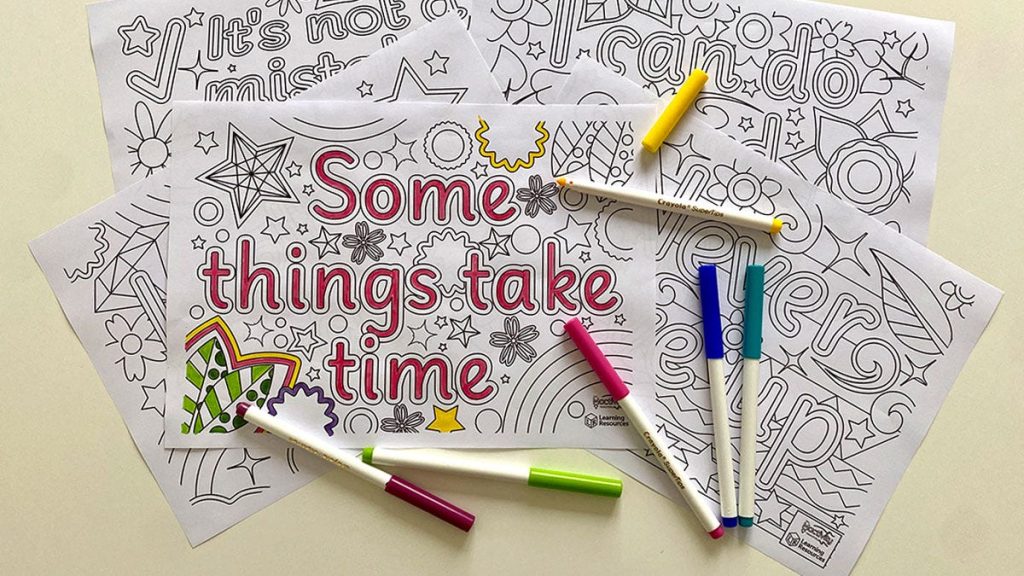
Building emotional resilience begins with creating an environment where mistakes are viewed not as failures but as stepping stones to success. This involves fostering a culture that celebrates errors as natural components of the learning process, thereby eliminating the fear of failure.
- Encourage open conversations about failure both at home and in educational settings. This openness helps children understand that making mistakes is common and acceptable. Share stories of famous inventors and their numerous failed experiments before achieving success.
- Share personal stories where mistakes led to valuable lessons, making the concept relatable to young listeners. For instance, share how Thomas Edison famously said, “I have not failed. I’ve just found 10,000 ways that won’t work.”
- Promote collaborative group activities that allow for shared experiences and collective learning. Group projects in schools can demonstrate how collective problem-solving often leads to innovative solutions that wouldn’t emerge individualistically.
By ensuring that children feel comfortable taking risks without the fear of harsh judgment, we help them develop resilience through supportive learning environments. These experiences teach them that setbacks are merely opportunities to learn and grow.
4. Use Positive Self-Talk
Positive self-talk is a fundamental growth mindset technique that significantly influences a child’s emotional resilience. The way children speak to themselves can transform how they perceive challenges and their emotions related to them.
- Teach children to recognize and challenge negative thoughts before consciously reframing them. Mental exercises like countering every negative thought with two positive responses can be instrumental.
- Encourage them to use affirmations such as “I can learn from this” or “Challenges help me grow.” These affirmations can become mantras that children use, particularly during stressful moments.
- Model positive self-talk yourself, demonstrating its effectiveness in your own life. Seeing adults practice what they preach reinforces the value children place in these techniques.
As young individuals begin to manage their internal dialogues more effectively, they feel more empowered and motivated. This empowerment enhances their resilience, as they perceive challenges as conquerable, rather than insurmountable obstacles.
3. Set Process-Oriented Goals
Often, we are accustomed to focusing primarily on achieving specific results. However, for children, emphasizing process-oriented goals can markedly improve their emotional resilience. This method spots the journey of growth, encouraging continuous effort and adaptation.
- Teach children to break down larger goals into smaller, manageable tasks. This not only makes daunting tasks seem more achievable but also encourages regular accomplishments.
- Encourage regular reflection on their progress, celebrating small milestones along the way. These celebrations instill a sense of achievement, motivating them to tackle bigger challenges.
- Introduce the concept of adaptability in goal-setting, allowing for adjustments based on ongoing learning experiences. Flexibility is key to resilience, teaching them that changing paths isn’t a sign of failure, but an adaptation to new insights.
Focusing on processes rather than just outcomes allows children to better handle setbacks, understanding that growth occurs through consistent improvement and perseverance.
2. Foster a Love for Learning
Developing a love for learning is crucial in cultivating emotional resilience. When children and adolescents view learning as a never-ending adventure, they are more likely to approach challenges with a constructive and inquisitive mindset.
- Provide access to diverse learning materials that cater to different interests and learning styles. Libraries and educational apps can offer a rich array of resources for curious minds.
- Encourage curiosity by asking open-ended questions that prompt exploration and creativity. This could be as simple as asking, “What if…?” to spark a deeper investigation.
- Organize activities that create a rich learning experience outside traditional classroom settings. Nature walks, museum visits, and science experiments can ignite a passion for discovery.
This thirst for knowledge not only builds resilience but also empowers children to face real-world challenges. They learn that setbacks are simply opportunities for further exploration and learning.
1. Encourage a Growth Mindset through Role Models
The most effective technique for nurturing emotional resilience is the presence of positive role models who embody a growth mindset. Children and adolescents are naturally influenced by those they admire, making it essential to introduce them to figures who exemplify resilience and commitment to personal growth.
- Invite guest speakers or mentors who have overcome challenges and are willing to share their experiences. Stories of perseverance can leave lasting impressions on young minds.
- Highlight stories of famous personalities who demonstrate the power of a growth mindset. Historical figures like Nelson Mandela, who overcame immense personal adversity, can serve as powerful examples.
- Encourage family members to share personal experiences of growth and resilience. These real-life stories can be particularly impactful when shared in a trusting family environment.
When children witness others overcoming obstacles, they internalize the belief that they too can confront and conquer difficulties. This modeling of resilience is essential in nurturing a generation that values effort and thrives amid adversity.
In summary, implementing these techniques can significantly bolster emotional resilience. From promoting a safe space for making mistakes to leveraging the influence of role models, each approach builds a solid foundation for children and adolescents to navigate life’s challenges effectively. By fostering a growth mindset, we prepare young individuals not just to face the world, but to transform it.
| Category | Description |
|---|---|
| Growth Mindset Development | Incorporating practices that encourage students to embrace challenges, learn from feedback, and ultimately, understand that abilities can be developed over time. |
| Resilience Building Activities | Activities such as problem-solving tasks and group projects that promote teamwork and enhance emotional stamina encourage children to bounce back from setbacks. |
| Emotional Regulation Techniques | Teaching children strategies like mindfulness, deep breathing exercises, and positive self-talk helps them manage stress and maintain emotional balance. |
| Success Yet Failure Learning | Involving children in discussions about famous personalities who faced challenges fosters a belief that failure is a part of learning, ultimately enhancing resilience. |
The aforementioned categories are fundamental in cultivating strong emotional resilience in children and adolescents. By fostering a Growth Mindset, children learn to appreciate the process of learning rather than just the outcome, equipping them with the understanding that effort is the pathway to mastery. When encountering obstacles, they are likely to persist rather than retreat, which is crucial in overcoming emotional hurdles.Moreover, Resilience Building Activities introduce learners to collaborative environments where they can experience both success and teamwork, validating their feelings and boosting their self-esteem. Group dynamics present numerous opportunities for children to openly discuss their setbacks, positioning them to support each other emotionally.Equally important are Emotional Regulation Techniques. By engaging children in practices like mindfulness, they can cultivate a sense of presence and awareness, enabling them to confront their emotions without judgment. This encouragement towards emotional literacy allows them to navigate their experiences more adeptly, something especially pertinent during turbulent times.Lastly, sharing stories about individuals who failed before they achieved great success can form the basis for Success Yet Failure Learning. Children learn that setbacks are not a sign of weakness but rather a stepping stone to success. This realization not only emboldens them to take risks but also nurtures an atmosphere where they can express vulnerability without fear of judgment, solidifying their emotional resilience.These structured approaches provide a comprehensive framework for empowering young people to embrace challenges with a positive outlook, further nurturing their resilience in an ever-changing world.
Frequently Asked Questions about Growth Mindset Techniques for Emotional Resilience in Children and Adolescents
What is a growth mindset, and how does it relate to emotional resilience in young people?
A growth mindset is the belief that abilities and intelligence can be developed through dedication, effort, and learning from failure. It stands in contrast to a fixed mindset, where individuals believe their talents and intelligence are static traits. When young people embrace a growth mindset, they become more adaptable and more resilient in the face of challenges. This mindset encourages them to see difficulties not as insurmountable obstacles, but as opportunities to grow. Resilient children and adolescents are better equipped to handle stress, setbacks, and adversity throughout their personal and academic lives.
How can parents and educators foster a growth mindset in children and adolescents?
Parents and educators can foster a growth mindset by encouraging a love of learning and persistence. Simple actions such as praising effort rather than innate talent or encouraging children to view mistakes as learning opportunities can be highly effective. It’s crucial to create an environment where children feel safe to take risks and face challenges. Additionally, teaching them that success is a result of hard work and perseverance can help in promoting resilience. Using phrases like “You worked really hard on this” or “What could you try differently next time?” can enhance their problem-solving skills and resilience over time.
What specific techniques can children use to develop emotional resilience?
One effective technique is teaching children to practice self-reflection. By reviewing what went well and what didn’t, they can gain insights into their behavior and thoughts. Mindfulness exercises that encourage presence and awareness can also help children manage stress and emotions. Moreover, goal setting—starting with small, achievable goals—can gradually build their confidence and resilience. Encouraging children to seek feedback and learn from criticism helps them build a robust sense of self and understanding that continued growth and improvement is possible.
Can integrating growth mindset principles make a tangible difference in a child’s life?
Yes, integrating growth mindset principles can make a significant difference. Children who adopt a growth mindset tend to have better academic performance and are more motivated to learn. They tend to experience less anxiety during challenging tasks because they see these tasks as part of the learning process. By understanding that abilities can evolve with effort and time, they develop a robust confidence that helps them in various aspects of life, from personal relationships to future careers. Research has shown that implementing growth mindset techniques can reduce stress, increase confidence, and ultimately lead to greater life satisfaction.
Conclusion
In conclusion, fostering a growth mindset in children and adolescents is essential for promoting emotional resilience, equipping them to navigate the complexities of growing up with confidence and adaptability. As we explored in this article, several key techniques can facilitate this transformative process. Encouraging a love for learning, emphasizing the value of effort, and teaching children to view challenges as opportunities for growth are pivotal strategies that empower young minds to thrive.
Moreover, integrating feedback as a constructive tool and celebrating progress over perfection can cultivate a sense of self-efficacy that is crucial for emotional resilience. A well-rounded approach that includes educational institutions, family members, and social circles can significantly enhance the impact of these techniques. By embedding these principles into daily interactions and educational curricula, we can help create a generation of resilient, adaptable, and emotionally intelligent individuals.
As awareness about mental health and emotional well-being continues to grow, the relevance of these growth mindset techniques becomes increasingly evident. Further research and innovative practices will undoubtedly enhance our understanding and application of these strategies. It is crucial for parents, educators, and policymakers to prioritize the cultivation of a growth-oriented environment for our youth. Ultimately, embracing a growth mindset not only builds resilience but also fosters a lifelong passion for learning and self-improvement, which are invaluable tools in an ever-evolving world.
In a rapidly changing society, the ability to remain resilient through emotional ups and downs is more important than ever. These strategies not only provide a roadmap for immediate benefits in school and peer relationships but also lay the groundwork for a future characterized by continuous growth and well-being. Therefore, adopting and promoting these practices can make a significant difference in preparing children and adolescents to face the challenges of tomorrow with greater resilience and optimism.

Linda Carter is a writer and growth mindset specialist with expertise in cognitive development and resilience training. With extensive experience helping individuals transform limiting beliefs and unlock their potential, she shares practical mindset strategies on our platform. Her goal is to empower readers with science-backed techniques to cultivate adaptability, embrace challenges, and achieve continuous personal and professional growth.