Exploring the Latest Advances in Acne Treatments: From Topicals to Laser Therapy

The Reality of Acne
Acne is a persistent concern for many adolescents and adults alike, impacting not just physical appearance but also overall self-esteem. It arises from various factors: hormonal fluctuations, genetics, diet, and lifestyle choices all significantly contribute to its onset. As it affects an estimated 50 million Americans annually, the need for effective treatments has never been more pressing.
Options for Effective Treatment
In recent years, the landscape of acne treatment has evolved dramatically. With more options available than ever before, individuals can find a personalized path to clearer skin.
- Topical Treatments: These are the most commonly used solutions and typically include:
- Retinoids: Derived from vitamin A, retinoids promote cell turnover and prevent clogged pores. Products containing tretinoin and adapalene have gained traction for their efficacy.
- Benzoyl Peroxide: Known for its antibacterial properties, benzoyl peroxide targets the acne-causing bacteria on the skin. Many formulations combine it with other ingredients for enhanced results.
- Salicylic Acid: This beta-hydroxy acid effectively exfoliates the skin and unclogs pores, proving particularly beneficial for those with oily skin types.
Oral Medications: For cases that are resistant to topical agents, healthcare professionals may prescribe:
- Antibiotics: Medications such as doxycycline or minocycline help to reduce inflammation and bacteria in moderate to severe acne cases.
- Hormonal Therapies: For women, hormonal treatments, particularly birth control pills that regulate hormones, can often lead to a significant decrease in acne flare-ups.
Innovative Technologies
As technology advances, certain therapies have emerged that deliver impressive results with minimal invasiveness. Laser Therapy represents a significant development in this area, with various methods such as:
- Fractional Laser Therapy: This technique targets specific areas of the skin to stimulate collagen production, aiding in the healing and reduction of acne scars.
- Blue Light Therapy: Utilizing specific wavelengths of light, this treatment effectively kills acne-causing bacteria and can reduce the severity of breakouts.
Understanding the Underlying Causes
While treatments continue to improve, researchers are delving into the underlying causes of acne to develop more targeted therapies. The focus is on:
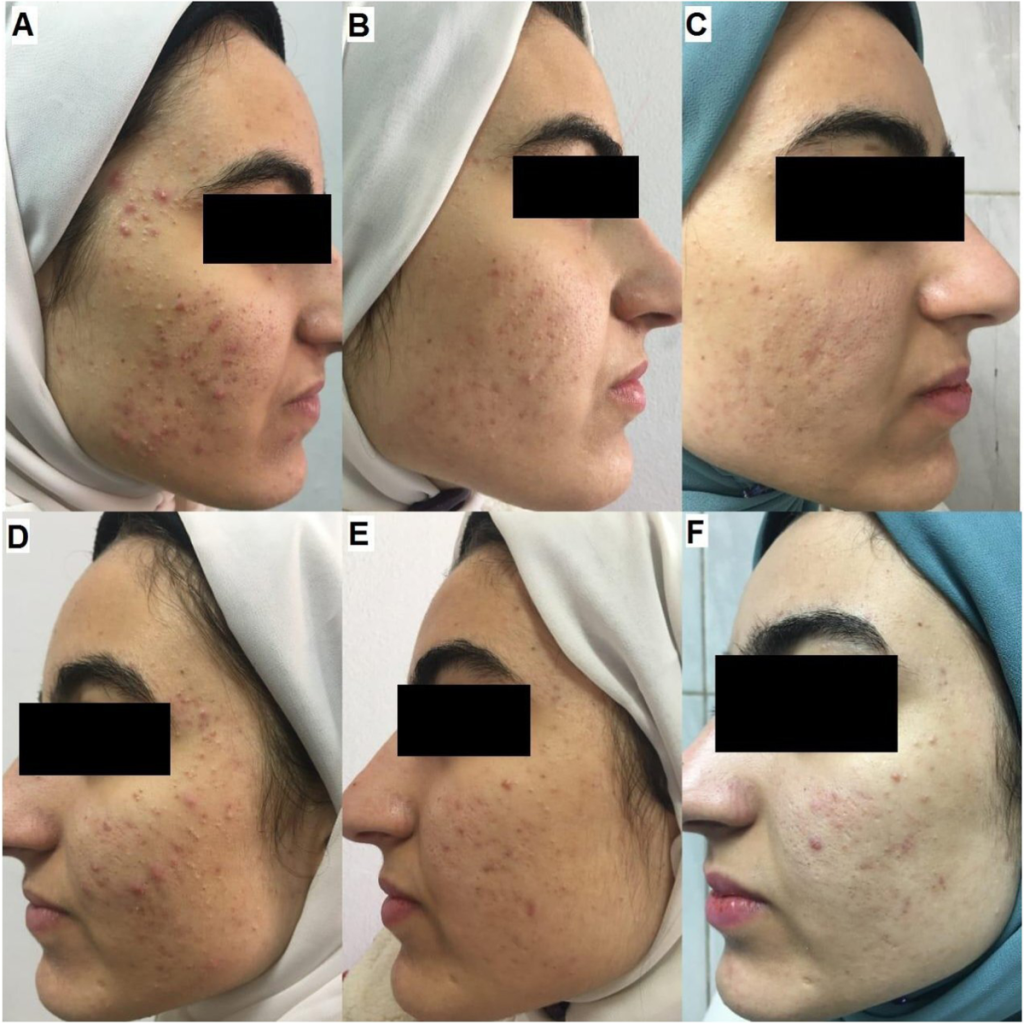
- Inflammation: Investigating how inflammatory processes in the skin contribute to acne, substances that can reduce this inflammation are becoming a critical area of study.
- Bacterial Growth: Understanding the role of Cutibacterium acnes, the bacteria that contribute to acne development, has paved the way for potential antibacterial therapies.
- Oil Production: Research into controlling excess sebum production holds promise for preventing new breakouts from forming.
As a result, these advances not only aim to manage existing acne but also target its root causes. Understanding these factors can profoundly transform an individual’s skincare journey, paving the way for healthier skin and renewed confidence. With so many avenues to explore, individuals struggling with acne can find hope amidst what often feels like an endless cycle. Information is power, and staying informed about the latest treatments can truly change lives.
DISCOVER MORE: Click here to uncover the impact of lifestyle on skin health
Topical Treatments: The Cornerstone of Acne Management
When it comes to acne treatment, topical solutions remain a primary choice for many skincare enthusiasts and medical professionals. The efficacy of these products lies in their ability to target the acne directly at the source, making them an essential part of any skincare regimen.
Among the plethora of options available, several standout ingredients have proved to be especially effective in the fight against acne:
- Retinoids: These vitamin A derivatives are pivotal in promoting skin cell turnover, helping to prevent the clogging of pores. Tretinoin and adapalene are two commonly recommended retinoids that can enhance skin texture and reduce inflammation. Clinical studies have shown that consistent use can lead to a noticeable decrease in the number and severity of acne lesions.
- Benzoyl Peroxide: A staple ingredient, benzoyl peroxide works by eliminating the bacteria that cause acne, primarily *Cutibacterium acnes*. Available in various forms, including gels and creams, it often features in combination products to boost effectiveness and minimize irritation. Research indicates that a concentration of 2.5% to 5% can be effective while reducing the risk of side effects.
- Salicylic Acid: Known for its ability to penetrate the pores, salicylic acid facilitates the exfoliation of dead skin cells, which can greatly reduce acne formation. Particularly favored by those with oily skin, it may also have anti-inflammatory properties, making it a versatile option for various skin types.
Oral Medications: A Deeper Dive into Treatment
For those struggling with more persistent forms of acne, oral medications can provide a vital solution. Dermatologists often prescribe these options when topical treatments fail to yield significant improvements. The following medications have shown considerable promise:
- Antibiotics: Medications like doxycycline and minocycline are commonly utilized in moderate to severe acne cases. These antibiotics work by reducing both inflammation and the bacteria present on the skin. However, long-term use can carry risks, such as antibiotic resistance, prompting healthcare providers to use them judiciously.
- Hormonal Treatments: For women, hormonal imbalances can be a significant contributor to acne. Certain birth control pills that contain estrogen and progestin not only regulate menstrual cycles but also reduce sebum production, often leading to a notable decrease in acne flare-ups. Studies indicate a high efficacy rate in reducing acne symptoms in females who opt for this method.
As individuals explore various treatment options, it is crucial to recognize that each person’s skin responds differently. This highlights the importance of consulting a healthcare professional who can tailor a regimen based on an individual’s unique skin type and acne severity.
Enhancing Efficacy: The Role of Innovative Technologies
In addition to traditional topical and oral treatments, the rise of innovative technologies offers exciting possibilities for acne management. Emerging therapies, including laser treatments, stand on the frontier of dermatologic advances:
- Fractional Laser Therapy: This procedure involves using targeting lasers that stimulate collagen production while reducing acne scarring. By treating only a fraction of the skin at a time, patients experience less downtime and improved healing.
- Blue Light Therapy: Utilizing specific wavelengths of light, this treatment effectively targets and kills acne-causing bacteria directly in the skin, streamlining the process of reducing inflammation and breakouts.
These innovative options not only serve as effective treatments for active acne but also pave the way for improved skin texture and reduced scarring, ensuring that individuals can embark on their skincare journeys with renewed hope.
Exploring the Latest Advances in Acne Treatments: From Topicals to Laser Therapy
As we continue to delve into the world of acne treatments, it’s essential to consider the latest innovations that are shaping the landscape of skincare. With ongoing research and advancements, dermatologists now have an array of options available to effectively manage and treat acne. This segment will focus on both topical treatments and cutting-edge laser therapies, which are gaining significant recognition in clinical practices.
| Treatment Type | Advantages |
|---|---|
| Topical Treatments | Allow for localized action, targeting specific acne lesions effectively. |
| Laser Therapy | Minimally invasive, with the ability to reduce inflammation and prevent future breakouts. |
Topical treatments, such as retinoids and benzoyl peroxide, are known for their ability to unclog pores and reduce oil production, helping in the immediate fight against acne. Recent advances include formulas that enhance penetration and efficacy, ensuring more effective results with fewer side effects.
On the other hand, laser therapy is revolutionizing acne treatment by offering long-term solutions, particularly for severe cases resistant to traditional methods. Techniques such as Pulsed Dye Laser and Blue Light Therapy target acne-causing bacteria while minimizing skin damage. Such innovative practices not only promote healing but also encourage collagen production, resulting in improved skin texture.
As we explore these latest advances in acne treatments, it is clear that options are diversifying and becoming more efficient, paving the way for individuals to regain control over their skincare journeys. Each treatment demonstrates its unique set of benefits, making it imperative for patients to consult with dermatology professionals to determine the best approaches suitable for them.
DIVE DEEPER: Click here to uncover the link between diet and skin health</
Exploring Alternative Therapies: Beyond Conventional Treatments
While traditional approaches like topicals and oral medications have long been the go-to solutions for acne sufferers, there is a growing interest in alternative therapies that complement or even enhance these methods. In recent years, research has focused on modalities that leverage natural ingredients and lifestyle adjustments to battle acne more holistically. Here are some noteworthy options:
- Dietary Interventions: Emerging studies highlight the link between diet and acne. Consuming a diet rich in antioxidants, vitamins, and minerals can support skin health. Foods with low glycemic indexes, such as whole grains, legumes, fruits, and vegetables, may help reduce acne breakouts. An interesting study published in the Journal of the Academy of Nutrition and Dietetics indicated that diets high in dairy and refined sugars correlated with increased acne severity. As a result, many dermatologists now suggest that patients consider dietary adjustments alongside their treatment regimens.
- Probiotics: The gut-skin connection is increasingly recognized as a crucial factor in various skin conditions, including acne. Probiotics are thought to balance the microbiome and may reduce inflammation, a critical contributor to acne development. Preliminary research has shown that certain probiotic strains can potentially reduce the severity of acne lesions when incorporated into a daily health routine. This approach is particularly appealing for those seeking to avoid conventional medications.
- Light and Photodynamic Therapy: Beyond blue light therapy, photodynamic therapy (PDT) utilizes a light-activated medication to target and destroy acne lesions. This innovative treatment can be particularly effective for individuals with severe acne, as it reduces inflammation and oil production. A systematic review in the Dermatologic Surgery journal found that patients undergoing PDT experienced significant reductions in acne lesions and improved overall skin appearance.
Combination Approaches: Maximizing Efficacy
As the landscape of acne treatments evolves, the trend of combination therapies is gaining traction. Mixing and matching various modalities can often lead to more successful outcomes compared to single-agent treatments. Dermatologists emphasize that different treatments target various facets of acne pathogenesis, and their synergistic effects can yield exceptional results:
- Combining Topicals and Oral Medications: A common approach is integrating topical retinoids or benzoyl peroxide with oral antibiotics for improved efficacy. This strategy tackles acne from multiple angles simultaneously, reducing inflammation while addressing bacterial proliferation. In fact, studies have shown that this dual approach can lead to shorter treatment times and more substantial improvements in skin condition.
- Laser Therapy with Topical Agents: Incorporating laser treatments like fractional resurfacing alongside topical solutions can yield impressive outcomes. The laser can reduce existing scars and improve skin texture, while the retinoids or acids applied afterward enhance penetration and effectiveness. This combo not only treats active acne but also addresses the aftermath—scarring that often poses a burden on patients’ self-esteem.
In conclusion, as research continues to broaden the understanding of acne’s multifaceted nature, patients now have access to a diverse array of treatments that go beyond the conventional. The landscape of acne management is continually evolving, emphasizing the importance of personalized approaches to unlock clearer, healthier skin.
DISCOVER MORE: Click here to learn about the impact of diet on skin health
Conclusion: Navigating the Future of Acne Treatment
As we stand at the forefront of dermatological innovation, it is clear that the journey to combat acne has made remarkable strides. With a fusion of traditional therapies like topicals and oral medications, alongside cutting-edge techniques such as laser therapy and photodynamic treatments, patients are now equipped with an arsenal of options to address their unique needs. The incorporation of alternative therapies, including dietary changes and probiotics, enriches treatment plans, providing a holistic approach that resonates well with today’s health-conscious individuals.
The shift towards combination approaches signifies a broader understanding of acne’s complex pathophysiology. By leveraging the synergistic effects of multiple therapies, patients can expect enhanced efficacy, shorter treatment durations, and improved skin health. Moreover, awareness and accessibility to these diverse treatments allow individuals to take control, empowering them on their quest for clearer skin.
As ongoing research unveils new insights into acne management, dermatologists continue to adapt and refine treatment protocols, ensuring that patients have the most effective tools at their disposal. For those navigating the challenges of acne, embracing this evolving landscape of treatments not only promises healthier skin but also nurtures greater self-confidence and well-being. The future of acne care is undoubtedly bright, inviting further exploration into its myriad possibilities.
Related posts:
The Role of Diet in Acne Management: Foods to Embrace and Avoid
The Role of Sun Protection in Acne Treatment: How SPF Can Help Heal and Prevent Breakouts
The Role of Diet in Acne Management: Exploring the Connection Between Food Choices and Skin Health
Natural Remedies for Acne: Evaluating the Effectiveness of Herbal and Organic Solutions
Natural Remedies for Acne: Do They Really Work?
Myths vs. Facts: Debunking Common Misconceptions About Acne Treatments

Linda Carter is a writer and beauty expert specializing in skincare routines, cosmetic ingredients, and holistic self-care practices. With extensive experience helping individuals achieve healthy, radiant skin and make informed beauty choices, Linda shares her knowledge on our platform. Her goal is to empower readers with practical advice and science-backed strategies for lasting beauty and skin health.