
Developing Minimalist Habits: The Key to a More Efficient and Organized Life
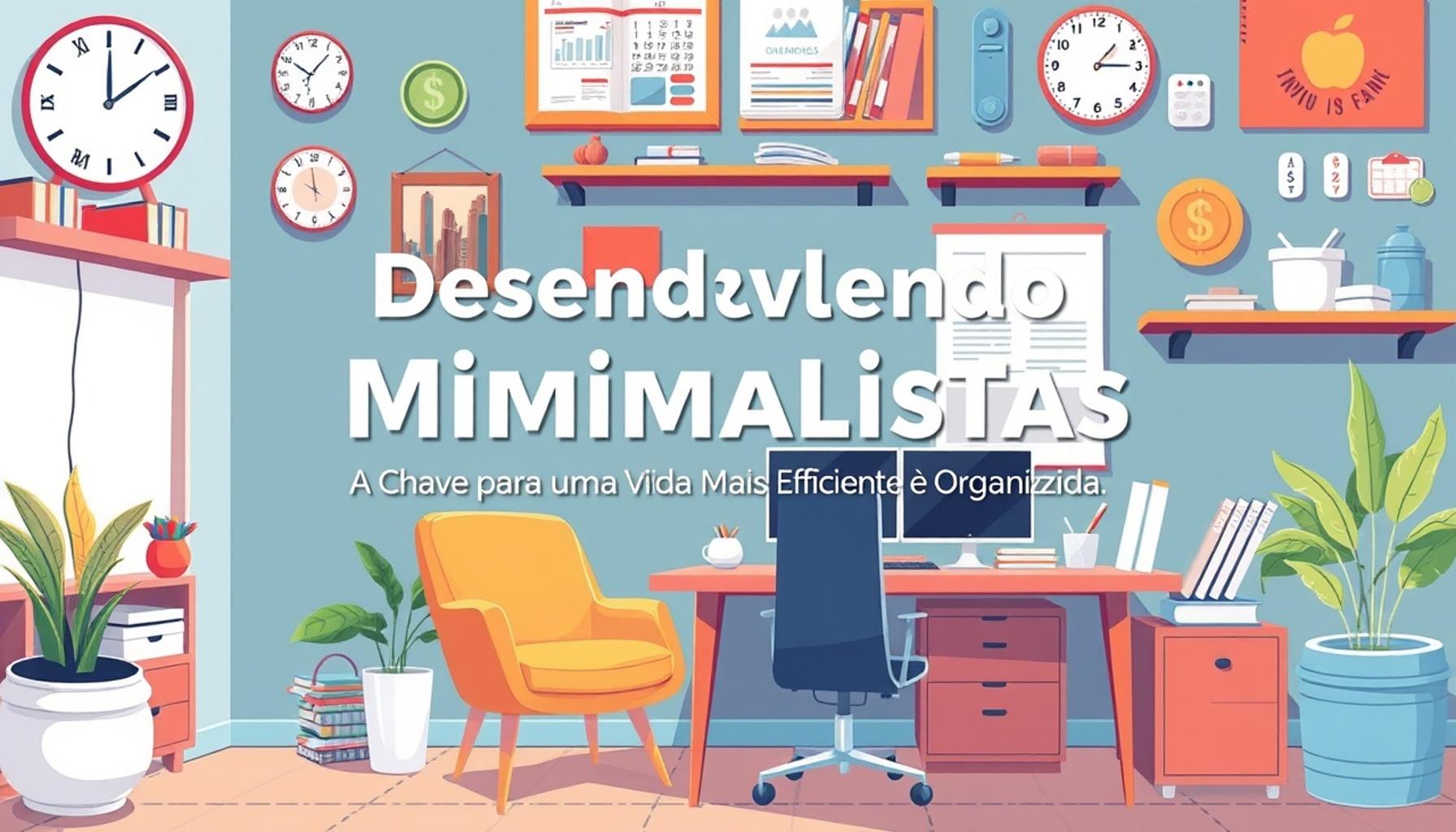
Unlocking Efficiency through Minimalism
In a world filled with distractions and clutter, the pursuit of simplicity has never been more crucial. Minimalist habits allow individuals to cut through the chaos, leading to a more organized and efficient lifestyle. This shift is not just about decluttering your physical space but also about streamlining your thoughts and actions. The principles of minimalism penetrate various aspects of life, from home decor to time management and even relationships.
Consider these compelling benefits of adopting minimalist habits:
- Improved Focus: Fewer distractions lead to enhanced concentration and productivity. Studies have shown that a clutter-free environment allows the brain to focus on the task at hand. For instance, a clean desk can lead to a more focused work session compared to a desk littered with papers and items.
- Less Stress: A tidy environment can significantly reduce anxiety levels. Research indicates that visual clutter can cause stress and hinder cognitive function. By maintaining an organized living or working space, individuals often report feeling more at peace and less overwhelmed.
- Time Management: Simplifying tasks allows for better prioritization and saves time. When routines and responsibilities are streamlined, it becomes easier to allocate time effectively; for example, having fewer commitments can lead to more time for deep work or leisure activities.
Embracing minimalism can transform how you interact with your surroundings and manage your responsibilities. The journey towards a minimalist lifestyle includes:
- Assessing Your Belongings: Determine what you truly need for everyday life. Conducting a thorough inventory can reveal unnecessary items that consume both physical and mental space. This could involve a simple practice like the “one-year rule,” where you discard items that haven’t been used in the past year.
- Streamlining Decisions: Fewer choices often lead to more decisive actions. The paradox of choice suggests that too many options can lead to paralysis; by minimizing choices—whether in wardrobe, meal planning, or scheduling—individuals often find clarity in their decision-making processes.
- Cultivating Mindfulness: Engaging fully in the present moment helps clear mental clutter. Mindfulness can be integrated into daily routines through practices like meditation, which enhances overall awareness and reduces reactions to stressors.
As you delve deeper into developing these habits, you might discover not only an organized space but also a more peaceful mind. This new minimalist way of living can create room for what truly matters, whether it’s relationships, hobbies, or self-care. Ready to explore the transformative potential of minimalism?
DISCOVER MORE: Click here to learn how decluttering boosts your productivity
Embracing the Core Principles of Minimalism
To truly harness the power of minimalist habits, it is essential to embrace the core principles that drive this lifestyle change. Minimalism is not merely about reducing physical possessions; it involves a holistic approach that influences how individuals perceive their surroundings and manage their daily activities. By adopting these fundamental concepts, you position yourself to not only lead a clutter-free life but also to enhance your overall well-being.
Clarity and Intention: One of the foundational elements of minimalism is the focus on clarity and intention in every aspect of life. Begin by asking yourself, “What truly matters to me?” This simple question encourages reflection on your values, priorities, and aspirations. By aligning your possessions, activities, and relationships with your core values, you can eliminate distractions and create a life that feels purposeful and fulfilling.
Quality Over Quantity: Minimalism teaches the importance of investing in quality rather than quantity. Instead of surrounding yourself with numerous items that serve limited purposes, consider acquiring fewer, high-quality possessions that enhance your life experience. This philosophy applies not only to material goods but also to relationships and commitments. Fostering deeper connections with a select group of friends can be far more rewarding than spreading yourself thin across countless acquaintances.
- Evaluate Your Commitments: Are you involved in activities that drain your energy or do not support your goals? Creating a balanced schedule by re-evaluating commitments can free up valuable time and energy.
- Invest in Experiences: Shift your focus toward experiences that enrich your life rather than accumulating more things. Research indicates that experiences often lead to greater happiness and satisfaction than material possessions.
- Adopt Sustainable Choices: Minimalism resonates deeply with the principles of sustainability. Choosing eco-friendly products and practices not only minimizes waste but also contributes to a healthier planet. This alignment with sustainability can elevate your sense of purpose in adopting a minimalist lifestyle.
Decluttering as a Continuous Process: While the act of decluttering might seem overwhelming, see it as a continuous journey rather than a one-time event. Start small and gradually work towards a more organized environment. Implementing a regular decluttering practice, such as the “10-Minute Tidy,” where you dedicate just ten minutes each day to organize a space, can yield significant results over time.
By focusing on these key principles, individuals can begin to unlock the potential of a minimalist lifestyle. It’s not just about having less; it’s about making room for more of what truly matters. As you embark on this journey, remember that every step taken towards minimalism leads to a more efficient and organized life. The next phase involves putting these principles into regular practice and evaluating the impact on your daily routine and mental clarity.
| Category | Key Features |
|---|---|
| Time Management | Minimalist habits foster improved focus, allowing individuals to dedicate their time to what truly matters. |
| Mental Clarity | Streamlined living reduces distractions, leading to enhanced decision-making and productivity. |
| Financial Freedom | Less consumption encourages thoughtful spending, ultimately resulting in increased savings and less debt. |
| Emotional Well-being | Minimalism promotes a sense of peace and satisfaction, creating space for personal growth and fulfillment. |
Developing minimalist habits is about making intentional choices to enhance your quality of life. As one starts to understand the concept of minimalism, an emphasis is placed on what is essential and the value of reducing excess. This transformation can lead to better time management by prioritizing the most impactful activities and eliminating the noise that clutters daily life. Furthermore, embracing minimalism often brings about greater mental clarity. By removing physical distractions, individuals can sharpen their focus on tasks, resulting in better performance and higher productivity. The idea of minimalism also extends to financial habits. Shifting towards a mindset of need rather than want can help one achieve financial independence, encouraging savings and reducing unnecessary expenditures.Lastly, minimalist living can significantly impact emotional well-being. A decluttered space often translates into a decluttered mind, leading to feelings of tranquility and satisfaction. Embracing simplicity allows individuals to redirect their energies toward personal growth and meaningful connections, ultimately laying the groundwork for a more efficient and organized life.
DISCOVER MORE: Click here to delve deeper
Building Effective Minimalist Routines
As you delve deeper into the minimalist lifestyle, it’s vital to recognize the importance of creating effective routines that support this way of living. Routines serve as the backbone of your day, allowing you to reclaim precious time and mental energy. By integrating minimalism into your daily practices, you can streamline processes, foster efficiency, and promote a sense of calm amidst life’s busyness.
Simplifying Your Morning Routine: Morning routines set the tone for the entire day. Embrace minimalism by simplifying your early activities. Start by evaluating what you truly need to kickstart your day—perhaps just a glass of water, a few moments of meditation, and a healthy breakfast. Limiting decision-making in the morning can reduce stress and enhance focus. The Five-Minute Morning Journal is a tool that many minimalist advocates use, allowing for quick reflection and intention-setting without overwhelming your time.
Streamlining Home Management: Applying minimalist principles to home management can lead to significant improvements in organization. Consider adopting a system like the One-In-One-Out Rule: for every new item brought into the house, one must be removed. This helps maintain a clutter-free environment and encourages mindful purchasing habits. Establishing dedicated spaces for items also reduces the chaos that often accompanies disorganization. A simple, visually pleasing arrangement not only saves time when searching for things but also transforms your living space into a serene sanctuary.
- Implementing Digital Decluttering: In today’s digital world, clutter is not only physical. Make time to periodically evaluate your digital files and emails. Use apps and tools designed to help manage and declutter digital spaces. For instance, Todoist and Evernote can enhance productivity by keeping tasks organized and prioritized.
- Meal Planning: Minimize the chaos of mealtime decisions by planning your meals for the week. This not only saves time but also ensures healthier eating choices. Meal prep can also eliminate last-minute grocery store trips, further embodying the minimalist principle of valuing simplicity.
- Mindful Spending: Adopting a minimalist mindset in financial matters can provide clarity and purpose. Create a budget that reflects your values, focusing on experiences and investments that truly align with your life goals.
Mindfulness and Mental Clarity: One of the key benefits of developing minimalist habits is the enhancement of mental clarity. Mindfulness practices, such as meditation or yoga, can complement the minimalist lifestyle. By fostering a sense of awareness about your surroundings and the thoughts that occupy your mind, you can cultivate a deeper understanding of what adds value to your life. Studies have shown that those who practice mindfulness often report lower levels of stress and increased satisfaction. Incorporating even a few minutes of stillness each day can significantly elevate your sense of balance.
Moreover, consider implementing tactile reminders of your minimalist journey. Vision boards or goal lists can provide visual cues that redirect your focus towards what genuinely matters, acting as a compass in your pursuit of an organized and efficient life.
By developing these minimalist routines, you can create an optimized daily structure that not only alleviates the chaos but also brings clarity and joy into every aspect of your life. Minimalism, when integrated thoughtfully, can lead to a profound transformation—one that encourages living with intention and purpose.
DISCOVER MORE: Click here to learn how to optimize your lifestyle
Conclusion: Embracing a Minimalist Mindset for Lasting Change
In a world that often prioritizes more—more possessions, more commitments, more stress—the journey towards minimalism stands as a beacon of hope for those seeking a more efficient and organized life. By developing minimalist habits, individuals can rediscover the beauty of simplicity and the profound impact it has on daily living. From simplifying morning routines to employing the One-In-One-Out Rule in home management, every small step contributes to a larger framework designed to reduce clutter, enhance mental clarity, and foster a sense of serenity.
The benefits of minimalist living transcend mere aesthetics; they invigorate our mental landscapes and bolster productivity. Digital decluttering and mindful spending empower us to allocate our resources effectively, allowing us to invest in experiences that align with our core values. This intentionality cultivates a lifestyle rich in purpose, helping to mitigate feelings of overwhelm commonly felt in today’s fast-paced society.
Ultimately, embracing minimalism is not just about eliminating the unnecessary; it is about creating space for what truly matters. Through practices like mindfulness, meal planning, and clear goal setting, individuals can create an environment that nurtures their ambitions while promoting emotional well-being. As you reflect on your own life, consider where minimalism can facilitate real change. Each minimalist habit cultivated is a step towards reclaiming the time, energy, and clarity needed to lead a fulfilling, organized life. The path to efficiency and peace awaits you—are you ready to take the first step?