Clutter Reduction for Families: Teaching Kids the Value of Minimalism
Understanding Minimalism in Family Life
The modern family faces a myriad of challenges in maintaining a peaceful and organized living space. Often, clutter becomes an uninvited guest in homes across America, leading to frustration and stress. However, by introducing children to the principles of a minimalist lifestyle, families can shift from chaos to a state of organized tranquility. Embracing minimalism encourages not just a tidier environment, but also promotes well-being, creativity, and a sharper focus on what truly matters.
Key Benefits of Clutter Reduction
Minimalism can have transformative effects on families, yielding various benefits. Here are a few key advantages:
- Improved Mental Clarity: Clutter can be visually and mentally distracting. A clean and organized environment fosters clearer thinking, enabling individuals to focus on important tasks. Studies suggest that a tidy space can significantly reduce feelings of anxiety and stress, allowing for enhanced productivity.
- Enhanced Family Bonding: Collaborative decluttering efforts not only lighten the load but also bring families closer together. Engaging in discussions about what items to keep can promote teamwork and communication skills among family members, reinforcing their emotional connections.
- Life Skills Development: Involving children in the decluttering process teaches them valuable life skills such as decision-making and responsibility. For instance, when children choose what toys to donate, they learn empathy and the importance of sharing, as well as developing critical thinking skills in determining the value of their belongings.
Consumerism and Its Impact on Family Life
In the United States, the influence of consumerism often propels families into a cycle of constant acquisition. According to studies, the average American home contains around 300,000 items, many of which are rarely used. This accumulation not only contributes to physical clutter but can also impact emotional well-being. The need to accumulate more can overshadow the joy of experiences, such as family outings or vacations, which create lasting memories.
By incorporating the principles of minimalism, families can emphasize experiences over possessions. For example, instead of purchasing the latest gaming console or trendy toys, families may choose to invest time in hiking, visiting museums, or volunteering, fostering a connection to each other and their community. These shared experiences can become cherished memories, reinforcing the family bond.
Getting Started with Clutter Reduction
Starting the journey toward clutter reduction can be simple and can involve small steps that the whole family can partake in. Begin by choosing a room or space, and set aside time for a family decluttering day. Encourage all members to identify items they no longer need or use, discussing their choices together. This discussion helps children understand the reasons behind minimalism and fosters an appreciation for the belongings they choose to keep.
Ultimately, the shift to a minimalist lifestyle within a family setting can pave the way for calmer, more meaningful day-to-day living. By adopting these principles and values, families not only enhance their spaces but also cultivate a nurturing environment for children to learn the importance of simplicity and intentionality in their lives. This empowering journey towards minimalism is well worth the effort, as it creates opportunities for emotional connection, critical life skills, and a more focused existence.
DISCOVER MORE: Click here to learn essential techniques
Practical Steps to Introduce Minimalism to Children
Introducing minimalism to children can feel daunting; however, breaking it down into manageable, engaging steps not only simplifies the process but also encourages active participation. By creating a fun and educational atmosphere, families can teach children the core values of minimalism while fostering their understanding of the significance of clutter reduction.
Start with the “One In, One Out” Rule
One effective method for families to adopt a minimalist approach is the “one in, one out” rule. This straightforward concept means that whenever a new item is introduced into the home, an old one should be removed. By establishing this practice, children learn the importance of valuing possessions and making mindful decisions about what they truly need. For instance, when a child receives a new toy or gadget, encourage them to select a toy they no longer use to donate.
In addition to reducing the number of items, this practice also instills a sense of responsibility in children regarding their belongings. They start to understand that every acquisition comes with a commitment to maintain balance in their space. Whether it’s books, toys, or clothing, reminding children that less can be more is a powerful lesson that can impact their lives significantly.
Decluttering Techniques for Families
Implementing engaging decluttering techniques can make the process enjoyable for everyone involved. Here are several fun strategies to consider:
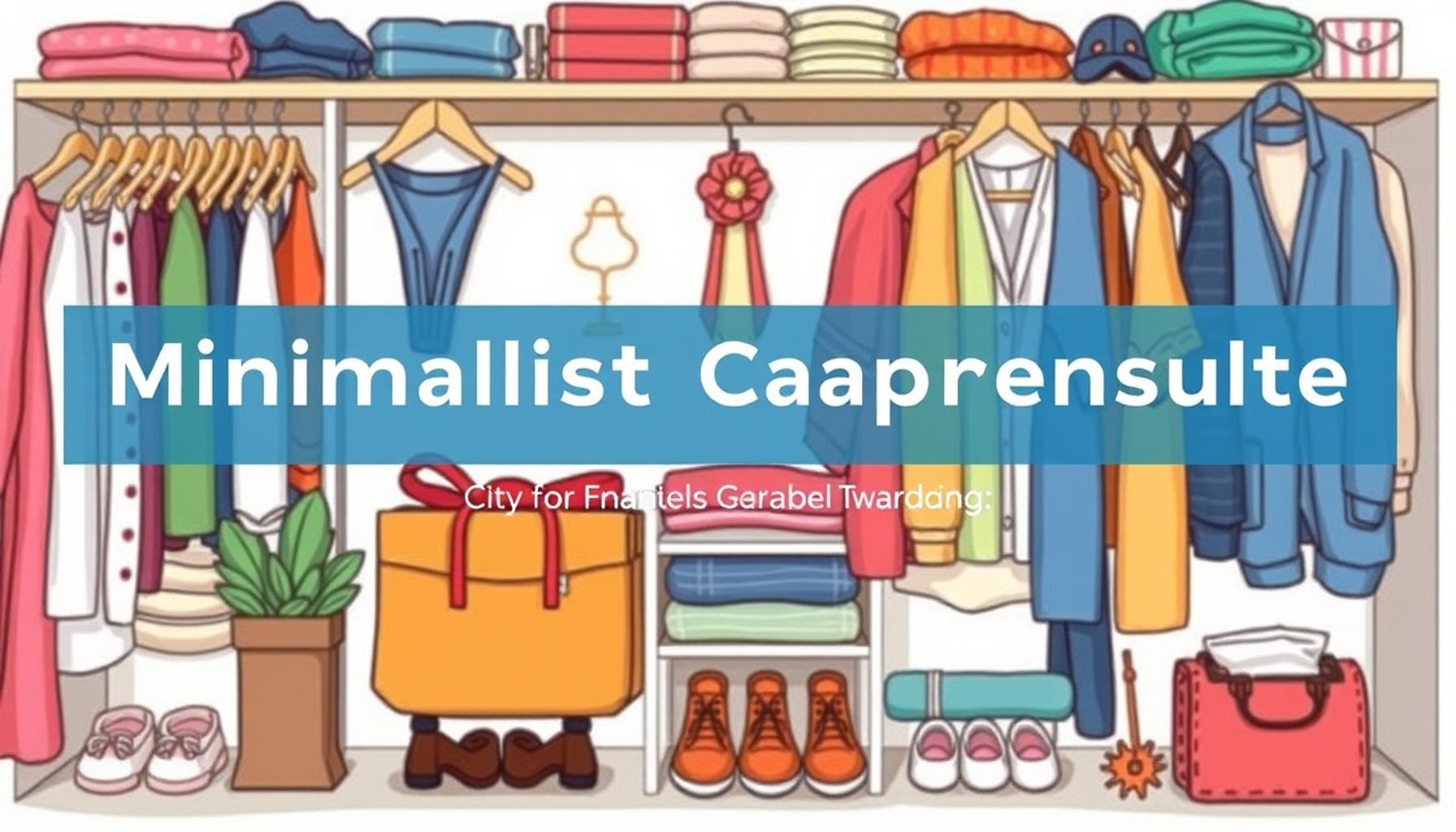
- The Capsule Challenge: Encourage kids to create a capsule wardrobe, consisting of a limited number of clothing items they love and wear often. This exercise teaches children about making intentional choices and prioritizing their favorite pieces.
- Toy Sorting Game: Turn sorting toys into a fun game, where kids categorize their belongings into keep, donate, and discard piles. By making it a game, children may feel more empowered to let go of items they no longer cherish.
- One-Day Decluttering Party: Organize a family decluttering day, where everyone participates. Create a festive atmosphere with music and snacks to keep spirits high while tackling the clutter together.
Encouraging Empathy and Sustainability
Involving children in decluttering not only promotes minimalism but also emphasizes values of empathy and sustainability. When children decide to donate items, they learn about the impact their choices can have on others who may benefit from those items. This understanding can lead them to think beyond their possessions and consider the needs of their community.
Moreover, discussing the environmental aspects of consumerism helps children grasp the importance of reducing waste. Teaching them about recycling, reusing, and giving can lead to a generation that is more conscientious about their consumption patterns. By fostering these values early, families can cultivate a mindset that champions conscious living and minimizes overall clutter.
As families embark on this journey towards clutter reduction and embrace minimalism, they not only enhance their living spaces but also equip their children with skills and insights that will serve them well into adulthood. Through practical activities that promote engagement and critical thinking, children can learn to cherish experiences rather than possessions, setting the foundation for a more mindful and intentional lifestyle.
Understanding the Concept of Minimalism for Families
Embracing minimalism goes beyond simply getting rid of excess belongings; it is a lifestyle that fosters mindfulness, prioritization, and intentionality. For families, teaching kids the value of minimalism can pave the way for enhanced emotional well-being and better communication. By reducing clutter, children learn important lessons about value and responsibility, which can be vital in their developmental journey.
Techniques for Clutter Reduction
One effective approach to clutter reduction is through engaging children in the process of decision-making. Encourage your kids to evaluate their possessions and determine what items are truly beloved or necessary. This promotes critical thinking and self-awareness. Create a “keep, donate, and recycle” system, making it a fun and interactive activity that the whole family can partake in.Incorporating minimalism into family routines can also be beneficial. For example, consider a “one in, one out” rule when acquiring new toys or clothing. This instills the idea that every new item requires the sacrifice of an old one, reinforcing the value of simplicity and the importance of conscious consumption in a consumer-driven society.
Benefits of Teaching Minimalism
Families adopting minimalism often report decreased stress levels, a more organized home environment, and stronger family bonds. When children are involved in maintaining a clutter-free space, they develop a sense of ownership and pride in their surroundings. The reduced visual and physical clutter can also lead to enhanced focus and creativity, allowing kids to engage with their activities more deeply.Moreover, by instilling the principles of minimalism early on, parents set their children up for a more sustainable lifestyle. As they grow older, these values can transform their relationship with material goods, promoting environmental consciousness and encouraging charitable acts. Instead of associating happiness with ownership, children learn to appreciate experiences and relationships, ultimately leading to a more fulfilling life.
Creating a Minimalist Family Space
A crucial aspect of teaching children about minimalism is transforming living spaces into calming environments. This can be achieved by selecting multifunctional furniture, creating designated areas for activities, and using storage solutions that keep items neatly organized. In a minimalist space, each piece has purpose and presence, which inherently teaches the family to cherish not only objects but also the time spent together in such environments.By effectively instilling these values, families can develop a harmonious home that resonates with the principles of minimalism while fostering meaningful experiences and connections.
DIVE DEEPER: Click here to discover efficient routines
Creating a Family Culture of Minimalism
Building a lasting culture of minimalism within the family goes beyond mere decluttering practices; it requires a shift in mindset and values that encompasses daily life and routines. To achieve this, families can foster an environment where minimalism is not only taught but also actively practiced and celebrated.
Engaging in Community Activities
Involving children in community activities that support a minimalist lifestyle can greatly enhance their understanding of its benefits. For example, participating in local swap meets or charity events allows children to witness firsthand how their gently used items can help others. Research indicates that kids who participate in community service and giving back develop a stronger sense of empathy and social responsibility. Families can turn these events into educational experiences by discussing the importance of reducing consumption and the lives changed by their contributions.
Moreover, arranging playdates or group activities that encourage a shared experience instead of material gifting can also be transformative. Kids can focus on enjoying each other’s company through outdoor adventures, creativity sessions, or board games rather than material possessions. This not only ties into the ethos of minimalism but also fosters meaningful relationships built on experience and connection.
Implement Daily Mindful Practices
Integrating daily mindful practices into family life can further solidify the principles of clutter reduction. Start simple by establishing a few minutes each day where everyone in the family practices mindfulness. It could involve engaging in deep breathing, reflecting on their day, or discussing social media and consumer exposure. Encourage children to notice how they feel about possessions and their surroundings. By recognizing their emotions and behaviors connected to material items, they can develop a thoughtful approach to ownership.
Additionally, family discussions around a designated ‘Clutter-Free Day’ each month can highlight the importance of periodic reviews of their belongings. Create sessions for contemplation on which items add joy and value to their lives. Following discussions, encourage children to participate in sessions where they actively decide what stays, reinforcing their choice-making skills.
Incorporating Minimalism into Education
Minimalism can also be woven into children’s educational experiences. For example, programs that promote project-based learning allow for hands-on experiences that prioritize understanding over accumulation. Schools that embrace environmental stewardship or sustainability can encourage families to align with educational goals. Additionally, parents can introduce children to literature that reflects minimalist philosophies, creating opportunities for in-depth conversations about consumption, happiness, and personal fulfillment.
Utilizing digital resources can also aid in decluttering children’s educational tools. As technology becomes a primary resource for learning, introducing children to e-books, digital classes, and online projects can significantly reduce physical clutter. This transition not only supports minimalism but also prepares children for a future that increasingly relies on the digital space.
As families work together to establish a culture of minimalism, they cultivate habits, perspectives, and connections that extend beyond their immediate spaces. This practice of clutter reduction empowers children to grow into mindful adults capable of making informed choices about their possessions, experiences, and environment. By incorporating engaging activities, community involvement, daily mindfulness, and educational strategies, families can ensure that the values of minimalism will resonate throughout their lives.
DIVE DEEPER: Click here for sustainable living tips
Conclusion: Embracing Minimalism for a Brighter Future
In a world increasingly defined by excess, the practice of clutter reduction and embracing minimalism can provide families with invaluable lessons that extend far beyond tidy spaces. By actively engaging children in the minimalist lifestyle, families nurture a mindset that prioritizes quality over quantity, connection over consumption, and sustainability over waste. This shift not only fosters environments enriched with meaningful experiences but also cultivates future adults who are conscious and considerate of their choices.
Moreover, families have the unique opportunity to transform everyday activities into meaningful lessons—whether through community involvement or mindful discussions about possessions. By creating a foundation that promotes emotional awareness associated with material items, children learn to appreciate what they own and develop their own values around consumption. Schools can also play a pivotal role in this journey by integrating the lessons of minimalism into educational frameworks, enhancing critical thinking and empathy in young learners.
As families embrace the principles of minimalism together, they forge connections that prioritize relationships and shared experiences over material abundance. This approach leads to a more fulfilling lifestyle, where the true treasures lie not in possessions but in memories and shared moments. By committing to clutter reduction, families not only pave the way for a simplified home environment but also cultivate essential life skills that prepare children to navigate life’s complexities with intention and mindfulness. The journey towards minimalism is not just about simplicity; it’s about enriching lives and fostering deeper connections that stand the test of time.