
The Importance of Lighting in the Perception of Optimized Spaces
The Influence of Lighting on Our Perception of Space
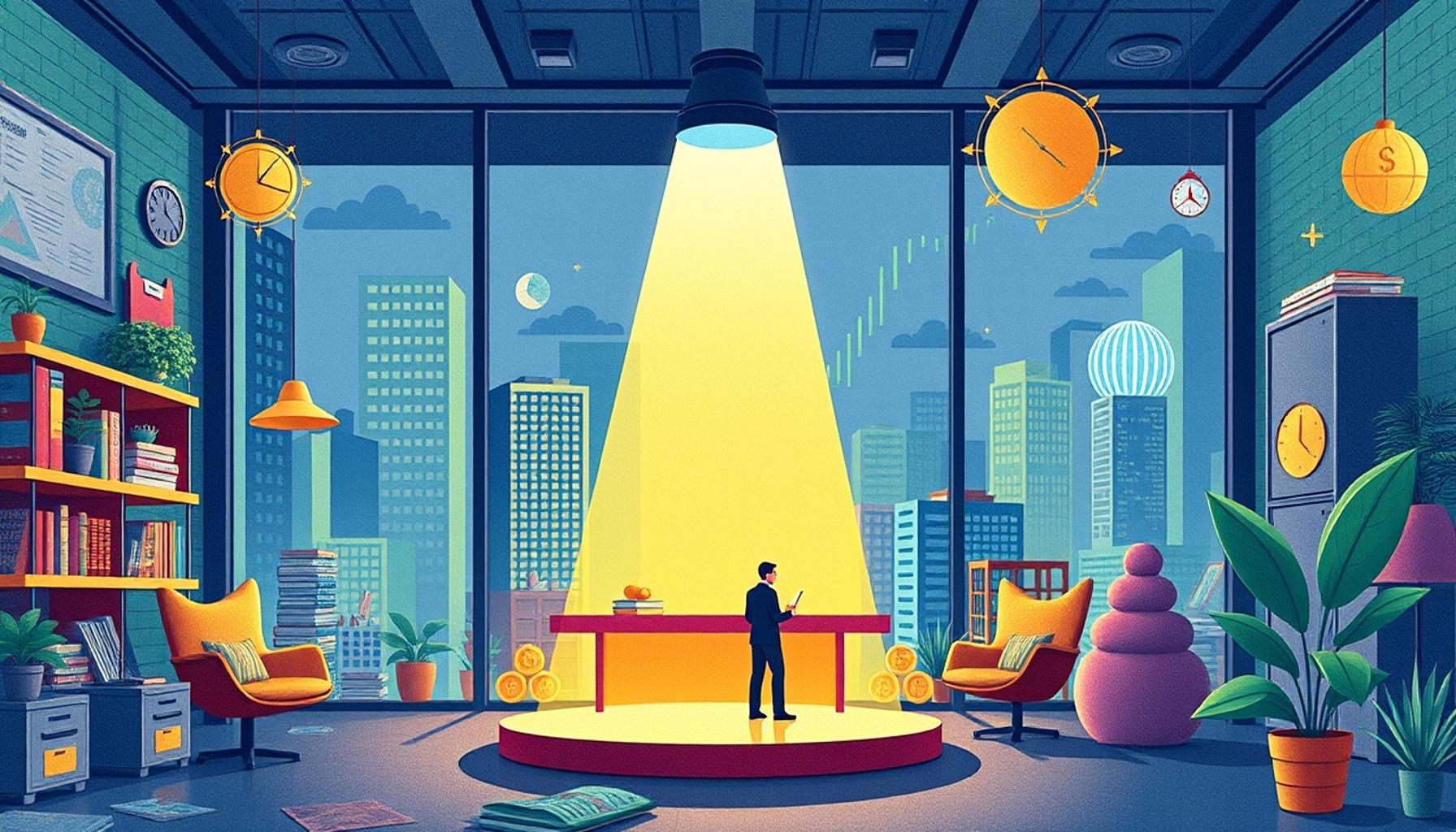
Every room tells a story. The way it is illuminated can either enhance or diminish that narrative. Lighting plays a crucial role in shaping our perception of spaces, influencing not just aesthetics but also mood and functionality. A single light fixture can change the atmosphere of an entire room, highlighting certain architectural features while concealing others. The interplay of light and shadow can evoke emotions, create depth, and even affect how we move through a space.
Consider these factors about how lighting transforms environments:
- Natural Light: Sunlight is perhaps the most powerful tool in creating a welcoming environment. Spaces flooded with natural light, such as those found in sunrooms or those with large windows, typically feel more expansive and inviting. For example, studies have shown that homes with abundant natural light can reduce stress levels and enhance overall well-being. In urban settings, strategies like using reflective surfaces can help mitigate the effects of fewer daylight hours in winter.
- Color Temperature: The color of light significantly influences how we feel in a space. Warm lighting, typically in the range of 2700K to 3000K, is reminiscent of candlelight, creating a cozy atmosphere ideal for living rooms and bedrooms. In contrast, cooler temperatures, from 4000K and upward, can stimulate alertness and concentration, making them great for workspaces and kitchens. For instance, many trendy cafes utilize these temperatures to inspire productivity among patrons.
- Layering Light: Effective lighting design involves multiple layers of light—ambient, task, and accent lighting. Ambient lighting provides the overall illumination necessary for navigation. Task lighting, such as desk lamps, helps in performing specific activities like reading or cooking. Accent lighting directs attention to particular features in a room, such as artwork or architectural details, creating a more dynamic visual experience. For example, modern offices adopting this layered approach often report higher levels of employee satisfaction and decreased fatigue from prolonged tasks.
Research indicates that environments with well-planned lighting can enhance productivity and well-being. For instance, offices that incorporate daylight exposure have reported significant increases in employee performance and satisfaction, proving that the design of workspaces should pay careful attention to lighting. Not only does natural light improve mood, but it can also lead to decreased eye strain, fostering a healthier working environment.
As we delve deeper into this topic, you will discover how to utilize lighting to redefine your personal and professional spaces. Understanding the intricacies of lighting will empower you to create optimized environments that resonate with intent and purpose. With the right approach, you can transform how a space is experienced, making it a canvas that reflects not only function but also personal storytelling.
DISCOVER MORE: Click here to learn about the power of simplicity
Understanding the Different Types of Lighting
When considering the importance of lighting in the perception of optimized spaces, it’s crucial to understand that not all lighting is created equal. Different types of lighting serve unique purposes and can drastically change the way a space is perceived and experienced. Here, we explore the various categories of lighting and their impact on our environments.
1. Ambient Lighting: This is the primary source of light in any room and serves the purpose of illuminating the overall space. Think of it as the foundation of your lighting scheme. Ambient lighting usually comes from ceiling fixtures, chandeliers, or recessed lighting. For instance, a living room with a well-placed chandelier provides general illumination while enhancing the room’s architectural features. Studies indicate that spaces with sufficient ambient lighting are perceived as larger and more welcoming, making it an essential element in optimized space design.
2. Task Lighting: As the name suggests, task lighting is designed for specific activities such as reading, studying, or cooking. Desk lamps, under-cabinet lighting in kitchens, and adjustable floor lamps all fall into this category. Task lighting should be bright enough to help you focus on the task at hand while minimizing shadows and eye strain. In office settings, for instance, effective task lighting can lead to increased productivity since employees can perform their duties without the headache of poor visibility. This is especially pertinent in American workplaces, where logos of leading tech companies often emphasize well-lit, functional workspaces.
3. Accent Lighting: This lighting type is used to highlight certain features of a space, creating visual interest and depth. Accent lights can be used to illuminate artwork, sculptures, or unique architectural details, transforming a standard room into a gallery-like atmosphere. For example, wall-mounted fixtures or track lighting can draw attention to a significant painting, thus enhancing the overall aesthetic appeal of the room. Expertly designed accent lighting can make a space feel curated and intentional, elevating its perception within both personal and professional contexts.
Understanding how these three types of lighting work together is imperative for anyone looking to harness the importance of lighting in optimized spaces. The effective combination leads not only to functional areas but to a harmonious balance between utility and atmosphere. By assessing the needs of a particular space and implementing the right lighting strategy, individuals and businesses alike can create environments that foster well-being and enhance productivity.
As we move forward, we will dive deeper into specific lighting design techniques that can propel your spaces beyond mere functionality, creating experiences rich with emotional impact. From innovative technology to climate considerations, we will uncover the fundamental principles that redefine how we view lighting in every setting.
| Lighting Type | Impact on Space Design |
|---|---|
| Natural Lighting | Enhances mood and reduces stress, making interiors feel larger and more inviting. |
| Artificial Lighting | Allows for customization, creating different atmospheres suitable for various activities and purposes. |
| Accent Lighting | Draws attention to key features, enhancing architectural details and art pieces. |
| Ambient Lighting | Provides overall illumination, influencing how colors are perceived and the overall comfort of the space. |
The Role of Lighting in Space Organization
Lighting plays a crucial role in the organization and functionality of optimized spaces. When strategically placed, various types of lighting can define areas within a room, guiding movement and interaction. For example, task lighting is essential in workspaces, promoting productivity by minimizing eye strain. Moreover, the integration of intelligent lighting systems can automatically adjust brightness based on the time of day, contributing to an environment that adapts to the rhythm of daily life.In addition to functionality, the emotional effect of lighting cannot be understated. Studies show that well-lit spaces can significantly uplift mood, reduce anxiety, and enhance overall well-being. Using a combination of natural and artificial light sources can foster creativity and a sense of community in shared spaces, making them more enjoyable for all.The implications of lighting extend to sustainability as well. Incorporating energy-efficient lighting options not only benefits the environment but also lowers energy costs. Eco-friendly practices are becoming integral to the design of optimized spaces, making awareness of the impact of lighting choices essential. Overall, understanding the various facets of lighting is key to creating environments that are not only visually pleasing but also supportive of human activity and connection.
DIVE DEEPER: Click here for minimalist workspace tips
Strategic Lighting Techniques That Enhance Space Perception
After understanding the different types of lighting, it’s important to explore how strategic lighting techniques can transform the perception of optimized spaces. The way light interacts with a room can not only enhance functionality and aesthetic appeal but also significantly impact emotional responses. Let’s delve into specific techniques that can leverage the power of lighting to elevate any environment.
1. Layered Lighting: A well-planned combination of ambient, task, and accent lighting creates a layered effect that enriches the overall atmosphere of a space. By incorporating multiple light sources at varying heights and intensities, designers can avoid harsh shadows and create a more inviting environment. For instance, an open-concept kitchen and dining area may utilize recessed ceiling lights for ambient lighting, pendant lights over the dining table for task lighting during meals, and under-shelf LED strips for accent lighting of decorative elements. This strategy not only improves functionality but also sets the mood, making spaces feel more alive.
2. Natural Light vs. Artificial Light: The incorporation of natural light is crucial in the design of optimized spaces. Large windows, skylights, and glass doors invite the outdoors in, promoting a sense of openness and connection with nature. Studies have shown that exposure to natural light can boost mood and even enhance cognitive function. However, artificial lighting remains essential for times when natural light is scarce, especially during the winter months. Combining artificial lighting that mimics natural light color temperatures (around 6500K) can help maintain the positive effects of sunlight, contributing to a healthier living or working environment.
3. Color Temperature and Mood Influence: The color temperature of lighting significantly affects the atmosphere of a space. Warmer light (below 3000K) tends to create a cozy, relaxed ambiance, ideal for residential spaces like bedrooms or living rooms. On the contrary, cooler light (above 4000K) is better suited for workspaces as it promotes alertness and concentration. This intentional manipulation of color temperature allows designers to evoke specific feelings, helping to align the space with its intended use, whether it’s a soothing salon or a dynamic conference room.
4. Dimming and Control Systems: The capability to control lighting intensity through dimmers and advanced lighting systems empowers users to adapt the atmosphere to their needs. In multipurpose spaces such as auditoriums or event venues, flexible lighting setups enable quick transitions between different activities—from lectures to dinners—by adjusting light levels accordingly. Moreover, smart lighting technology, such as app-controlled systems, offers personalized settings that enhance user experience, making it easier to create optimized spaces that fit individual preferences.
These strategic lighting techniques not only amplify a space’s potential but also create environments that boost productivity, enhance well-being, and stir emotional responses. With a focus on creating balanced, flexible lighting solutions, designers can ensure that spaces serve their intended purposes while also enriching the experience of those who inhabit them. As we continue to examine the critical role lighting plays, the intersection of technology and environmental awareness stands to revolutionize our perceptions of optimized spaces even further.
DIVE DEEPER: Click here to discover more about decluttering
Conclusion
Ultimately, the significance of lighting in the perception of optimized spaces cannot be overstated. As we have explored, lighting serves as the invisible architect that shapes our experiences within various environments. By employing strategic techniques such as layered lighting, harnessing natural light, manipulating color temperature, and integrating sophisticated control systems, designers can create spaces that not only fulfill practical needs but also enhance emotional well-being.
Research supports that the right lighting can elevate mood, boost productivity, and even foster creativity—essential elements in both residential and commercial settings. For example, in the fast-paced American workplace, environments that prioritize optimal lighting contribute to increased focus and collaboration among teams, illustrating the profound impact of illumination on professional success.
Moreover, the integration of technology in lighting solutions provides an exciting frontier for optimization. From smart lighting systems that adjust to individual preferences to eco-friendly options that promote sustainability, the possibilities are endless. As designers and architects continue to innovate, the evolution of lighting technology ensures that we are not merely illuminating spaces but are also enhancing how we interact with them.
In conclusion, the importance of lighting transcends basic visibility; it plays a crucial role in our day-to-day experiences. As we recognize its power, we are reminded to consider lighting as a key component in the design of any space. The ongoing exploration of this vital element will continue to inspire and improve our interactions, making a profound difference in how we perceive our environments.