
Zen Spaces: Creating Minimalist Living Areas that Promote Well-Being
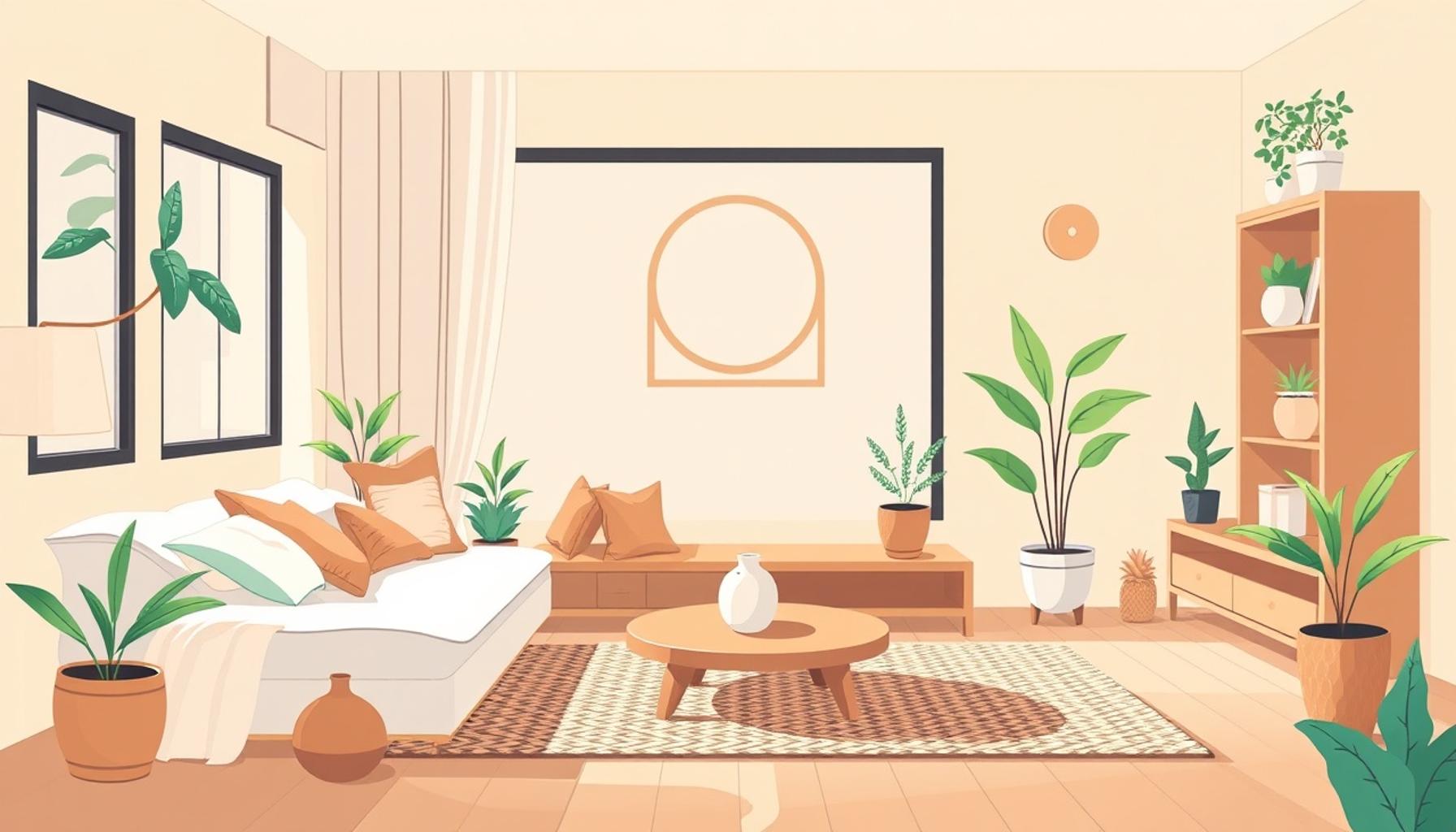
Creating a Peaceful Retreat
In today’s fast-paced world, the concept of a Zen space has emerged as a beacon of tranquility and simplicity. With the ongoing complexities and chaos of daily life, more individuals are recognizing the value of cultivating environments that nurture mental and emotional well-being. A Zen-inspired home does not only serve as a physical retreat but also plays a crucial role in fostering a mindful lifestyle that encourages inner peace and clarity.
Key Features of Zen Spaces
- Decluttered Environments: One of the cornerstones of Zen spaces is minimalism, defined by the strategic removal of excess items. A study published in the Journal of Environmental Psychology indicates that clutter can lead to increased stress levels and difficulty concentrating. By focusing on essential possessions and organizing spaces efficiently, individuals can elevate their mental clarity and promote a sense of order.
- Natural Elements: To create a calming atmosphere, integrating plants and natural materials is essential. Houseplants such as snake plants or peace lilies purify the air and provide a sense of connection with nature—a vital aspect often lost in urban living. Elements like wood, stone, and organic fabrics further enhance this connection, helping to invoke feelings of warmth and relaxation.
- Soft Color Palettes: The colors we surround ourselves with significantly affect our mood. Utilizing neutral tones like whites, beiges, and soft greys can cultivate a serene environment conducive to meditation and reflection. Accent colors inspired by nature, such as soft greens or tranquil blues, can also enhance the overall atmosphere, promoting calmness and stability.
Research highlights that adopting a minimalist lifestyle not only alleviates anxiety but also fosters improved focus and productivity. With intentional design choices centered around tranquility, individuals can create spaces that directly contribute to mental health. This trend is increasingly relevant in bustling urban centers across the United States where the clash between a busy lifestyle and the pursuit of inner peace often leads to a desire for refuge at home.
Why Zen Spaces Matter
- Encouraging mindfulness and meditation practices can significantly enhance self-awareness and emotional resilience.
- Reducing stress and promoting relaxation are essential for maintaining overall health, particularly in high-pressure environments.
- Enhancing overall quality of life contributes to a greater sense of satisfaction and fulfillment, allowing individuals to thrive.
Delving into the principles behind Zen spaces reveals not just aesthetic choices, but a transformative approach to living that prioritizes well-being. By actively choosing to create minimalist living areas that embody peace and calm, individuals can engage with their surroundings in a more meaningful way. Join us as we explore practical tips, techniques, and adjustments that will empower you to craft your own personal sanctuary within the hustle and bustle of everyday life.
DON’T MISS: Click here to discover how decluttering can boost your daily efficiency
Design Principles for Zen Spaces
Creating a Zen space goes beyond mere aesthetics; it embodies a philosophy centered on harmony, balance, and the intentional use of space. When designing minimalist living areas, it’s essential to consider various design principles that contribute to a calming environment. Embracing these principles can transform a cluttered room into a soothing sanctuary, offering respite from the outside world and promoting holistic well-being.
Balance and Proportion
One of the fundamental aspects of a Zen-inspired home is achieving balance and proportion. Spaces should feel visually comfortable and inviting, guiding the eye naturally through the room without overwhelming the senses. This can be accomplished by:
- Symmetrical Arrangements: Arrange furniture and decor in a way that creates symmetry, which can evoke feelings of harmony. For instance, flanking a sofa with identical side tables can enhance a sense of equilibrium.
- Appropriate Scale: Select furniture that complements the size of the room. Large pieces in small spaces can feel oppressive, while tiny furniture in expansive areas may seem lost. Finding the perfect scale helps maintain a harmonious atmosphere.
- Visual Weight Distribution: Distribute visual weight across a room to avoid any singular area feeling overly crowded or empty. This can be achieved by balancing heavy furniture with lighter elements, such as floor lamps or artwork.
Intentional Lighting
Lighting plays a pivotal role in shaping the ambiance of any space, especially within Zen environments. Soft, natural light fosters a serene atmosphere and has been linked to improved mood and productivity. Here are some effective strategies for incorporating intentional lighting in your minimalist living areas:
- Maximize Natural Light: Use light, airy window treatments to allow sunlight to filter in. Consider placing mirrors strategically to reflect light and create a more expansive feel.
- Layer Lighting: Combine ambient, task, and accent lighting to create depth. Dimmable LED fixtures or strategically placed sconces can add warmth and flexibility to your space.
- Use Soft Glows: Incorporate warm-toned bulbs and avoid harsh fluorescent lights. Utilizing various light sources can soften shadows and lend a comforting glow in the evenings.
Research indicates that enhanced control over lighting can reduce stress, making it a vital consideration in the design of Zen spaces. By choosing light fixtures that complement your aesthetic while serving practical needs, homeowners can create an environment that nurtures relaxation and calm.
Ultimately, designing your Zen space is an invitation to embrace simplicity and mindfulness. These principles of balance, proportion, and intentional lighting are stepping stones toward curating an environment that reflects serenity. As you embark on this journey, consider how these elements can harmonize within your unique home to enhance your overall well-being.
Exploring the Elements of Zen Spaces
Creating a minimalist living area that embodies the principles of Zen is not just about reducing clutter; it’s about enhancing well-being through purposeful design. Each element plays a critical role in promoting tranquility and mindfulness. This section delves deeper into the essential components that contribute to a calm and harmonious environment.
Natural Light
Natural light is a key feature in Zen spaces. It not only illuminates the area but also uplifts the mood. Incorporating large windows or skylights allows sunlight to pour in, creating a serene atmosphere. This connection with nature can enhance feelings of well-being and reduce stress levels.
Earthy Color Palette
The color palette is another important factor. Utilizing earthy tones, such as soft greens, browns, and neutrals, can evoke a sense of peace. These colors are reminiscent of nature, helping to create a calming environment that promotes relaxation and mindfulness.
Natural Materials
Using natural materials like wood, stone, and bamboo not only enhances the aesthetic but also connects the living spaces to the earth. Wooden furniture, for instance, adds warmth and creates visual harmony. The textures of natural materials are important for stimulating the senses without overwhelming the mind.
Decluttering for Clarity
A minimalist approach requires a commitment to decluttering. This practice is not simply about discarding items but involves asking what truly serves a purpose in your life. A decluttered space has a profound impact on mental clarity and emotional well-being, allowing one to focus on what truly matters.
Incorporating Nature
Bringing the outdoors inside is vital. Incorporating houseplants and natural elements can improve air quality and create a refreshing ambiance. Plants have been shown to reduce anxiety and elevate mood, making them essential in the creation of a Zen space.In summary, focusing on these elements is fundamental in crafting minimalist living areas that not only look aesthetically pleasing but also foster a sense of well-being. These considerations encourage individuals to explore personal touches while maintaining simplicity—a vital aspect of Zen living. By embracing these ideas, one can transform their environment into a sanctuary of peace and mindfulness.
| Category | Advantages |
|---|---|
| Natural Light | Enhances mood and promotes a serene atmosphere. |
| Decluttering | Fosters mental clarity by removing distractions. |
DISCOVER MORE: Click here to delve deeper
Natural Elements and Textures
Incorporating natural elements and textures into your Zen space can significantly enhance the sense of tranquility and connection to nature. The inclusion of organic materials not only contributes to a calming atmosphere but also fosters a grounding experience, reminding us of the beauty of the world outside. Here are some ways to bring nature indoors:
- Plants and Greenery: Integrate indoor plants to purify the air and bring life into your home. Species such as peace lilies and snake plants are excellent choices as they thrive in low light and require minimal care. Research has shown that being around plants can reduce stress and improve mood, making them an essential part of any Zen space.
- Natural Materials: From bamboo flooring to wooden furniture, using natural materials fosters a sense of warmth and connection. Materials like wool or cotton for textiles add softness and create a tactile experience that enhances comfort.
- Water Features: Consider incorporating a small indoor water fountain or aquarium. The gentle sound of flowing water is known to have a soothing effect, contributing to an overall relaxing atmosphere.
Color Palettes and Minimalist Decor
The choice of color within a Zen space plays a crucial role in influencing mood and energy. Soft, neutral tones and earth-inspired palettes can evoke a sense of calm and balance. Here are some tips on how to select your color palette effectively:
- Neutral Grounding Tones: Whites, creams, beiges, and muted grays serve as excellent backdrops, allowing decor elements to stand out without overwhelming the senses. These colors provide a serene foundation that makes the space feel open and airy.
- Accent Colors: Use accent colors sparingly to infuse warmth or vibrancy. Shades of green or soft blues can enhance the natural feel, while deeper browns and rusts may evoke a sense of coziness.
- Art and Minimal Decor: Opt for artwork or decor that embodies simplicity and peace. Art should either reflect nature or convey a sense of tranquility to align with the Zen philosophy. A singular, large piece can often create a focal point without creating visual clutter.
Beyond the color choices, personalizing your space with meaningful, minimalist decor can enhance well-being. Opt for a few cherished items that remind you of cherished memories or aspirations—these can foster a sense of contentment and add a personal touch without contributing to chaos.
Mindful Furniture Arrangement
The way furniture is arranged can profoundly influence the energy flow within a space. A thoughtful layout promotes ease of movement and interaction, which is essential for fostering a sense of peace. Here are some strategies for arranging furniture mindfully:
- Open Spaces: Avoid overcrowding by leaving ample space for movement. Establish clear paths for traffic flow, and consider how each piece supports functionality without detracting from the overall calm.
- Low-to-the-Ground Pieces: Incorporating lower-profile furniture, such as low sofas and wide coffee tables, encourages a relaxed environment. This can also enhance the feeling of spaciousness.
- Multi-Functional Furniture: Invest in furniture that can serve multiple purposes, such as storage ottomans or extendable dining tables. These pieces minimize clutter while maximizing utility.
Creating a Zen space is an ongoing journey that invites individuals to explore simplicity and mindfulness in their homes. By integrating natural elements, choosing calming color palettes, and thoughtfully arranging your furniture, you can foster a minimalist living area that profoundly promotes well-being and invites tranquility. Consider how these elements resonate within your personal sanctuary as you cultivate a space that radiates peace and harmony.
EXPLORE MORE: Click here to discover the significance of personal space in mindful living
Wrapping Up Your Zen Space Journey
In our fast-paced world, creating a Zen space within our homes can serve as a crucial sanctuary to restore balance and enhance well-being. By thoughtfully incorporating elements such as natural materials, plants, and a calming color palette, we can transform ordinary living areas into tranquil retreats. The use of indoor greenery not only purifies the air but has also been shown to uplift mood, providing the emotional benefits we often seek amid daily stressors.
The arrangement of furniture plays an equally important role. Maintaining open spaces and selecting multi-functional pieces can promote effortless movement and interaction. This intentional layout nurtures an atmosphere where peace and mindfulness can flourish, allowing us to fully engage with our surroundings. Minimalist decor, rich in personal significance, further enhances our connection to these spaces, reminding us of what truly matters.
Ultimately, designing a minimalist living area that promotes well-being is not merely about aesthetics; it’s about creating an environment that cultivates a deeper sense of awareness and tranquility. Each choice made—from the color of the walls to the placement of furniture—should resonate with your personal journey towards peace. As you embark on this quest to simplify and harmonize your surroundings, consider how each aspect of your Zen space can encourage a life filled with serenity and joy. Explore the deeper meanings of your space and allow it to be a reflection of your inner harmony.