Transformation of Environments: How Lighting and Colors Impact the Optimization of Minimalist Spaces
The Impact of Design Elements on Space Utilization
The design of a space can dramatically influence its functionality and aesthetic appeal. In minimalist environments, where simplicity reigns, the roles of lighting and color become even more crucial. Understanding these elements can lead to optimized spaces that resonate with calmness and clarity. By enhancing a minimalist design, the right integration of lighting and color can transform an ordinary area into a sanctuary of sophistication and tranquility.
Consider the following important factors:
- Lighting: It not only controls the mood but also affects perception and highlights design elements. Natural light plays a vital role in this regard, promoting well-being and enhancing the overall ambiance of a room. For example, large windows that allow sunlight to flood a space can create an uplifting atmosphere, while dimmable LEDs can adjust the mood for different times of the day.
- Color: Different shades evoke emotions, set the atmosphere, and define boundaries. In minimalist design, soft hues like whites, grays, and muted pastels can create a cohesive and serene environment. A splash of vibrant color, like a deep blue or a rich green, can provide focal points that draw the eye and add character to the space without overwhelming it.
- Minimalist Design: This approach prioritizes functionality where each element serves a purpose. In this context, furniture and decor are carefully chosen not just for their aesthetic properties but also for their utility, allowing for a clutter-free environment that encourages relaxation and productivity.
In the heart of the U.S., minimalism has surged in popularity, reflecting a cultural shift towards less clutter and more intentional living. This transition is driven by a desire for clarity amidst the chaos of everyday life. By strategically employing light and color, homeowners and designers can transform an ordinary space into an extraordinary experience. Consider how a single, well-placed pendant light can become a statement piece in an otherwise simple room or how strategically painted accent walls can redefine the spatial experience.
This article will delve into how lighting techniques and color palettes can enhance the beauty and utility of minimalist settings. For example, the use of track lighting can create versatile illumination, allowing homeowners to highlight artwork or key architectural features while maintaining the overall minimalistic ethos. Explore the science behind these design choices—understand that warm white light can evoke comfort while cooler tones can stimulate focus and creativity in office spaces. Discover how these elements, artfully combined, can create environments that not only look stunning but also function to meet modern needs. Every choice made in a minimalist design unveils the potential for clarity, purpose, and renewed appreciation for space.
DISCOVER MORE: Click here to enhance your productivity
Illuminating Minimalism: The Role of Lighting in Space Design
When it comes to transforming minimalist spaces, lighting often holds the key to unlocking their full potential. The strategic use of light can enhance the ambiance while fulfilling practical requirements. In minimalist design, where fewer elements are prioritized, proper lighting becomes essential in showcasing these elements effectively. For instance, consider using large windows to maximize natural light, which can not only create a sense of openness but also improve overall mental well-being. Studies have shown that exposure to natural light can boost mood and productivity, making it invaluable in both residential and workspace environments.
Moreover, incorporating artificial lighting can offer versatility, allowing spaces to adapt over time. Dimmable LED lights provide options to transition from vibrant brightness during the day to a calm, subdued glow in the evening. This control over lighting intensity facilitates a variety of atmospheres suitable for different activities—from energetic family gatherings to serene evenings of relaxation.
Here are a few effective lighting techniques to consider:
- Task Lighting: Focused lights, such as desk lamps or under-cabinet lighting in kitchens, provide specific illumination for activities, enhancing functionality without cluttering the aesthetic of the space.
- Accent Lighting: Highlighting artwork or architectural features through spotlights or backlighting creates visual interest and adds depth, allowing minimalist elements to shine.
- Ambient Lighting: This overarching light source, such as ceiling fixtures or wall-mounted sconces, establishes a warm foundation, harmonizing the room and making it inviting.
Color: The Emotional Palette of Minimalism
The impact of color in a minimalist environment cannot be overstated. It has the power to influence emotions, perceptions, and even the perceived dimensions of a space. In minimalist design, where every element matters, selecting the right color palette is vital. Soft hues such as whites, creams, and subtle grays create an aura of calmness, fostering a relaxing environment. These tones work cohesively, inviting tranquility and clarity amid an often chaotic reality.
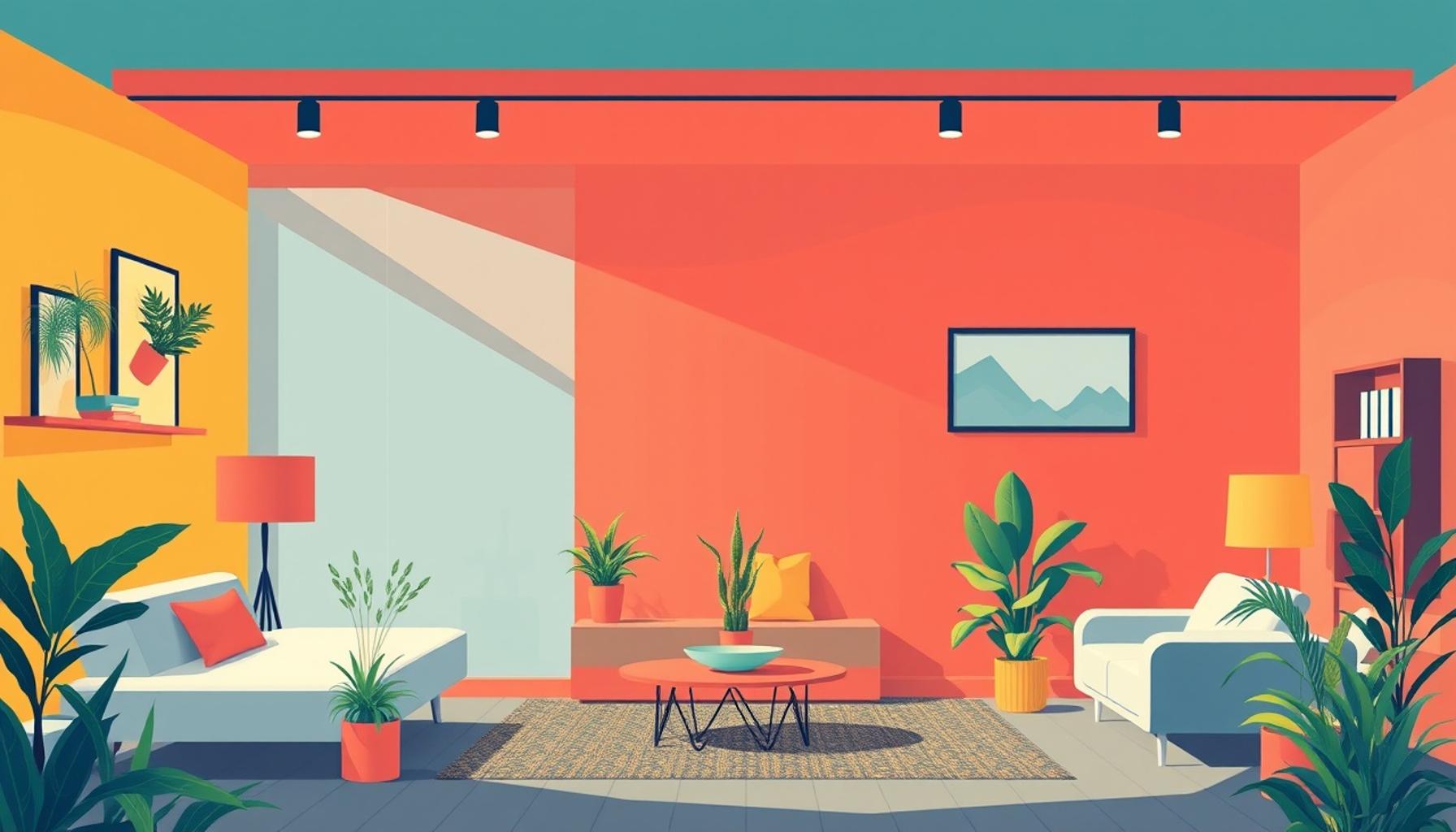
On the other hand, integrating bold colors sparingly can create striking focal points that captivate attention. A single deep blue accent wall or a bright piece of furniture against a neutral background can invigorate the space, beckoning interest while keeping the overall look minimal. This approach aligns with the minimalist philosophy—where each color choice serves a purpose and contributes meaningfully to the design narrative.
Furthermore, the psychological effects of colors are significant. For example:
- Blue: Often associated with tranquility and peace, this color can help enhance focus in home offices or study areas.
- Green: Symbolizing growth and renewal, it can add a calming touch to bedrooms or living spaces.
- Yellow: A cheerful color, infusing energy and optimism when used in kitchens or playrooms.
As such, blending light and color intelligently in minimalist designs can lead to the creation of serene and functional environments, appealing to both aesthetic and psychological needs. By embracing these elements, designers and homeowners alike can find joy in simplicity while cultivating inspiring spaces.
Lighting and colors play pivotal roles in transforming environments, particularly in minimalist spaces. A well-thought-out lighting design can significantly enhance the functionality and aesthetic appeal of these areas, while the choice of colors can influence mood and perception. One of the key aspects of effective lighting in minimalist spaces is the use of natural light. Large windows and strategically placed mirrors can amplify the flow of sunlight, creating a sense of openness and warmth. This infusion of natural light not only highlights the simplicity of minimalist design but also promotes well-being by connecting occupants with the outside environment. Incorporating dimmable LED lights can further add versatility, allowing residents to modify the ambiance according to different times of the day or specific needs.On the color front, neutral tones dominate the minimalist aesthetic, providing a clean and uncluttered backdrop. Shades of white, beige, and soft greys can make spaces appear larger and more inviting. However, adding splashes of bold colors through accessories or accent walls can enliven the environment and create focal points. For instance, a vibrant art piece or a striking piece of furniture can serve as a conversation starter and add personality without overwhelming the minimalist ethos. This thoughtful interplay of lighting and colors not only enhances visual appeal but also contributes to the cognitive and emotional experiences of the occupants. The right lighting can reduce stress and create a sense of serenity, while color can evoke various feelings from calmness to stimulation. Understanding these elements is essential for anyone looking to optimize their minimalist spaces. In conclusion, the carefully balanced application of lighting and colors can dramatically influence how minimalist spaces are perceived and experienced — transforming mundane environments into extraordinary havens of tranquility and style. Exploring these elements can unlock the full potential of minimalist design, inviting inhabitants to live more consciously and aesthetically.
DISCOVER MORE: Click here to uncover the benefits of mental detox
Creating Contrast: The Synergy of Light and Color
The relationship between lighting and color in minimalist spaces is a dance of synergy that creates a visual and emotional impact. By enhancing or softening colors with appropriate lighting, homeowners and designers can manipulate the perception and atmosphere of a space. This process begins with understanding how different lighting qualities, such as warmth or coolness, can influence color perception. For example, a warm-toned light can enhance the coziness of earthy hues, while cool-toned lighting can heighten the crispness of minimalist whites and grays.
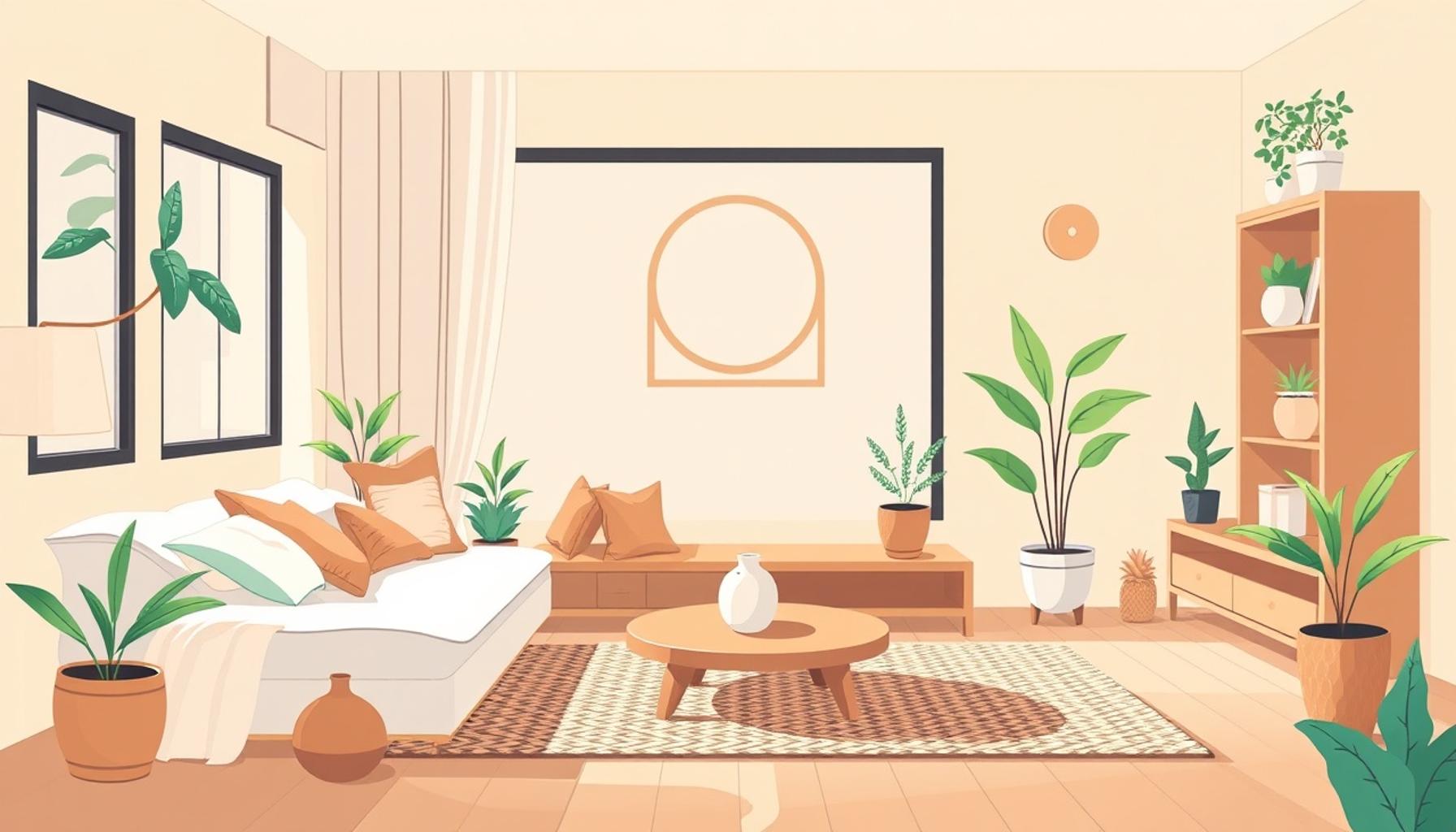
Consider the practical application of this interaction. In a living room designed with a minimalist approach, incorporating warm white LEDs can create an inviting space that complements soft beige walls, enhancing the warmth and intimacy of the room. Conversely, bright white or cool-toned lighting can invigorate an office area filled with bold geometric patterns and stark whites, fostering an atmosphere ideal for productivity and focus.
When selecting light fixtures, the color temperature plays a pivotal role. Measured in Kelvin (K), color temperature ranges from warm, soft lighting (around 2700K) to stark, daylight-like illumination (5000K and above). Understanding these subtleties allows designers to select fixtures that not only provide adequate light but also resonate with the overall color palette of the space.
Accessibility and Sustainability: Meeting Modern Needs
As society becomes increasingly conscious of sustainability, the role of eco-friendly lighting and color choices becomes ever more pertinent in minimalist designs. Utilizing energy-efficient lighting solutions, such as LED bulbs or solar-powered lanterns, can significantly reduce a home’s carbon footprint. These modern solutions do not compromise style; rather, they harmonize with minimalist principles by offering sleek designs that blend into the simplicity of the space.
Moreover, sustainable color choices—like low-VOC (volatile organic compounds) paints—ensure a healthier indoor environment while maintaining aesthetic appeal. Colors derived from natural sources, such as clay or botanical extracts, can create unique shades and textures that complement minimalist ideals. For instance, muted greens or soft browns can bring a touch of nature indoors, fostering a sense of connection with the outdoors.
Color Psychology: Crafting Experiences Through Design
Understanding the psychological effects of color can lead to carefully curated minimalist environments that evoke specific feelings and reactions. The minimalist concept promotes a space devoid of extraneous elements, allowing the emotional resonance of color to take center stage. For example:
- White: Symbolizing purity and simplicity, it can create a profound sense of calm but may feel cold if overused—a balance achieved through incorporating warm lighting.
- Gray: Often perceived as timeless and sophisticated, selecting various shades can introduce depth, while changes in lighting can influence its appearance dramatically throughout the day.
- Soft Pastels: Colors such as blush pink or light lavender infuse a space with charm and subtle emotional warmth, encouraging relaxation—ideal for bedrooms and soothing areas.
As we delve deeper into the transformation offered by lighting and color, the realization emerges: these elements are not merely design choices; they are vital tools in creating environments that invigorate, calm, and inspire. By understanding their interconnections, designers and homeowners can optimize minimalist spaces, making them not just visually appealing but also profoundly impactful on the human experience.
DISCOVER MORE: Click here to dive deeper
Conclusion: The Power of Light and Color in Minimalist Design
The journey through the realm of lighting and colors in minimalist spaces reveals their profound impact on how we experience our environments. This exploration emphasizes that strategic use of color palettes and lighting techniques not only shapes the aesthetic appeal of a space but also influences our emotions and behaviors. As we’ve seen, creating thoughtful contrasts can enhance both the functionality and beauty of a minimalist design, making an otherwise stark space feel welcoming or energizing depending on the chosen color temperature.
Furthermore, the growing emphasis on sustainability in modern design necessitates an awareness of eco-friendly lighting solutions and paints that meet the aesthetic needs while nurturing our planet. This balance between aesthetic prowess and environmental responsibility sets the stage for thoughtful, modern interiors. Homeowners and designers alike are encouraged to dive deeper into the psychological effects of color, utilizing warm neutrals and cool tones to craft experiences that resonate with comfort, sophistication, or stimulation.
Ultimately, the transformation of environments through lighting and colors is not merely about choosing a hue or a fixture; it represents an intentional approach to creating spaces that reflect our values and aspirations. As we continue to embrace minimalist design principles, the interplay of color and light will undoubtedly remain a vital focus, guiding us toward living environments that are not only visually striking but also harmoniously attuned to our emotional and psychological well-being. By harnessing these elements, we can redefine our spaces—inviting serenity or creativity, all while preserving the essence of simplicity.