
Minimalism and Energy Efficiency: How to Reduce Consumption and Maximize Results at Home
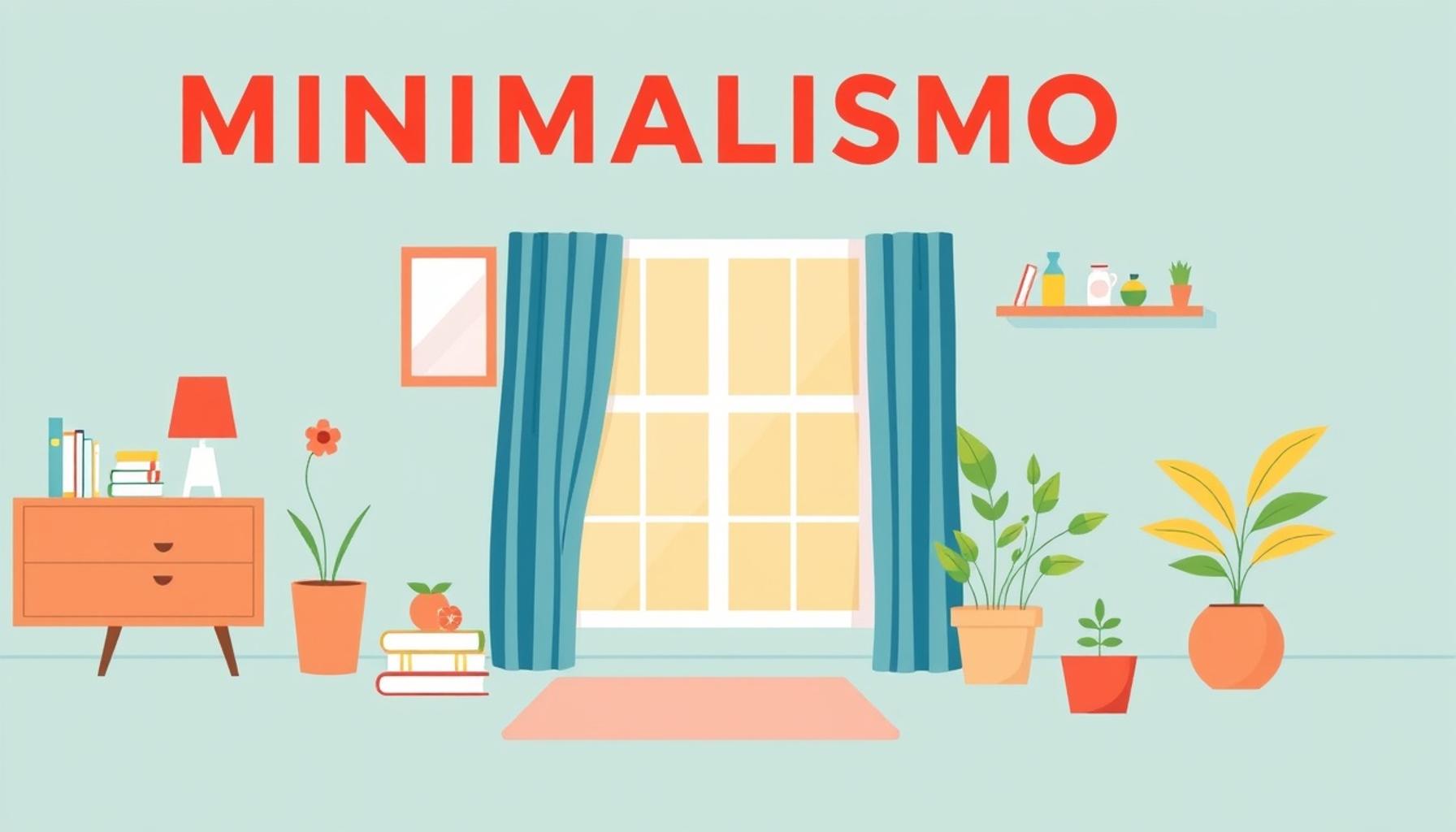
Embrace a Sustainable Lifestyle
In a world dominated by consumer culture, where the allure of acquiring more often eclipses the essentiality of retaining only what adds value to our lives, the philosophy of minimalism offers a refreshing perspective. Adopting a minimalist lifestyle not only cultivates personal well-being but also plays a significant role in enhancing your home’s energy efficiency. By championing simplicity and intentionality, minimalism guides you towards a more sustainable way of living, where every choice counts towards a healthier environment.
One of the most appealing aspects of integrating minimalism into your life is the tangible benefits it provides. Below are ways in which this lifestyle can facilitate energy conservation and create a more sustainable home environment:
- Lower Utility Bills: Embracing minimalism often translates to reducing clutter and excess items that require energy to maintain. For instance, fewer devices plugged in or a more strategic layout can lead to significant reductions in your electricity usage, thus directly impacting your monthly utility expenses. You might find that simplifying your lighting fixtures leads to using energy-efficient LED bulbs instead of traditional incandescent lamps.
- Enhanced Space Utilization: Minimalism encourages a thoughtful arrangement of spaces. When you declutter, it creates a more breathable environment, which allows heating and cooling systems to work more efficiently. For example, by keeping vents free from obstructions or investing in lightweight, multifunctional furniture, you can create a space where temperature regulation is easier and less energy-intensive.
- Mindful Consumption: Adopting a minimalist mindset extends to purchasing habits as well. This reflects the principle of investing in high-efficiency appliances that, while initially more costly, prove to be more economical over time. A model such as ENERGY STAR certified appliances not only consumes less energy but also reduces your carbon footprint, showcasing how minimalism aligns with a more sustainable future.
Incorporating these minimalist principles into your daily life cultivates not just an aesthetically pleasing environment but also an eco-conscious one. This lifestyle fosters a serene atmosphere that can reduce stress and enhance overall quality of life while actively contributing to environmental preservation in the face of today’s pressing challenges.
As we delve deeper into the junction of minimalism and energy efficiency, it becomes evident that simple adjustments in our habits can yield significant results. Reassessing what constitutes necessity versus excess will challenge you to make informed decisions that align with sustainable practices. Merging these choices invites a dialogue about how we can collectively reduce consumption and creatively maximize positive outcomes in our homes and communities.
DIVE DEEPER: Click here for mindfulness strategies
Unlocking the Intersection of Minimalism and Energy Efficiency
The essence of minimalism lies in the intentional elimination of excess, advocating for a lifestyle where every possession serves a purpose. This philosophy transcends aesthetics and spills into practical realms like energy efficiency, ultimately transforming not just our homes but our approach to consumption and sustainability. By embracing a minimalist viewpoint, homeowners can significantly enhance their energy performance while enjoying the myriad benefits of a clutter-free environment.
To explore this connection further, consider the concept of energy-efficient design, which incorporates strategies aligned with minimalist principles. Here are a few concrete examples to illustrate how thoughtful choices can lead to both reduced consumption and increased results at home:
- Smart Technology Integration: Investing in smart home devices can streamline energy usage. For instance, smart thermostats learn your habits and adjust heating or cooling accordingly, reducing electricity usage without sacrificing comfort. This means fewer traditional appliances cluttering your home and more control over your consumption patterns.
- Natural Light Utilization: A minimalist design often prioritizes open spaces and natural elements. Strategically placed windows create brightness and warmth, reducing the need for artificial lighting during the day. Consider implementing skylights or larger windows that invite sunlight while ensuring optimal insulation to prevent energy loss.
- Decluttered Zones: A well-organized home improves airflow, allowing HVAC systems to function more efficiently. By simplifying furniture arrangements and eliminating unnecessary decor, rooms can maintain comfortable temperatures without heavy reliance on heating and cooling systems.
- Multi-Functionality: Minimalist interiors commonly feature multi-use furniture, reducing the need for separate items that take up space and potentially consume more resources. For example, consider a sofa bed or a foldable dining table that can serve multiple purposes without consuming excess energy through maintenance.
These examples demonstrate how integrating minimalism with energy-efficient practices not only simplifies your living space but also enhances functionality. It invites a holistic approach to energy use that is more in tune with our values of sustainability and mindfulness.
As homeowners navigate the journey towards greater efficiency, it becomes essential to recognize and challenge the notion of “more” as better. In lieu of excessive acquisition, a focus on quality, efficiency, and necessity serves as a guiding principle. This reimagining of priorities creates a ripple effect, propelling sustainable living into daily practice and fostering a healthier atmosphere for future generations.
What emerges is a dynamic relationship where minimalism does not merely coexist with energy efficiency; rather, it catalyzes it. The choice to minimize not only contributes to individual well-being but also offers profound implications for our planet. By understanding this interconnectedness, homeowners can take actionable steps towards a more efficient, mindful existence within their homes.
| Advantages of Minimalism | Energy Efficiency Points |
|---|---|
| Decluttered Spaces | Reduces energy consumption by making it easier to maintain a comfortable home environment. |
| Enhanced Focus | Allows for the strategic placement of energy-efficient appliances and lighting, maximizing their utility. |
| Lower Maintenance Costs | Streamlined designs often integrate energy-saving technologies that cut down on bills. |
| Sustainable Living | Minimalism promotes the use of sustainable materials and smart energy solutions. |
By embracing minimalist principles, homeowners can effectively enhance their living spaces while simultaneously fostering energy efficiency. The integration of decluttered spaces not only leads to an improved aesthetic but also minimizes energy expenditure by enabling better airflow and reducing the need for excessive heating and cooling systems. Additionally, a focus on enhanced focus aids in the deliberate selection of appliances, ensuring that only the most efficient and necessary devices are utilized.With lower maintenance costs attributed to simplified structures, homeowners can invest in sustainable solutions that yield lasting results. By adopting this approach, not only do we address pressing energy concerns, but we also cultivate a lifestyle conducive to harmony with our environment. Minimalism, thus, becomes a pathway to not just a more beautiful home, but one that is inherently energy-efficient.
DISCOVER MORE: Click here to learn how simplicity can boost your creativity and productivity
Building Sustainable Habits Through Minimalism
In the pursuit of energy efficiency, the integration of minimalism not only pertains to physical possessions but also extends to our daily habits and routines. By adopting a minimalist approach to lifestyle choices, homeowners can cultivate sustainable practices that significantly lower consumption while enhancing comfort and style. Here are some practical strategies that reflect this intertwined relationship:
- Streamlined Energy Usage: Embracing minimalism encourages the reduction of energy-intensive activities. Simple practices such as unplugging devices when not in use, relying on cold water for laundry, or setting appliances to energy-saving modes can yield substantial savings. In fact, the U.S. Department of Energy states that unplugging devices not in use can prevent “phantom loads” of electricity from draining your energy bill, potentially saving homeowners around $100 annually.
- Eco-Friendly Materials: When selecting home furnishings or renovation materials, minimalism promotes thoughtful consumption. Opting for eco-friendly materials—like bamboo, reclaimed wood, or recycled metals—can lead to lower environmental impact. These choices contribute to better energy efficiency as well, often requiring less energy to produce and generate fewer emissions compared to conventional materials.
- Optimal Appliance Choices: In a minimalist home, every appliance should justify its existence. Choosing energy-efficient appliances, such as those with the ENERGY STAR label, minimizes energy waste. For example, ENERGY STAR refrigerators use on average 15% less energy than non-certified models, making them both a smart purchase and a significant contributor to reducing household energy consumption.
- Mindful Consumption Practices: Minimalism encourages intentionality in purchases—not just for aesthetics but for energy consumption as well. Engaging in practices like “buying used” or repairing rather than replacing can drive down overall consumption. This translates into using resources more responsibly, ultimately resulting in lower carbon footprints and fostering a culture of sustainability.
Moreover, creating outdoor spaces that align with minimalist principles can also have profound implications for energy efficiency. Native plants require less irrigation, minimizing water usage and energy costs. Designing gardens with shade trees can lead to lower cooling costs in the summer, showcasing the multifaceted benefits of a thoughtful landscape design.
In the U.S., where energy efficiency is often quantified through programs such as the Home Energy Rating System, homeowners can gauge their energy consumption and uncover areas for improvement. By melding minimalist philosophies with these ratings, it becomes easier to identify redundant systems or spaces that could be simplified and improved, whether that involves upgrading insulation or transitioning to a more efficient heating system.
As awareness surrounding energy consumption grows, the minimalist approach offers a practical avenue for meaningful change. Through smart investments in energy-efficient technologies, sustainable materials, and mindful consumer habits, homeowners can effectively reduce their carbon footprint while maximizing the benefits of their living spaces.
The juxtaposition of minimalism and energy efficiency is not merely academic; it invites an actionable framework for living more mindfully. Those willing to explore this synergy will find avenues to not only preserve their resources but also create environments that enrich their lives. Navigating the world with fewer possessions can lead to a profound understanding of both consumption and efficiency, ultimately fostering a more sustainable lifestyle.
DISCOVER MORE: Click here to deepen your understanding
Conclusion
In conclusion, embracing minimalism is not just a lifestyle choice, but a transformative pathway towards enhancing energy efficiency at home. By focusing on reducing clutter and simplifying consumption, homeowners can not only cultivate a more serene living environment but also achieve significant energy savings. This approach underlines the importance of intentional living—evaluating every purchase, examining energy usage, and opting for sustainable materials that align with eco-friendly goals.
The practical application of minimalist principles involves adopting smarter habits, such as unplugging devices to combat phantom energy loads and choosing ENERGY STAR certified appliances that operate efficiently. Furthermore, designing outdoor spaces that utilize native plants and shade trees can lower irrigation and cooling costs, further underscoring the synergies between minimalism and energy efficiency.
As awareness regarding energy consumption increases, it’s beneficial for homeowners to leverage resources like the Home Energy Rating System to assess their energy performance. This highlights the necessity of continuous improvement, identifying opportunities for upgrades that align with both minimalist ideals and energy conservation. Ultimately, integrating minimalism into everyday routines serves as a compelling reminder that by prioritizing quality over quantity, individuals can reduce their carbon footprint and foster a culture of sustainability.
As you embark on this journey towards a minimalist lifestyle, consider the ripple effects it has not only on your immediate surroundings but also on the larger environment. The blend of minimalism and energy efficiency challenges us to rethink how we live, consume, and interact with our spaces, leading to richer lives powered by sustainable choices.