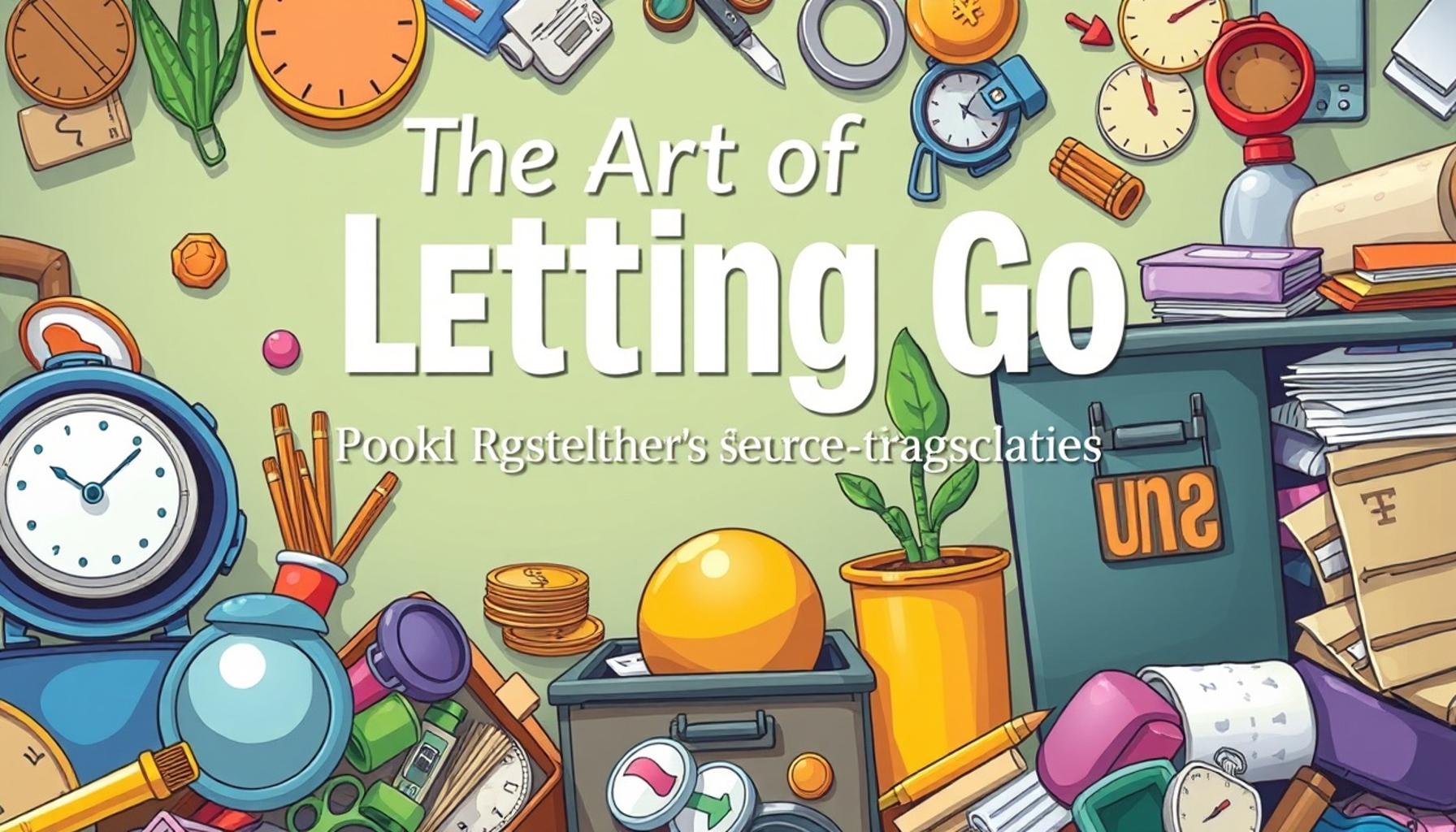
The Journey to a Clutter-Free Mind: How Decluttering Your Space Enhances Mental Clarity

Embrace a Clearer Mindset
Imagine walking into your home and feeling an immediate sense of calm. A space free of clutter not only brings a visual sense of peace but also has profound effects on your mental state. Decluttering is not just about organizing physical items; it’s a journey towards enhancing your mental clarity.
Numerous studies suggest that a cluttered environment can lead to increased stress and distractions, contributing to a chaotic mental state. A survey conducted by scientists from Princeton University found that multiple stimuli in a disorganized setting compete for your attention, thus diminishing your ability to concentrate. Participants in the study reported feeling overwhelmed in cluttered spaces and noted a significant hindrance to their focus. By removing excess items from your surroundings, you can create a tranquil environment conducive to peace and productivity.
- Improved Focus: A tidy space helps direct your attention where it’s needed, allowing you to engage more deeply in tasks. For example, professionals working from home often find that a minimal desk setup—free of distractions—enables sustained periods of concentration.
- Reduced Stress: Less clutter leads to a calmer mind. When belongings are organized, it minimizes the feeling of chaos and enhances overall well-being. This psychological shift can be particularly vital for individuals who are historically prone to anxiety or overwhelm.
- Enhanced Productivity: An organized environment promotes efficiency. Workers in have reported being more productive when their workspace is decluttered, stating that they can find materials quickly and allocate their time more effectively.
- Better Decision-Making: Clarity in your surroundings can lead to clearer choices. Research in cognitive psychology suggests that when people are surrounded by clutter, their brain’s processing speed diminishes, making thoughtful decision-making challenging.
Decluttering has gained traction across the United States, with many subscribing to philosophies and methodologies designed to facilitate this lifestyle change. Techniques such as the KonMari method, popularized by Marie Kondo, guide individuals through a process of evaluating their belongings and keeping only those that “spark joy.” Minimalism is another approach that encourages the reduction of physical items to prioritize experiences and emotional well-being over material possessions. By simplifying your surroundings, you create space not just physically but also mentally.
As you embark on this journey, remember that decluttering is not a one-time task but a continual process. Each step you take can lead to a more holistic sense of clarity and well-being. It may begin with a weekend purge of excess items, but over time, cultivating a habit of assessing what truly adds value to your life can transform your relationship with your space, ultimately leading to sustained mental clarity.
DISCOVER MORE: Click here for insights on creating efficient routines
Understanding the Impact of Clutter on Mental Health
In today’s fast-paced world, it is increasingly common to feel overwhelmed by the demands of everyday life. Clutter often adds an additional layer of stress, making it more challenging to focus and engage with what truly matters. Cognitive scientists have explored this phenomenon, revealing compelling links between our physical surroundings and our mental well-being.
Psychologists note that a cluttered environment can lead to feelings of unease, as it forces our brains to work harder to process the competing stimuli around us. This constant state of distraction can culminate in cognitive fatigue, reducing overall life satisfaction. So how exactly does decluttering enhance mental clarity? Understanding the psychological mechanisms behind this phenomenon sheds light on the importance of a streamlined environment.
The Psychological Benefits of a Decluttered Space
Decluttering does not merely improve aesthetics; it plays a vital role in mental health and cognitive function. Here are several key psychological benefits associated with maintaining an organized environment:
- Increased Sense of Control: A decluttered space fosters a sense of control over your environment. When everything has its place, you are less likely to feel overwhelmed by disorganization, allowing for better management of daily tasks.
- Heightened Mindfulness: The process of decluttering encourages mindfulness, prompting you to consider your items and their significance. This practice helps cultivate a more intentional lifestyle where you engage more meaningfully with your possessions and surroundings.
- Decreased Decision Fatigue: A cluttered space demands constant decision-making about what to keep and what to discard. By simplifying your environment, you reduce the number of trivial decisions you must make daily, conserving mental energy for more significant aspects of your life.
- Enhanced Creativity: A clean, open space can stimulate creativity and innovation. When your environment is decluttered, you create mental pathways that allow ideas to flow freely and reduce the boundaries that inhibit creative thinking.
Building on these benefits, a consistent approach to decluttering aligns with various organizational philosophies, encouraging individuals not only to clear out space but also to forge a deeper connection with their environment. For instance, the Zen philosophy champions simplicity, promoting an unobstructed view that can clear the mind and sharpen focus. This can be particularly powerful for urban dwellers in high-stress environments who can easily become engulfed in clutter.
Ultimately, fostering mental clarity through decluttering is a practice grounded in understanding both the physical and psychological realms. It paves the way for a transformative journey, elevating your mental state and enhancing your overall quality of life. By starting with intentional steps, you can unlock greater clarity and peace within your mind, contributing to a richer experience in your daily life.
| Advantages of Decluttering | Description |
|---|---|
| Increased Productivity | By organizing your space, you can focus better and accomplish tasks more efficiently. |
| Enhanced Mental Clarity | A decluttered environment reduces distractions and fosters clearer thinking. |
In the pursuit of a clutter-free life, one must confront the inherent complexities that come with it. As discussed, the advantages of decluttering extend far beyond mere aesthetics. When you embrace the practice of relinquishing excess belongings, you set the stage for a dramatic transformation in mindset. A prominent benefit is the potential for increased productivity. Studies suggest that a clean workspace correlates with the ability to concentrate on tasks without unnecessary interruptions. The more organized your environment, the easier it becomes to streamline your workflow, enhancing efficiency and output.On a psychological level, decluttering profoundly impacts your mental health. Enhanced mental clarity can be experienced as you eliminate visual noise from your field of vision. Distractions are minimized, allowing thoughts to flow more freely and creativity to blossom. The experience can be likened to peeling back layers of chaos to reveal the clarity that lies beneath. Decluttering your surroundings isn’t just a physical task; it’s a journey that provides mental liberation. As you let go of what no longer serves you, you pave the way for renewed focus, driving you to explore deeper facets of your creativity and productivity. This revitalization not only encourages a more organized lifestyle but also inspires a healthier state of mind that resonates with positivity and clarity.
DISCOVER MORE: Click here for effective decluttering strategies
Creating a Path to Clarity: Practical Steps for Decluttering
Embarking on the journey to a clutter-free mind goes beyond simply tidying up your physical space; it entails a series of intentional actions and mindsets that can lead to profound psychological benefits. By adopting a systematic approach to decluttering, individuals can transform their environments and, in turn, their mental clarity.
Implementing Effective Decluttering Strategies
To effectively declutter your space, consider incorporating the following methods:
- The Four-Box Method: This straightforward strategy involves labeling four boxes: Keep, Donate, Trash, and Undecided. As you go through your belongings, place each item in its designated box. This helps streamline the decision-making process and declutters your mind by creating clear categories.
- The 30-Day Minimalism Challenge: Popularized by the minimalist movement, this approach encourages you to eliminate a specific number of items each day over 30 days. Starting with one item on the first day, two on the second, and so forth, this gradual method can have a profound impact, revealing how little you truly need to feel fulfilled.
- Time-Chunking: Set aside short, manageable periods—such as 15 or 30 minutes—to declutter specific areas without the overwhelming pressure of dedicating an entire day. This focused time chunking can help you stay motivated and prevent burnout, making the process feel less daunting.
- The “One In, One Out” Rule: Implement a strict policy where every time you acquire a new item, one must be removed from your space. This habit not only keeps your environment from becoming overcrowded but also reinforces the notion of intentionality in your purchases.
In addition to these methods, understanding the emotional connections we form with our belongings can enhance the decluttering process. Many people hold onto items for sentimental reasons, believing they represent memories or relationships. However, it is vital to reassess the true value these items hold. Ask yourself questions such as: “Does this item bring me joy?” or “Do I truly use it?” This introspection can aid in making more conscious decisions about what to keep and what to let go.
Building a Decluttering Mindset
Beyond physical strategies, fostering a decluttering mindset is essential for sustaining a clear environment. It is important to cultivate an outlook that embraces simplicity and intentional living. Here are some strategies to reinforce this mindset:
- Regular Check-ins: Schedule periodic reviews of your space to maintain organization. This habit keeps clutter from accumulating and ensures that you remain attuned to your belongings and their impact on your mental state.
- Celebrate Small Wins: Acknowledge every step you take towards creating a clutter-free environment, no matter how small. Celebrating these victories can enhance motivation and strengthen your resolve to continue on the journey.
- Visual Inspiration: Surround yourself with images or quotes that inspire clarity and minimalism. Platforms like Pinterest or Instagram abound with visually appealing spaces that can serve as motivation on your decluttering journey.
Ultimately, the journey to a clutter-free mind is both a personal and transformative experience. With dedicated effort and the implementation of proven techniques, decluttering your space not only enhances mental clarity but empowers you to make room for what truly matters in life. By embracing this dynamic process, individuals can cultivate a more organized and peaceful existence, contributing to overall well-being and fulfillment.
DISCOVER MORE: Click here to learn about clutter reduction for a sustainable lifestyle</a
Finding Serenity Through Simplicity
In conclusion, the journey to achieving a clutter-free mind is not merely about physical organization; it represents a deeper quest for mental tranquility and focus. By adopting effective decluttering methods, such as the Four-Box Method or the “One In, One Out” rule, individuals can reclaim their spaces and, in turn, their thoughts. As we navigate this transformative process, we begin to realize that our surroundings play a significant role in shaping our inner landscape.
The psychological benefits of decluttering extend beyond aesthetics; they enhance our ability to concentrate, foster creativity, and promote feelings of calm. By cultivating a decluttering mindset, we learn to embrace intentional living, enabling us to make considered choices that reflect our values and priorities. Regular check-ins and celebrating small victories can serve as powerful motivators, guiding us towards sustained clarity and enlightenment.
Ultimately, this journey invites us to examine the emotional ties we hold with our belongings and encourages us to let go of what no longer serves us. As we continue to embrace simplicity and organization, we open the door to enriched mental clarity, enabling us to make room for the things that truly matter in life. In an increasingly chaotic world, finding serenity through simplicity is not just beneficial; it is essential for our overall well-being. Take the first step today—declutter your space, and discover how it can profoundly enhance your mind.