The Influence of Lifestyle on Skin Aging Speed

The Role of Lifestyle Choices in Skin Health
Every day, our choices shape not only our well-being but also how our skin ages over time. The increasing interest in skin health has led to a plethora of research highlighting the significant impact that lifestyle habits can have on the aging process of our skin. By understanding these connections, we can make informed decisions that contribute to maintaining youthful, vibrant skin.
Diet: The Foundation of Healthy Skin
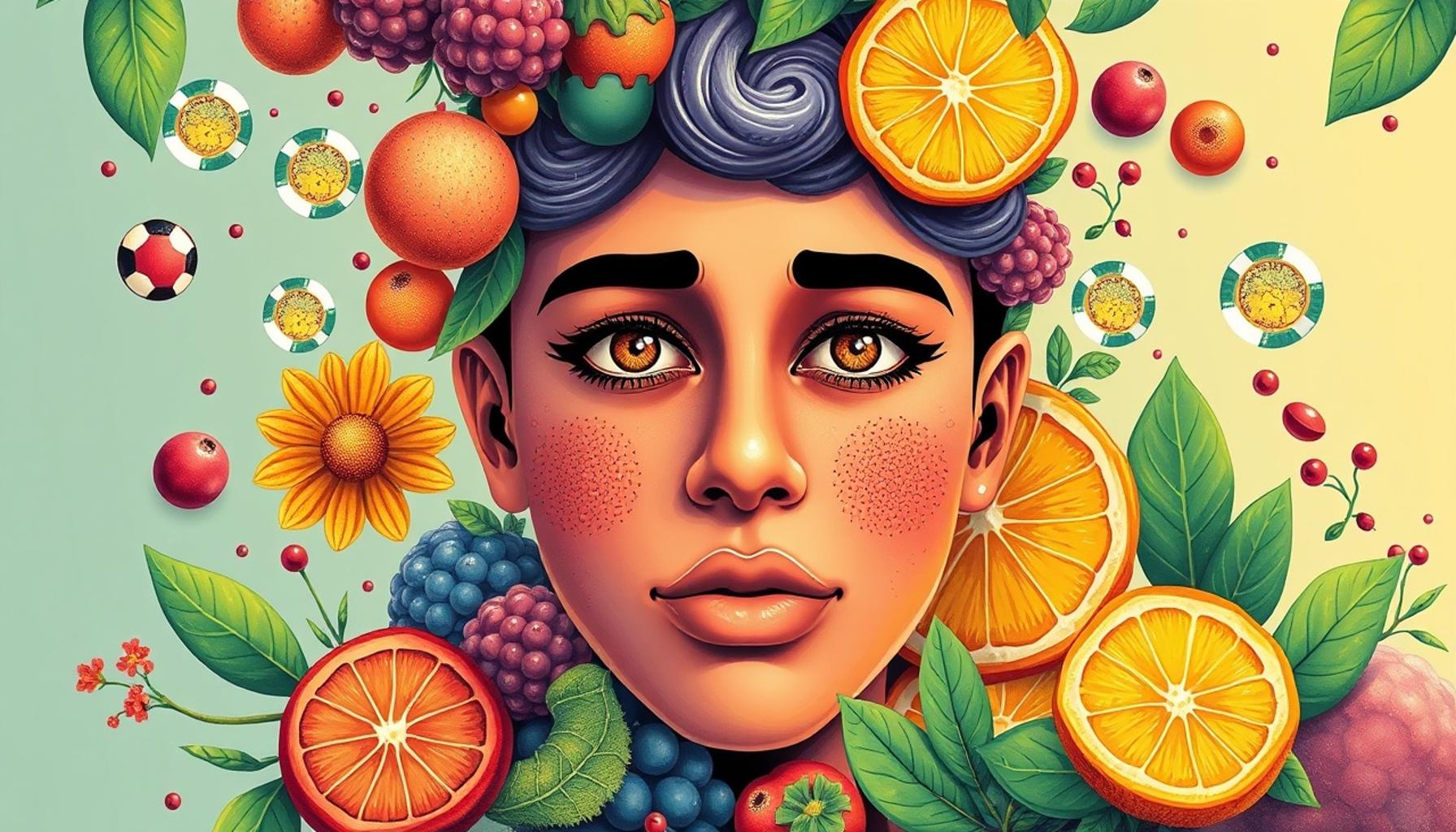
Nutrition plays a crucial role in skin health. Consuming a diet rich in antioxidants—found in fruits such as blueberries, strawberries, and avocados—helps protect skin cells from the damaging effects of free radicals. Moreover, healthy fats, particularly omega-3 fatty acids from sources like salmon and walnuts, can enhance skin barrier function and keep it hydrated. Research indicates that diets high in sugar and processed foods may accelerate skin aging, making it essential to focus on whole foods whenever possible.
The Impact of Smoking
Another significant factor contributing to premature skin aging is smoking. Numerous studies have established a direct link between tobacco use and the appearance of fine lines, wrinkles, and dull skin. The chemicals in cigarettes can damage collagen and elastin, the proteins responsible for skin’s firmness and elasticity. This means that quitting smoking not only benefits overall health but is crucial in preserving youthful skin.
Sun Exposure: A Double-Edged Sword
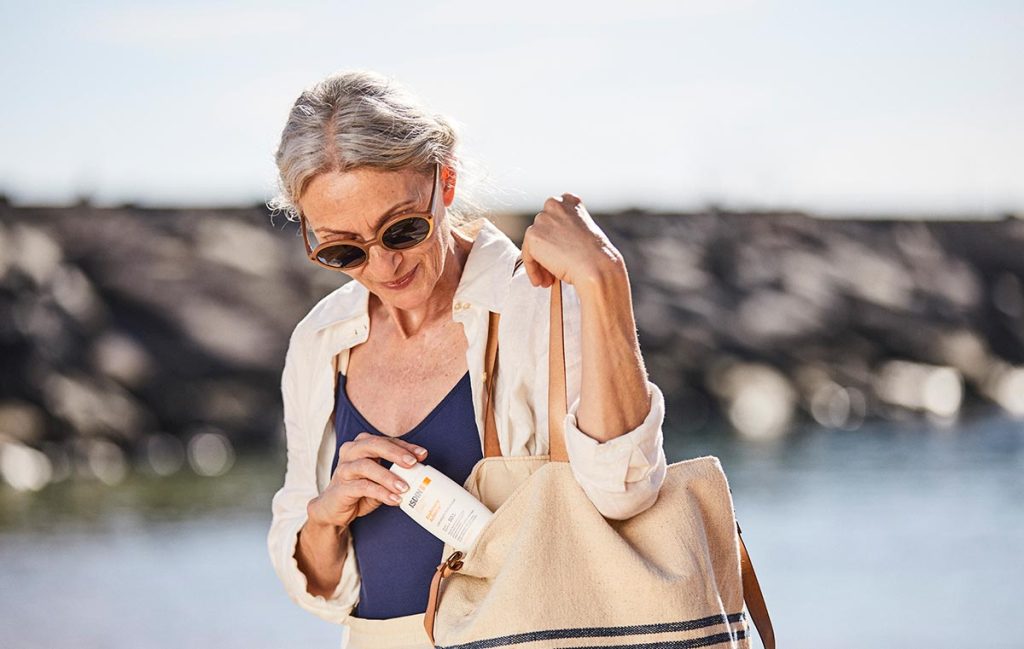
While sunlight is necessary for the body’s production of vitamin D, excessive sun exposure poses a serious threat to skin integrity. Ultraviolet (UV) rays can lead to photoaging, resulting in pigmentation, wrinkles, and an increased risk of skin cancers. Utilizing broad-spectrum sunscreen, wearing protective clothing, and seeking shade during peak sun hours are effective strategies to mitigate these effects.
Hydration and Its Benefits
Hydration is another critical element in achieving and maintaining optimal skin health. Drinking adequate water throughout the day helps maintain skin elasticity and moisture levels. Additionally, limiting caffeine and alcohol, which are known to dehydrate the body, can further support skin integrity.
Exercise as an Anti-Aging Ally
Regular exercise also contributes to a more youthful appearance. Physical activity enhances blood circulation, which nourishes skin cells and promotes the removal of toxins. This process encourages skin regeneration and contributes to that healthy glow associated with fitness enthusiasts. Notably, activities such as yoga can also reduce stress hormones while providing the dual benefits of physical fitness and improved mental well-being.
Stress Management and Sleep Quality
Stress and sleep quality are vital yet often overlooked components of skin health. Under stress, the body tends to produce higher levels of cortisol, which can result in increased oil production and subsequent skin issues, such as acne and other inflammatory conditions. Conversely, adequate and restful sleep is essential for skin repair and rejuvenation. Experts recommend establishing a calming bedtime routine to enhance sleep quality, which, in turn, allows the skin to recover effectively from daily damage.
In summary, the connections between lifestyle choices and skin aging are profound. By being mindful of our eating habits, avoiding harmful substances like tobacco, protecting our skin from sun damage, maintaining hydration, exercising regularly, managing stress, and ensuring quality sleep, we can significantly influence the speed at which our skin ages. Embracing these healthy habits not only boosts skin appearance but also enhances overall well-being, encouraging a lifestyle that celebrates health and vitality.
DISCOVER MORE: Click here to dive into the world of natural and organic cosmetics.
Understanding the Lifestyle Factors That Accelerate Skin Aging
As the adage goes, “Life is a journey,” and every choice we make along the way contributes to how we experience that journey—especially when it comes to our skin. The aging of our skin is not solely a matter of genetics; rather, it’s heavily influenced by our lifestyle choices. With a significant amount of research backing these claims, it is clear that various lifestyle habits can either speed up or slow down the skin aging process. Let’s delve into these factors and uncover how simple modifications can yield substantial benefits.
Nutrition: The Skin’s Best Friend
Diet is a cornerstone of skin health, making it essential to understand the optimal foods that promote a youthful appearance. A balanced diet should include:
- Fruits and Vegetables: Rich in vitamins A, C, and E, these are powerful allies against skin aging.
- Whole Grains: Providing essential nutrients and fiber, they support the body’s detoxification processes.
- Lean Proteins: Sources like chicken, fish, and legumes contribute to the body’s ability to repair skin tissue.
Conversely, diets high in refined sugars and unhealthy fats can disrupt the natural balance of skin health, leading to quicker signs of aging, such as sagging and wrinkles.
Alcohol Consumption: A Cautious Approach
Excessive alcohol consumption can severely impact skin health. While enjoying a drink socially might seem harmless, an overindulgence can dehydrate the skin, leading to a sallow complexion and an increase in fine lines. Alcohol is also known to exacerbate conditions like rosacea, further detracting from skin’s youthful appearance. Moderation is key, as staying adequately hydrated can counteract some of the detrimental effects.
Emotional Well-being and Skin Health
The connection between emotional health and skin appearance is gaining momentum in the wellness community. Elevated stress levels contribute to the body’s fight-or-flight response, which can lead to the release of cortisol—often dubbed the “stress hormone.” Increased cortisol can lead to more oil production in the skin, resulting in acne and other irritations. Practicing mindfulness strategies such as meditation, deep-breathing exercises, and even engaging in hobbies can help in cultivating a more balanced emotional state, ultimately conveying a healthier appearance.
Sleep: The Unsung Hero of Skin Regeneration
Quality sleep cannot be overstated in its relevance to skin aging. During sleep, the body engages in vital repair processes that promote cellular turnover and restore skin health. Experts suggest that adults aim for at least seven to nine hours of quality sleep per night. Developing a bedtime routine that encourages relaxation—like reducing screen time before bed or dimming lights—can significantly enhance sleep quality. A refreshed mind and body lead to revitalized skin, allowing it to combat the effects of aging more effectively.
In conclusion, the influence of lifestyle choices on skin aging is multi-faceted and profound. By prioritizing a wholesome diet, moderating alcohol intake, managing stress, and ensuring quality sleep, individuals can enrich their skin health and slow down the aging process. These are not merely abstract concepts but actionable steps to enhance overall well-being and achieve radiant, youthful skin.
| Lifestyle Factors | Impact on Skin Aging |
|---|---|
| Diet | A balanced diet rich in antioxidants can significantly reduce skin aging, helping to protect against sun damage and support skin regeneration. |
| Sun Exposure | Excessive sun exposure leads to photoaging, characterized by wrinkles and pigmentation. Proper UV protection is crucial for maintaining youthful skin. |
| Hydration | Adequate hydration is essential for skin elasticity. Drinking sufficient water aids moisture retention and decreases the appearance of fine lines. |
| Exercise | Regular exercise improves blood circulation, promoting nutrient delivery to skin cells, thereby enhancing overall skin health and slowing down aging. |
| Sleep Quality | Quality sleep contributes to skin repair and rejuvenation. Insufficient sleep can lead to increased stress hormones, causing skin aging to accelerate. |
Examining how different elements of lifestyle influence skin aging offers insight into proactive methods to mitigate signs of aging. Diet plays a pivotal role; foods high in vitamins C and E, for example, can shield the skin from oxidative stress, making it essential to consider food choices. Additionally, the devastating effect of sun exposure can wreak havoc on the skin’s surface—thus a robust skincare routine that includes effective sunscreen is a must. Hydration contributes to the skin’s plumpness, emphasizing why drinking enough water is fundamental. Exercising not only benefits health but also enhances blood flow to the skin, fostering a radiant appearance. Finally, one mustn’t overlook the power of quality sleep; sufficient rest allows for natural restoration and rejuvenation processes, showing that lifestyle choices are undeniably intertwined with skin aging. Understanding these connections provides a pathway for informed decisions that could lead to healthier, more youthful skin.
DIVE DEEPER: Click here to uncover more insights
Additional Lifestyle Impacts on Skin Aging
In our pursuit of youthful skin, we often overlook certain lifestyle choices that, while seemingly inconsequential, can have profound effects on the aging process. Beyond nutrition, hydration, and sleep, several other impactful factors deserve our attention.
Sun Exposure: A Double-Edged Sword
Sun exposure stands as one of the most significant external factors influencing skin aging. UV radiation can accelerate the appearance of fine lines, wrinkles, and pigmentation issues. According to the American Academy of Dermatology, approximately 90% of visible skin aging is attributed to sun damage, making the use of sunscreen crucial. A broad-spectrum sunscreen with at least SPF 30 should be a staple in everyone’s skincare routine, even on cloudy days. Additionally, wearing protective clothing and seeking shade during peak hours can greatly minimize this aging effect.
Physical Activity: The Fountain of Youth
Engaging in regular physical activity not only enhances overall health but also significantly benefits skin vitality. Exercise increases blood circulation, delivering essential nutrients and oxygen to skin cells, which can enhance the skin’s elasticity and resilience. Studies indicate that high-intensity workouts can also boost collagen production, which is vital for maintaining skin firmness. Furthermore, sweating during exercise helps rid the skin of toxins, contributing to a clearer complexion. For optimal skin benefits, aim for at least 150 minutes of moderate aerobic activity each week.
Smoking: A Major Contributing Factor
There’s no question that smoking is a leading antagonist in the quest for youthful skin. The harmful toxins in cigarettes not only deplete essential nutrients but also disrupt blood flow, resulting in a reduction in the skin’s suppleness. A study published in the journal *Dermatology* highlighted that smokers generally show earlier signs of aging than non-smokers, including deeper wrinkles around the mouth and pronounced crow’s feet. Abstaining from smoking can have immediate and long-term benefits for maintaining skin youthfulness.
Hydration: The Elixir of Life
Proper hydration plays a critical role in skin health and longevity. Drinking sufficient water not only hydrates the body but also helps the skin maintain its elasticity and suppleness. Dehydration can lead to dry skin, accelerating the aging process and making wrinkles more prominent. Experts recommend consuming around eight 8-ounce glasses of water per day, but individual needs may vary based on activity levels and climate. Incorporating water-rich foods such as cucumbers, oranges, and strawberries can further enhance hydration.
Skincare Routine: Personalization is Key
Investing in a personalized skincare routine tailored to one’s skin type is essential for combating aging. Incorporating products rich in antioxidants, hyaluronic acid, and retinol can target multiple signs of aging. Consistency is crucial; users should regularly apply serums and moisturizers for optimal results. The benefits of a dedicated skincare regimen became evident in a recent survey, which found that participants who routinely used skincare products reported visible improvements in skin texture and clarity.
By acknowledging these overlooked lifestyle factors—sun exposure, physical activity, smoking, hydration, and personalized skincare—individuals can better understand their skin’s aging process. Each element interrelates to form a comprehensive approach to maintaining youthful skin, shedding light on the importance of adopting a holistic lifestyle for skin health.
DISCOVER: Click here to uncover the truth about skin hydration
Conclusion: The Integrated Approach to Youthful Skin
As highlighted throughout this exploration, lifestyle choices significantly impact the speed of skin aging and should not be underestimated. Factors such as sun exposure, physical activity, smoking habits, hydration levels, and personalized skincare routines create a complex interplay that dictates the appearance and health of our skin over time.
Many individuals may be surprised to learn that up to 90% of visible aging is attributable to environmental factors, primarily sun damage. This underscores the importance of adopting protective measures like wearing sunscreen and seeking shade. Moreover, engaging in regular physical activity not only invigorates our bodies but also plays a pivotal role in nurturing our skin through improved blood circulation and collagen production.
On the flip side, harmful habits such as smoking can exacerbate aging, highlighting the critical need for lifestyle alterations. Additionally, hydration remains a simple yet powerful ally in promoting skin elasticity and combating dryness, which can hasten the visible signs of aging.
Ultimately, a well-rounded skincare routine tailored to one’s unique skin type can provide long-term benefits. By conscientiously opting for products rich in beneficial ingredients, individuals can enhance their skin’s resilience against aging.
To foster true skin vitality, it is essential to adopt a holistic approach that integrates these various lifestyle aspects. As we become increasingly aware of the far-reaching effects our daily choices have on our skin, we can make informed decisions to preserve our youthful appearance. The journey to youthful skin is not merely a pursuit of beauty but a commitment to overall well-being.
Related posts:
The Role of Nutrition in Skin Health: Foods that Help Delay Aging
Microneedling Techniques: How to Stimulate Collagen Production and Combat Aging
The Impact of Nutrition on Skin Health: Essential Nutrients to Combat Aging
Trends in Natural Ingredients for Anti-Aging Products
The Role of Hydration in Maintaining Skin Youthfulness
The Benefits of Antioxidants in Preventing Skin Aging

Linda Carter is a writer and beauty expert specializing in skincare routines, cosmetic ingredients, and holistic self-care practices. With extensive experience helping individuals achieve healthy, radiant skin and make informed beauty choices, Linda shares her knowledge on our platform. Her goal is to empower readers with practical advice and science-backed strategies for lasting beauty and skin health.