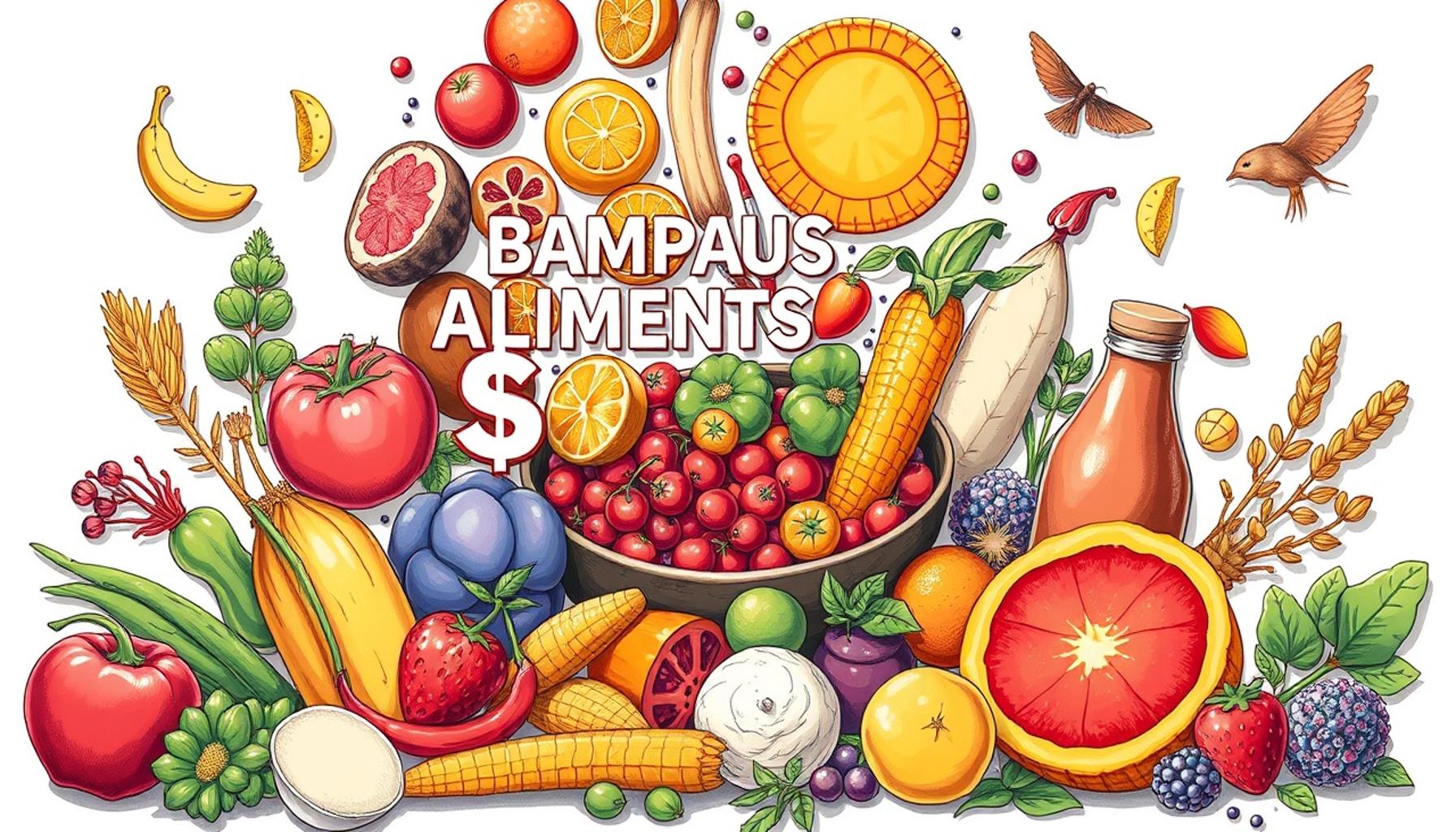
The Impacts of Nutrition on Skin Health and Aging Prevention

The Impact of Nutrition on Radiant Skin
Every day, our skin encounters a myriad of environmental stressors that can negatively affect its appearance and health. The nutrients we include in our diet play a crucial role in determining how our skin looks and ages. As the trend towards health-conscious living continues to grow, it is imperative to understand the intricate relationship between nutrition and skin health.
A variety of key nutrients are vital for maintaining vibrant and healthy skin. For instance:
- Antioxidants: These powerful compounds are abundant in vibrant fruits and vegetables, such as berries, oranges, and dark leafy greens. Antioxidants help combat oxidative stress caused by free radicals—which can lead to premature aging and skin issues. For example, vitamin C, a common antioxidant, not only brightens the skin but also promotes collagen production, essential for maintaining skin elasticity.
- Omega-3 Fatty Acids: Found in fatty fish like salmon, walnuts, and flaxseeds, omega-3s are known for their anti-inflammatory properties. They help keep skin hydrated and supple, improving the overall texture and appearance. A diet rich in omega-3s can also help alleviate conditions like acne and psoriasis by reducing inflammation.
- Vitamins A, C, and E: Each of these vitamins plays a significant role in skin repair and rejuvenation. Vitamin A promotes skin cell production, essential for a youthful look; vitamin C aids in healing and brightening; while vitamin E acts as a protector, shielding skin from UV damage.
Delving deeper into dietary patterns, the Mediterranean diet stands out as an exemplary model. Rich in healthy fats, such as those from olive oil and avocados, as well as an array of antioxidants from fruits, vegetables, and legumes, this diet has been linked to reduced signs of aging. Studies suggest that individuals adhering to this dietary pattern may experience fewer wrinkles and enhanced skin hydration.
Hydration, often overlooked, is another cornerstone of skin health. Drinking sufficient water daily can dramatically improve skin elasticity and radiance. When skin is properly hydrated, it appears plumper and healthier, with a natural glow. The recommended daily water intake varies but aiming for about 8 glasses a day can significantly benefit skin appearance.
The choices we make on our plates can either promote a youthful, vibrant look or contribute to accelerated aging. Understanding the right balance of nutrients is essential, not only for visual enhancement but also for overall well-being. Making informed dietary choices can lead to improved skin health, giving individuals the confidence that comes with a radiant complexion.

Join us as we continue to explore these fascinating connections, equipping you with the knowledge to potentially transform your skin health through mindful nutrition.
LEARN MORE: Click here to delve into the world of adaptogens
Essential Nutrients for Skin Vitality
Understanding the critical nutrients that contribute to skin health is the first step in nurturing your complexion. Not just a façade, our skin reflects our inner health, and what we consume significantly influences its condition. Here, we explore several pivotal nutrients that are integral to promoting a youthful appearance and preventing signs of aging.
The Role of Hydration
Hydration is fundamental to maintaining skin elasticity and softness. The skin is comprised of approximately 64% water, and insufficient hydration can lead to dryness, flakiness, and a dull complexion. Contrary to popular belief, it is not solely about drinking water; hydrating foods like cucumber, watermelon, and oranges can boost moisture levels as well. Incorporating these foods into your diet can be an enjoyable way to keep skin radiant.
Powerful Proteins for Building Blocks
Alongside hydration, protein is absolutely essential for skin structure and repair. Collagen and elastin, two crucial proteins, provide support and elasticity, helping the skin maintain its firmness and bounce. Foods rich in protein, such as chicken, fish, beans, and nuts, contribute to the building blocks necessary for collagen synthesis. Consumption of bone broth, specifically, has gained attention for its high collagen content, which may help in enhancing skin elasticity and minimizing wrinkles.
The Impact of Healthy Fats
Healthy fats, particularly those rich in omega-3 fatty acids, contribute to skin barrier function. These fats protect the skin from environmental aggressors by maintaining its lipid barrier. They help keep the skin hydrated and can diminish the risk of inflammatory skin conditions. Apart from fatty fish, these healthy fats can be found in flaxseeds, chia seeds, and impeding pollution exposure. Including sources of healthy fats in your diet is not just beneficial for your heart but also serves as a fundamental ally in your skincare regimen.
Vitamin-Rich Foods: Nature’s Gift
In addition to proteins and healthy fats, a diet rich in vitamins plays a vital role in skin health. The myriad benefits of vitamins include:
- Vitamin A: Essential for skin cell turnover and repair, found in sweet potatoes, carrots, and spinach.
- Vitamin C: A powerful antioxidant that aids in collagen production and helps combat visible signs of aging, abundant in citrus fruits and bell peppers.
- Vitamin E: This nutrient protects skin cells from oxidative stress and UV damage, sourced from nuts and green leafy vegetables.
A balanced intake of these vitamins can vastly improve skin radiance and resilience.
Recognizing the importance of nutrition in maintaining skin health opens the door to long-term benefits. By making conscious decisions about what we eat, we can cultivate a complexion that not only looks great but is also healthy from within. The ongoing investigation into the specific impact of these nutrients on skin health further underscores the vital role nutrition plays in aging prevention.
| Nutrient Type | Impact on Skin Health |
|---|---|
| Antioxidants | Helps in combating free radicals, reducing oxidative stress, and minimizing skin aging signs like wrinkles and fine lines. |
| Vitamins (C and E) | Promotes collagen production and maintains skin elasticity, enhancing the skin’s appearance and longevity. |
| Healthy Fats | Supports skin barrier function and hydration, leading to a radiant and youthful complexion. |
| Hydration | Essential for maintaining skin moisture, preventing dryness, and enhancing overall skin texture. |
| Minerals (Zinc) | Plays a vital role in skin repair and regeneration, crucial for maintaining healthy skin and preventing aging effects. |
The relationship between nutrition and skin health extends far beyond basic dietary choices. Incorporating a variety of nutrient-rich foods is not just about enhancing your appearance but also plays a critical role in preventing signs of aging. Antioxidants like vitamins C and E are vital for fighting oxidative stress, a primary contributor to premature aging. Similarly, healthy fats found in avocados and nuts contribute significantly to your skin’s barrier function, effectively locking in moisture and promoting a youthful glow.Furthermore, hydration is a key element in achieving supple, plump skin. Drinking adequate water and including water-rich foods in your diet help maintain skin moisture levels and enhance overall texture. Zinc, a mineral that is often overlooked, is essential for skin repair and regeneration, providing the foundational support needed for a robust and healthy appearance. Adopting a holistic approach to nutrition can unlock the secrets to long-lasting skin vitality and a youthful demeanor, encouraging readers to dive deeper into optimizing their dietary habits for improved skin health.
DISCOVER MORE: Click here to learn how to build an effective skincare regimen
The Role of Antioxidants in Skin Protection
Antioxidants are integral to combatting oxidative stress, a key factor in skin aging. Oxidative stress occurs when there is an imbalance between free radicals and antioxidants in the body, leading to cellular damage. Regularly incorporating foods high in antioxidants into your diet not only enhances overall health but also fortifies skin defenses. Fruits like blueberries, strawberries, and pomegranates significantly contribute to neutralizing free radicals due to their high polyphenol content. Eating a colorful variety of fruits and vegetables ensures a broad spectrum of antioxidants, which act as a protective shield for skin cells.
Polyphenols: A Treasure Trove for Skin Care
Among the potent antioxidants are polyphenols, which are found in a multitude of plant-based foods. These compounds have been linked to improved skin elasticity and moisture retention, combating the appearance of fine lines and wrinkles. Green tea, for instance, contains epigallocatechin gallate (EGCG), known for its anti-inflammatory properties and ability to mitigate UV damage. Incorporating beverages such as green tea into your daily routine can serve as a delicious method for bolstering skin health through nutrition.
Minerals: The Unsung Heroes of Skin Health
Minerals like zinc and selenium also play crucial roles in maintaining youthful skin. Zinc, essential for collagen synthesis, helps to repair damaged cells and has been shown to reduce inflammation. Foods rich in zinc, such as oysters, chickpeas, and pumpkin seeds, can promote a clearer complexion by facilitating the healing process of skin blemishes. Similarly, selenium acts as a powerful antioxidant, shielding skin from sun damage and may help in reducing the incidence of skin cancer. Sources rich in selenium include Brazil nuts, fish, and whole grains. A diet that prioritizes these minerals can undoubtedly contribute to a radiant skin appearance.
The Importance of a Balanced Diet
To truly harness the benefits of nutrition on skin health, it is crucial to adopt a balanced diet that comprises a myriad of food groups. The Mediterranean diet, which emphasizes whole grains, lean proteins, healthy fats, and an abundance of fruits and vegetables, has been shown in numerous studies to promote skin health and slow down the aging process. By focusing on nutrient-dense foods that encompass an array of essential nutrients, we create an internal environment conducive to skin vitality.
Moreover, dietary factors such as sugars and processed foods should be moderated. High sugar intake has been linked to increased glycation, a process that damages collagen and elastin fibers, leading to premature skin aging. Reducing such foods, in favor of whole, minimally processed options will further support a youthful glow and boost overall skin resilience against environmental stressors.
In summary, skin health is deeply influenced by nutrition. An array of nutrients, including antioxidants, proteins, vitamins, minerals, and healthy fats, working in concert can contribute to a more youthful appearance and act as a barrier against the signs of aging. Understanding these connections and making informed dietary choices position you on a path to not only looking great but feeling great from within.
DIVE DEEPER: Click here to discover the evolution of moisturizing products
Conclusion: Nourishing Your Skin from Within
In the quest for youthful, vibrant skin, the importance of nutrition cannot be overstated. As we have explored, a diet rich in antioxidants, polyphenols, and essential minerals like zinc and selenium plays a pivotal role in defending against oxidative stress and the signs of aging. The beneficial effects of these nutrients are not just skin-deep; they encompass overall wellness, enhancing not only appearance but also self-confidence and vitality.
Moreover, adopting a balanced diet that includes a variety of whole foods, particularly those found in the Mediterranean diet, lays the foundation for lasting skin health. It equips the body with the necessary tools to combat unfavorable factors like inflammation and sun damage. As you consider your dietary choices, remember the tale of the tiny green tea leaf or the luscious blueberry—both packed with protective compounds that can make a substantial difference in skin resilience.
Hydration, while not explicitly covered in detail, complements these dietary choices by ensuring that skin retains its plumpness and moisture balance. It’s essential to drink water alongside nutrient-dense foods. As food is absorbed into our bodies, it becomes evident that nutrition directly influences not just our skin’s appearance but its overall health and longevity.
To embrace the journey towards healthy aging, it’s crucial to empower yourself with knowledge about nutrition. With every meal, you have the opportunity to nourish your skin from within. Delve deeper into the world of nutrients, experiment with diverse foods, and watch your skin flourish. In this ever-evolving exploration of nutrition and skincare, the answers lie hidden within the foods you choose to nourish your body—let them guide you towards a more youthful, resilient complexion.
Related posts:
The Role of Hydration in Maintaining Skin Youthfulness
Discovering the Potential of Peptides in Anti-Aging Products
The Role of Sun Protection in Preventing Premature Skin Aging
The Importance of Sun Protection in the Fight Against Signs of Aging
The Influence of Lifestyle on Skin Aging Speed
The Impact of Nutrition on Skin Health: Essential Nutrients to Combat Aging

Linda Carter is a writer and beauty expert specializing in skincare routines, cosmetic ingredients, and holistic self-care practices. With extensive experience helping individuals achieve healthy, radiant skin and make informed beauty choices, Linda shares her knowledge on our platform. Her goal is to empower readers with practical advice and science-backed strategies for lasting beauty and skin health.