Techniques for Building Resilience to Foster a Growth Mindset in Educational Settings

Building Resilience in Education
In today’s rapidly changing world, the ability to adapt and grow is more essential than ever. Resilience plays a critical role in this adaptability. It not only helps students tackle challenges but also promotes a growth mindset—the belief that abilities can be developed through dedication and hard work. This transformative approach allows learners to see their potential as a journey rather than a destination, encouraging them to explore their limits.
Educational settings are prime environments for instilling resilience. By implementing effective techniques, educators can help students develop the skills they need to thrive in academic pursuits and in life beyond school. Here are some critical strategies for building resilience:
- Encouraging Self-Reflection: Implement regular reflection sessions where students can assess their strengths and weaknesses. For example, journals or digital portfolios can serve as tools for students to document their thoughts, fostering a deeper understanding of their personal development.
- Setting Realistic Goals: Help students create specific, achievable objectives. This process can be enriched by using the SMART criteria—Specific, Measurable, Achievable, Relevant, and Time-bound. Setting attainable goals not only builds confidence but also teaches perseverance in the face of difficulty.
- Fostering a Supportive Community: Create a culture where students can express themselves without fear of judgment. Group activities, team projects, and peer mentoring can encourage cooperation and emotional support, further enhancing their social networks, which are vital for resilience.
- Teaching Problem-Solving Skills: Equip students with tools to navigate challenges and setbacks effectively. Introduce scenarios or case studies where students can practice critical thinking and develop strategic approaches to resolve real-life problems. This hands-on experience prepares them to face future obstacles with confidence.
- Promoting a Positive Mindset: Inspire students to view failures as opportunities for growth. Celebrating not just successes but also the lessons learned from mistakes encourages an attitude of resilience. Schools might create initiatives such as “Failure Celebration Days,” where students can share their experiences and the benefits derived from their failures.
Incorporating these techniques in classrooms can lead to remarkable transformations. As educators adopt these strategies, students not only learn academic content but also develop essential life skills. Resilience is not just a trait but a skill set that can be cultivated in various educational environments. This holistic approach can empower learners to embrace challenges and pursue lifelong growth, ultimately preparing them for an unpredictable world beyond the classroom.
As educational institutions across the United States increasingly recognize the importance of resilience, they are integrating these practices into curricula. For example, schools in states like California and New York are pioneering programs aimed at emotional intelligence and mental health, demonstrating a nationwide trend toward prioritizing emotional well-being in the educational framework. The conversation surrounding resilience in education is not just trending; it is reshaping how future generations of students view themselves and their capabilities.
DIVE DEEPER: Click here to discover more
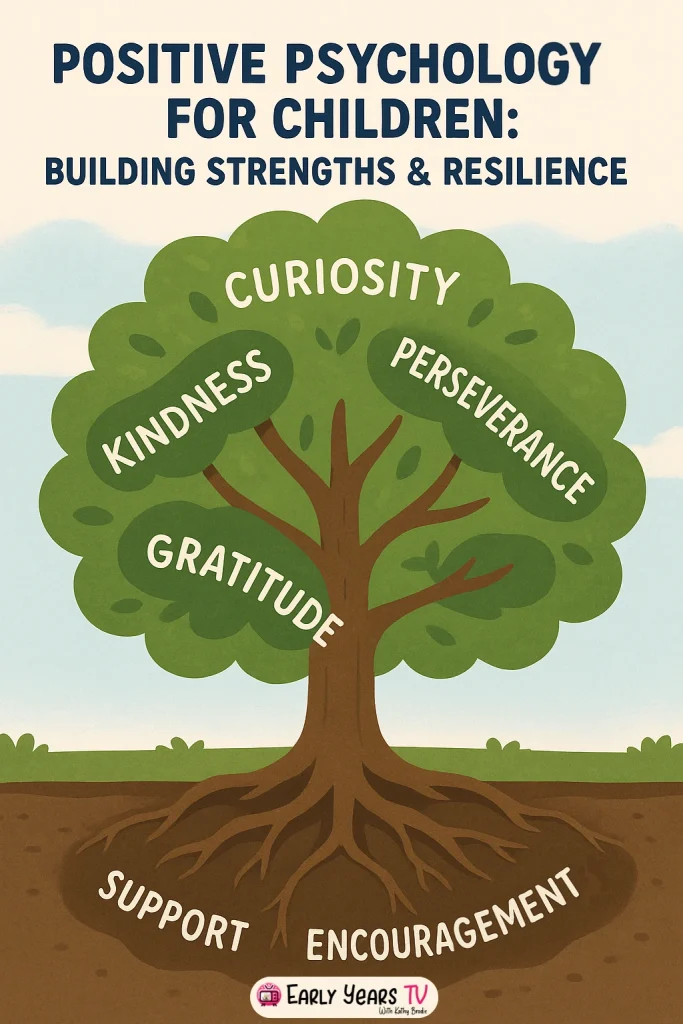
Techniques for Building Resilience in the Classroom
Building resilience in educational settings is not solely about overcoming challenges; it’s about cultivating a mindset that fuels determination and growth. The growth mindset empowers students to embrace difficulties, enabling them to see failures as stepping stones rather than setbacks. By adopting a multi-faceted approach, educators can effectively integrate resilience-building techniques into their classrooms to foster this crucial mindset.
One of the foundational techniques to build resilience is through encouraging self-reflection. Self-reflection allows students to evaluate their learning journeys, recognizing both their strengths and areas for improvement. For instance, by maintaining journals or digital portfolios, students can document their approaches to challenges and reflect on how their responses align with their goals. This process not only enhances self-awareness but also promotes accountability, inviting students to take charge of their own learning experiences.
Setting realistic goals is another powerful strategy in the resilience toolbox. Assisting students in developing SMART (Specific, Measurable, Achievable, Relevant, Time-bound) goals can empower them to achieve their objectives systematically. For example, a student may aim to improve their math scores from a C to a B over a semester by creating a structured plan that includes tutoring sessions and weekly practice tests. Such tangible goals help learners build confidence and reinforce their ability to persevere when challenges arise.
A supportive community is equally important in the cultivation of resilience. Classroom environments that promote emotional safety encourage students to express themselves openly without fear of negative consequences. This can be achieved through group activities, team projects, and peer mentoring programs that foster collaboration. Research indicates that students who engage in supportive peer networks are more likely to cope effectively with stress and academic pressure, thus enhancing their resilience.
Developing Problem-Solving Skills
Another essential technique is teaching problem-solving skills. When educators provide students with challenging scenarios or case studies, they cultivate critical thinking and innovation. This practice not only empowers students to approach obstacles strategically but also prepares them for real-world challenges. By working through these situations, students learn that setbacks are a natural part of the learning process, and equipping them with strategies to address problems fosters a proactive attitude toward challenges.
Lastly, promoting a positive mindset can reshape students’ perceptions of failure. Initiatives such as “Failure Celebration Days” can transform the narrative around mistakes, encouraging students to share their mishaps and the subsequent lessons learned. Such an environment cultivates resilience by helping students understand that learning and growth often come from trial and error.
The integration of these resilience-building techniques into educational practices not only enriches academic achievement but also prepares students for the uncertainties that lie beyond school walls. Institutions nationwide are beginning to take notice, showing a renewed commitment to holistic education that prioritizes both learning competencies and emotional intelligence.
Techniques for Building Resilience to Foster a Growth Mindset in Educational Settings
Building resilience is crucial for fostering a growth mindset in educational settings. Educators can implement various techniques that not only enhance students’ capabilities but also encourage them to embrace challenges. One effective method is the incorporation of goal-setting exercises. By guiding students to set achievable, yet challenging, goals, educators instill a sense of purpose and direction. This technique motivates students to work persistently, thereby enhancing their resilience through overcoming obstacles.
Another valuable technique is the integration of reflective practices into the curriculum. Providing students time to reflect on their learning experiences encourages them to analyze their successes and areas for improvement. This reflection can foster a better understanding of their learning processes and the notion that effort and persistence lead to achievement, thus reinforcing the growth mindset.
Additionally, fostering a supportive classroom environment is key. When educators create a space where students feel safe to take risks and make mistakes, they are more likely to engage and try new approaches. Peer support programs can also play a vital role. Encouraging collaboration and teamwork helps students share their struggles and successes, providing them with a network of encouragement that bolsters their resilience.
Ultimately, integrating these techniques into educational settings equips students with the tools they need to navigate challenges effectively and cultivate a robust growth mindset that will benefit them throughout their lives.
| Technique | Benefits |
|---|---|
| Goal-Setting Exercises | Promotes student motivation and persistence. |
| Reflective Practices | Enhances students’ understanding of their learning process. |
| Supportive Classroom Environment | Encourages risk-taking and resilience through peer support. |
Each of these techniques contributes to a more resilient student body, capable of facing academic challenges with a positive outlook and determination to grow. By focusing on these strategies, educators can create a transformative experience that prepares students not just for exams, but for lifelong learning and adaptation.
DIVE DEEPER: Click here to unlock more insights
Innovative Strategies to Enhance Resilience in Learners
As educators recognize the significance of resilience in fostering a growth mindset, innovative strategies are emerging to enhance this critical skill among students. One effective approach involves integrating mindfulness practices into the daily routine. Mindfulness, which encompasses techniques such as meditation and breath control, enables students to develop emotional regulation and concentration. Research has shown that regular mindfulness exercises can improve academic performance while reducing anxiety and stress levels. Schools across the United States, such as those adopting the Mindful Schools curriculum, report notable improvements in student behavior and resilience, demonstrating the value of these practices.
Another promising technique for nurturing resilience is utilizing storytelling as a pedagogical tool. By framing lessons around personal narratives of overcoming adversity, educators can inspire students and instill a belief in their capacity to thrive despite difficulties. Storytelling not only holds emotional weight but also builds connections among students, as they can relate to shared challenges. Schools can host storytelling events or integrate literature that focuses on themes of resilience, ensuring that students feel empowered by the lessons learned from various characters’ journeys.
Incorporating Social-Emotional Learning (SEL)
Furthermore, embracing social-emotional learning (SEL) programs is vital in building resilience. These programs equip students with the skills to manage emotions, set positive goals, and establish healthy relationships. SEL initiatives have gained traction in American schools and have been linked to reduced behavioral issues and enhanced academic outcomes. Studies indicate that students who partake in SEL programs demonstrate greater emotional intelligence, allowing them to navigate challenges with a constructive mindset. For instance, the Collaborative for Academic, Social, and Emotional Learning (CASEL) emphasizes the importance of creating environments where students can practice skills such as empathy and collaboration, which are essential for resilient behavior.
Real-world applications of learning can also significantly bolster resilience. When students engage in community service projects, they not only contribute to the greater good but also gain a sense of purpose and accomplishment. Projects that require teamwork and problem-solving instill practical life skills, reinforcing the message that perseverance is key. Educational institutions like High School for Arts and Technology in New York City have successfully incorporated service projects into their curriculum, allowing students to confront real-world issues while fostering a growth mindset.
Emphasizing Constructive Feedback
Additionally, the role of constructive feedback cannot be overstated. Traditional assessment methods often focus on grades, which can inadvertently discourage students from taking risks. Shifting the focus to feedback that emphasizes effort, creativity, and risk-taking encourages learners to view their academic journey through a lens of growth. Educators can adopt practices such as growth-focused assessments and rubrics that prioritize skill development over performance, prompting students to embrace challenges and view setbacks as learning opportunities.
Incorporating these innovative strategies into education not only builds resilience but also nurtures an environment where a growth mindset can flourish. As schools invest in these transformative techniques, they pave the way for future generations equipped with the skills necessary to navigate the complexities of life beyond the classroom, fostering a culture of adaptability and continuous learning in our educational systems. This movement reflects a broader recognition that resilience and mindset are critical components of a well-rounded educational experience.
DIVE DEEPER: Click here to discover how to boost a growth mindset
Conclusion
In conclusion, the intricate relationship between resilience and a growth mindset is essential for developing well-rounded learners equipped to face the challenges of an increasingly complex world. By implementing innovative techniques such as mindfulness practices, storytelling, and social-emotional learning (SEL) programs, educators can cultivate an environment that promotes resilience, encouraging students to embrace challenges rather than shy away from them. Emphasizing real-world applications through community service further reinforces these lessons, allowing students to experience the power of perseverance in a tangible way.
The shift in assessment practices to include constructive feedback is equally crucial, fostering a culture where effort and creativity are valued over mere academic performance. This holistic approach not only enhances emotional intelligence but also empowers students to view setbacks as opportunities for growth. As schools across the United States adopt and adapt these strategies, they not only prepare learners for academic success but also instill vital life skills that will serve them long after they leave the classroom.
Ultimately, equipping students with resilience not only lays the groundwork for individual achievement but also contributes to a more adaptable and innovative society. As educators continue to explore and implement these transformative techniques, it is clear that nurturing resilience is a powerful investment in the future, one that will enable generations to come to navigate life’s complexities with confidence and optimism. Exploring further into these methodologies can yield valuable insights, ensuring that our educational frameworks evolve to meet the needs of all students.

Linda Carter is a writer and growth mindset specialist with expertise in cognitive development and resilience training. With extensive experience helping individuals transform limiting beliefs and unlock their potential, she shares practical mindset strategies on our platform. Her goal is to empower readers with science-backed techniques to cultivate adaptability, embrace challenges, and achieve continuous personal and professional growth.