
The Role of Sun Protection in Preventing Premature Skin Aging

Understanding the Effects of Sun Exposure
Every day, individuals unknowingly expose their skin to sunlight, with potentially significant long-term consequences. The sun emits harmful ultraviolet (UV) rays that can accelerate skin aging at an alarming rate. Protecting your skin against these rays is not merely a seasonal practice; it is essential for preserving youthful skin as you age.
Why Sun Protection Matters
Premature skin aging manifests in various noticeable ways, all of which can be traced back to UV exposure. Understanding these manifestations is crucial for motivating individuals to prioritize sun protection:
- Wrinkles – According to dermatologists, unprotected sun exposure can lead to the early development of fine lines and deep wrinkles. Over time, the collagen and elastin fibers in the skin begin to break down, resulting in less resilient skin.
- Hyperpigmentation – Many people experience sunspots, also known as liver spots, as a direct consequence of cumulative UV damage. These darkened areas can develop over time, leading to uneven skin tones that require additional treatment.
- Loss of Elasticity – The degradation of collagen not only contributes to wrinkles but also leads to sagging skin and a decrease in overall firmness. Skin that has lost its elasticity can appear dull and less vibrant, detracting from one’s overall appearance.
In the United States, the significance of sun protection is bolstered by compelling statistics: it is estimated that over 90% of visible signs associated with aging result from sun exposure. Despite this, many people still underestimate the risks, often taking unnecessary chances with their skin health.
Effective Sun Protection Strategies
Fortunately, utilizing sun protection does not have to be a daunting task. Here are some straightforward yet effective strategies to safeguard your skin:
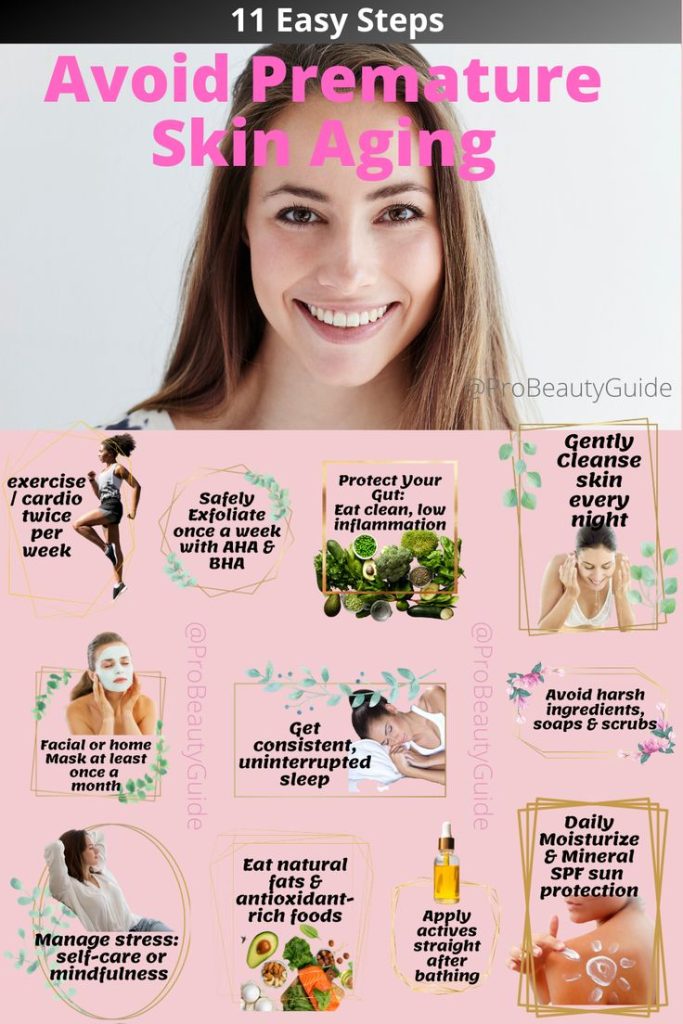
- Use broad-spectrum sunscreen with an SPF of 30 or higher every day, even on cloudy days. UV rays can penetrate through clouds, making daily application crucial.
- Wear protective clothing and accessories, such as wide-brimmed hats and UV-protective sunglasses. Fabrics labeled with a UPF (Ultraviolet Protection Factor) can provide additional shelter from harmful rays.
- Seek shade during peak sun hours, typically between 10 a.m. and 4 p.m. If possible, plan outdoor activities for early morning or late afternoon when the sun’s rays are less intense.
By understanding the essential role of sun protection, you can take actionable steps toward preventing premature skin aging. Creating these habits can lead to healthier, more resilient skin, enhancing not only your appearance but also your overall skin health. Embracing these practices today will benefit you significantly in the years to come, promoting a lasting youthfulness that stands the test of time.
DISCOVER MORE: Click here to learn about the impact of skin hydration on aging
Understanding the Importance of UV Defense
While the sun is essential for life, providing warmth and enabling vital processes like vitamin D synthesis, its glaring rays pose a dual threat to our skin. The harmful effects of ultraviolet (UV) radiation extend far beyond temporary sunburns, embedding themselves in the fabric of our skin’s future. Without adequate sun protection, we unknowingly invite premature skin aging into our lives, altering our skin’s appearance and texture over time.
Deepening the Impact of UV Radiation
The skin, our body’s largest organ, bears the brunt of sun exposure, particularly the ultraviolet A (UVA) and ultraviolet B (UVB) rays. UVA rays penetrate deep into the dermis, leading to the gradual breakdown of collagen and elastin fibers, which are crucial for maintaining skin structure. On the other hand, UVB rays primarily affect the outer layer and are responsible for causing sunburns, revealing their damaging nature over short periods. The cumulative effect of both UVA and UVB exposure results in what dermatologists describe as photoaging — a condition characterized by pigmentation changes, texture roughness, and marked wrinkles.
Recognizing the Signs of Photoaging
Understanding the telltale signs of UV-induced skin aging can help spur individuals to take protective measures. Here’s what to watch for and understand further:
- Thinning Skin – UV exposure can lead to a decrease in skin thickness over time, making wrinkles more pronounced and the skin appear fragile.
- Age Spots – Often labeled as sunspots or liver spots, these occurrences signal discoloration and are direct reminders of past sun exposure.
- Broken Capillaries – Small, noticeable blood vessels can emerge due to damaged skin from UV rays, impacting overall skin tone and texture.
- Loss of Radiance – Skin that has undergone significant sun exposure may lose its natural glow, turning dull due to cellular damage.
- Uneven Texture – The skin may develop a rough texture, resulting from the uneven distribution of damage done by UV rays.
Statistics underscore the critical need for sun protection: approximately 90% of skin aging signs are attributed to sun exposure. In a culture that values youthful appearances, this fact highlights the urgency of adopting consistent sun safety practices throughout the year, not just during summer months.
The Link Between Skin Health and Sun Protection
By implementing a robust sun protection strategy, individuals can aid their skin in maintaining a youthful appearance well into their later years. Harnessing reliable practices, such as diligent use of high-SPF sunscreen and protective clothing, forms an essential bulwark against the aggressiveness of UV rays. As you delve into the specifics of sun protection mechanisms, remember: taking action today will yield the most significant benefits for your skin’s future health and vitality.
| Advantages of Sun Protection | Impact on Skin Health |
|---|---|
| Reduced Risk of Wrinkles | Shielding the skin from harmful UV rays minimizes the breakdown of collagen, significantly delaying the formation of wrinkles. |
| Protection Against Hyperpigmentation | Regular use of sunscreen helps prevent age spots and uneven skin tone, preserving a youthful appearance. |
| Enhanced Skin Texture | By protecting against sun damage, skin retains its natural smoothness and softness, making it look healthier overall. |
| Lower Risk of Skin Cancer | Protective measures reduce the likelihood of developing various skin cancers, including melanoma, reinforcing the importance of proactive skin care. |
Continually raising awareness about sun protection is crucial, particularly considering its extensive benefits beyond just aesthetics. The use of broad-spectrum sunscreens, wearing protective clothing, and seeking shade can be life-changing practices. One study shows that consistently applying SPF 30 or higher can reduce skin aging signs by up to 24%. Moreover, it’s important to note that while daily sunscreen use can help maintain an even skin tone, it’s equally vital to address other factors like hydration and nutrition for optimal skin health. As we delve deeper into the role of sun protection, it becomes clear that safeguarding our skin today is an investment in its future vitality.
DISCOVER MORE: Click here to learn about the benefits of fermented ingredients in skincare
The Necessity of a Comprehensive Sun Protection Regimen
As we delve further into the significance of sun protection for skin health, it becomes clear that a proactive approach is vital to combat the relentless effects of UV radiation. Incorporating a multifaceted strategy can significantly mitigate the risk of photoaging, ensuring that your skin remains supple and vibrant for years to come. This comprehensive approach involves not just sunscreen application, but a combination of preventive measures tailored to individual lifestyles and skin types.
Choosing the Right Sunscreen
When selecting a sunscreen, there are essential factors to consider for optimal protection. Look for broad-spectrum products that shield against both UVA and UVB rays, which is crucial in guarding against different types of skin damage. Additionally, choose a sunscreen with a minimum SPF of 30, which blocks approximately 97% of UVB rays. However, higher SPF options can provide additional protection for those with particularly sensitive skin or those who spend extended periods outdoors.
Furthermore, the formulation of the sunscreen matters. Options such as mineral sunscreens, which contain ingredients like zinc oxide or titanium dioxide, offer a physical barrier against UV rays and are often better tolerated by sensitive skin. For those with active lifestyles or who enjoy water activities, waterproof sunscreens can offer longer-lasting protection in moisture-prone environments. It’s also advisable to check the expiration date — expired sunscreen may not provide adequate protection.
Coordinating Additional Protective Measures
- Clothing – Wearing protective clothing can be a game changer. Consider fabrics with a UPF (Ultraviolet Protection Factor) rating, which can enhance your defenses against harmful rays.
- Hats and Sunglasses – Broad-brimmed hats and UV-blocking sunglasses not only keep you stylish but also shield sensitive areas and prevent related damage around the eyes, where skin is particularly thin and delicate.
- Timing Your Sun Exposure – Pay attention to the UV index, which measures the strength of UV radiation on a given day. Try to limit outdoor activities during peak sun hours, typically between 10 AM and 4 PM, when UV radiation is most intense.
When these protective measures are employed alongside regular sunscreen use, they can greatly reduce the risk of developing the visible signs of aging associated with sun exposure. Remember that sunlight can penetrate through clouds, making it imperative to maintain protective habits throughout the year.
The Role of Nutrition in Skin Protection
Interestingly, our diet also plays a vital role in skin health and its ability to withstand the effects of sun exposure. Consuming a diet rich in antioxidants, such as those found in fruits, vegetables, and nuts, can bolster the skin’s defensive responses to UV damage. Vitamins C and E, in particular, have been shown to protect skin cells from oxidative stress and may reduce the risk of developing age spots and fine lines.
Additionally, incorporating omega-3 fatty acids, found in fish and seeds, promotes skin barrier function, helping to maintain hydration and elasticity. Keeping the skin well-hydrated would support skin cell renewal and repair, further mitigating the premature aging caused by excessive sun exposure.
In a world where individualistic beauty standards are prevalent, understanding the realities of sun exposure and its consequences on skin aging becomes crucial. By actively engaging in sun protection strategies and adopting a holistic view that includes dietary considerations, anyone can contribute to preserving their skin’s health in the long run.
DISCOVER MORE: Click here for insights on makeup and skin health
Conclusion: A Commitment to Lasting Skin Health
In conclusion, the necessity of sun protection in preventing premature skin aging cannot be overstated. The cumulative effects of UV radiation manifest through visible signs such as wrinkles, age spots, and uneven skin tone, making proactive strategies essential for maintaining youthful skin. By embracing a comprehensive sun protection regimen that includes the diligent use of broad-spectrum sunscreen, protective clothing, and mindful sun exposure, individuals can significantly reduce their risk of photoaging.
Moreover, integrating nutritional strategies into this regimen fortifies skin defenses, amplifying the protective benefits against UV damage. A diet rich in antioxidants and essential fatty acids not only enhances skin resilience but complements the efforts made through topical applications. Such an approach highlights the intricate relationship between what we consume and how our skin responds to external stressors.
Ultimately, investing time and effort into developing sun protection habits is not merely an aesthetic choice; it is a crucial step in preserving skin health for decades to come. As the sun casts its rays, understanding their impact becomes vital to protecting against premature aging. The journey towards radiant skin is a continuous one, where every decision matters. Stay informed, stay protected, and enjoy the confidence that comes with ageless beauty.
Related posts:
The Importance of Hydration and Natural Ingredients in Anti-Aging Products
The Role of Nutrition in Skin Health: Foods that Help Delay Aging
Discovering the Potential of Peptides in Anti-Aging Products
The Impact of Nutrition on Skin Health: Essential Nutrients to Combat Aging
How Stress Affects the Skin and Relaxation Strategies for Healthier Aging
Anti-Aging Skincare Routines: How to Create an Effective Protocol at Different Ages

Linda Carter is a writer and beauty expert specializing in skincare routines, cosmetic ingredients, and holistic self-care practices. With extensive experience helping individuals achieve healthy, radiant skin and make informed beauty choices, Linda shares her knowledge on our platform. Her goal is to empower readers with practical advice and science-backed strategies for lasting beauty and skin health.